BYD’s Humanoid Robot Design Patent Leaked for the First Time
NVIDIA Reportedly to Invest Another $1 Billion in Figure AI
Rino.ai Closes $100 Million Series C Funding
Partnering with Uber: Pony.ai Robotaxi to Land in London Soon
RoboSense Q3 LiDAR Sales Exceed 590,000 Units
162 Flying Sorting Robots! LOGIANT Secures Major North American Logistics Deal
LDROBOT to Acquire German Garden Tool Veteran for Tens of Millions
BYD's Humanoid Robot Design Patent Leaked for the First Time
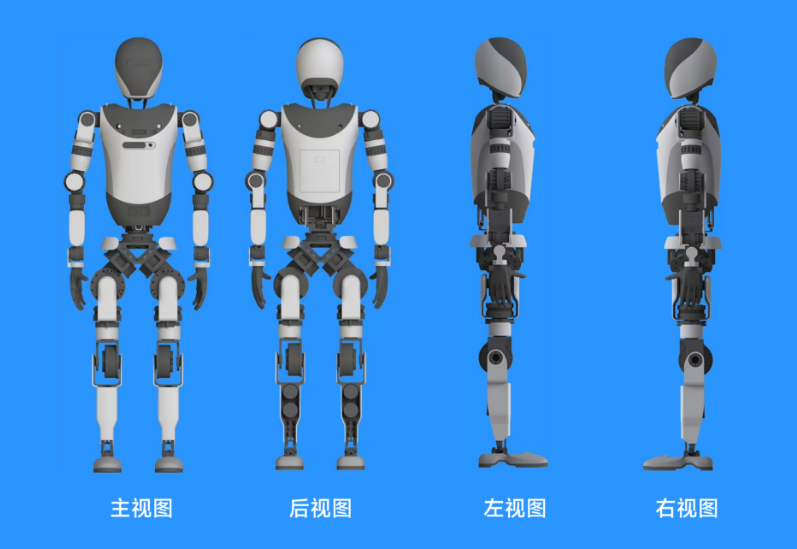
On October 9, the China National Intellectual Property Administration (CNIPA) published a design patent for an embodied AI robot held by BYD. The patent images showcased the humanoid robot’s appearance for the first time.
As of now, BYD has not officially released this product. According to the patent images, the robot features a bipedal humanoid design with dual arms, legs, and articulated fingers. The head is oval-shaped with a dark front panel, while the torso and limbs are covered in a light-colored shell. Distinct joint structures are visible at the shoulders, elbows, hips, and knees, with some exposed mechanical components in the waist and legs, giving it proportions close to a human. It is important to note that this patent primarily covers the robot’s exterior design and does not prove its actual performance, mass production progress, nor does it mean the final commercial product will adopt the exact same design.
NVIDIA Reportedly to Invest Another $1 Billion in Figure AI
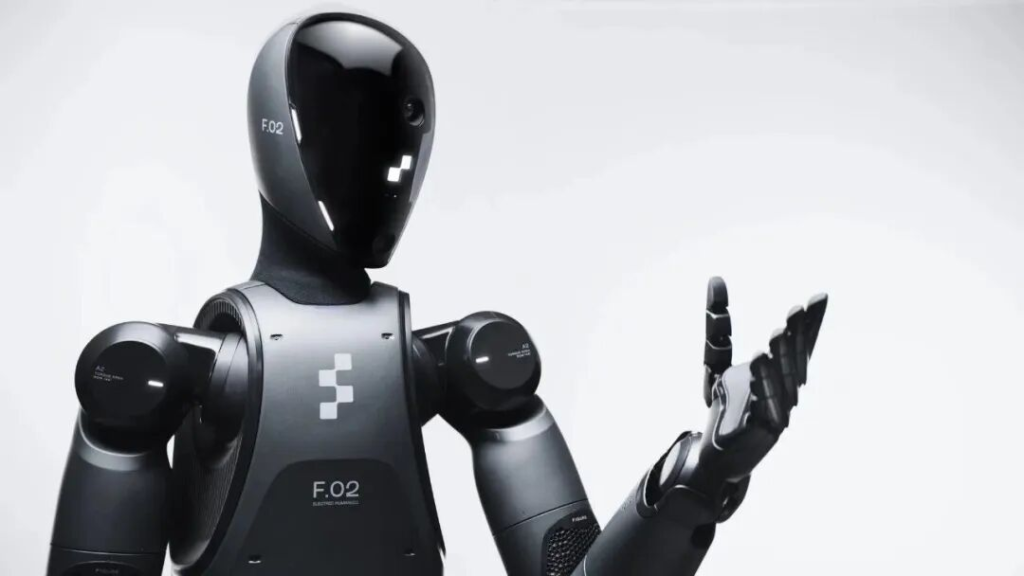
On October 8, according to foreign media reports, NVIDIA Corporation is reportedly considering an additional $1 billion investment in robotics company Figure AI Inc.
NVIDIA participated in Figure’s funding round a year ago, during which Figure raised over $1 billion. According to sources familiar with the matter, NVIDIA may seek to reach a deal to “extend the application of its graphics processors from data centers to homes,” enabling users to run AI tools locally.
Rino.ai Closes $100 Million Series C Funding
Recently, L4 autonomous driving company Rino.ai completed a $100 million Series C funding round, led by Hidden Hill Capital, with participation from Xiangtan State-owned Assets, Hunan Chasing Financial Holdings, Woori Financial Group, and Bozheng Capital. The funds will focus on iterating L4 end-to-end technology and Physical AI capabilities, as well as expanding its urban operations network.
Partnering with Uber: Pony.ai Robotaxi to Land in London Soon
On October 8, autonomous driving company Pony.ai and global mobility platform Uber announced they are advancing the introduction of their seventh-generation Robotaxi to London, UK, with road testing expected to begin in the coming weeks. Previously in August, Pony.ai and Uber deepened their strategic cooperation, planning to deploy over 2,000 autonomous Robotaxis across five European cities.
RoboSense Q3 LiDAR Sales Exceed 590,000 Units
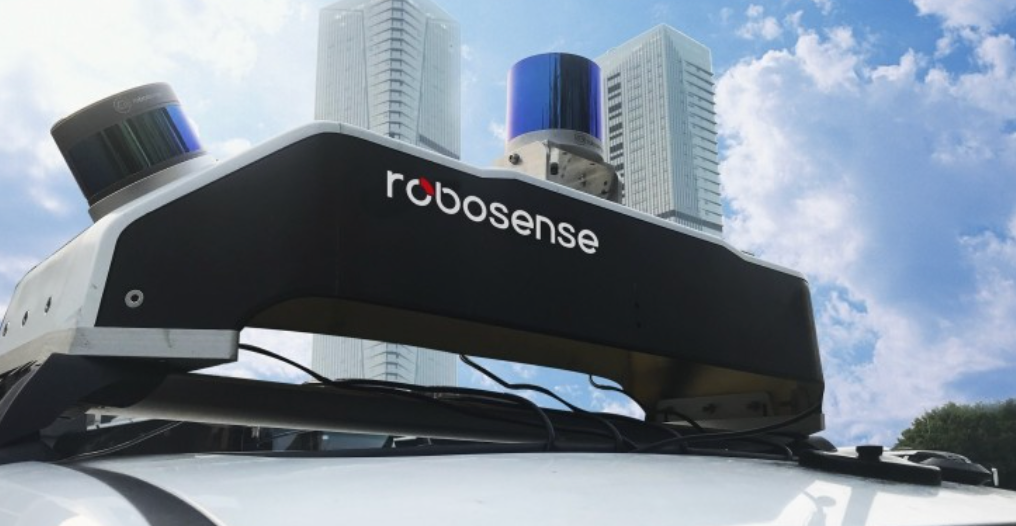
On October 9, RoboSense announced that its total LiDAR sales in Q3 2026 reached 595,600 units, a year-over-year increase of 220.9%, setting a new quarterly record. Among them, LiDAR sales in the ADAS sector were 450,400 units (up 200.1% YoY), while LiDAR sales in the robotics sector were 145,200 units (up 309.0% YoY).
162 Flying Sorting Robots! LOGIANT Secures Major North American Logistics Deal
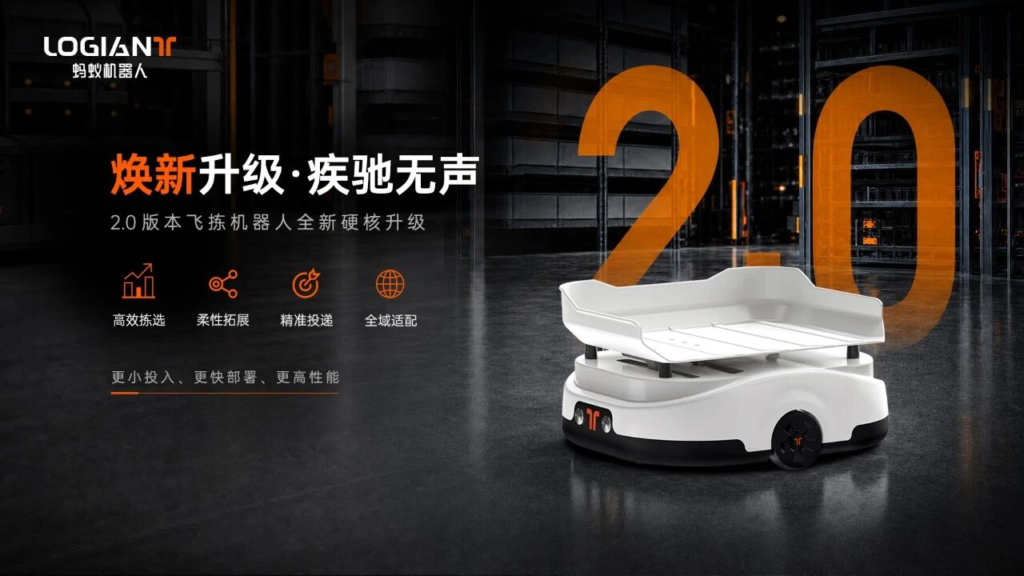
Recently, LOGIANT’s new Flying Sorting Robot 2.0 (Flying 2.0) was deployed in a North American logistics project. The project deployed 162 Flying Sorting Robots at once for automated sorting of cross-border express parcels in North America. This overseas practical application tested the hardcore strength of the 2.0 version, marking a comprehensive iterative upgrade of LOGIANT’s flying sorting robots toward higher speeds, longer endurance, lower noise, and stronger scenario adaptability.
LDROBOT to Acquire German Garden Tool Veteran for Tens of Millions
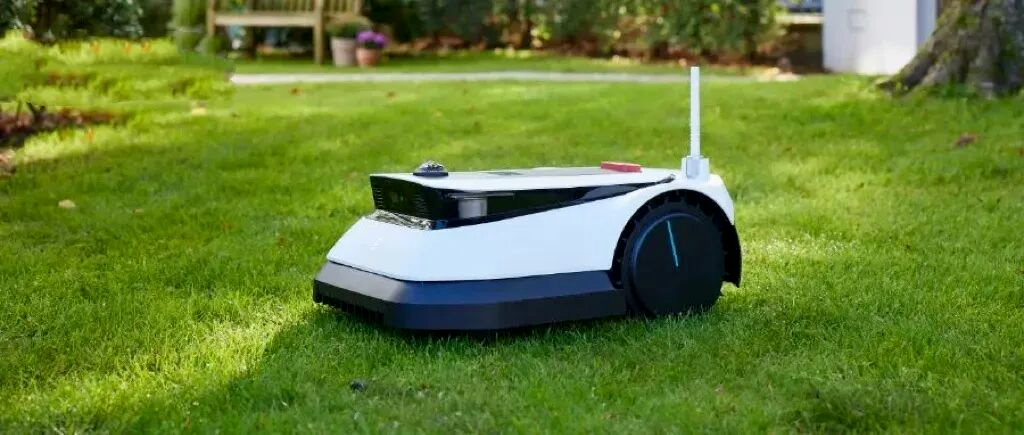
Recently, LDROBOT announced that, together with its wholly-owned Singapore subsidiary, it signed a “Share Purchase and Transfer Agreement” with SABO Holding GmbH and others to acquire 100% equity of the well-known German garden equipment manufacturing and distribution company SABO-Maschinenfabrik GmbH.
The total transaction amount of this acquisition shall not exceed €6 million, including €1 million for equity transfer; no more than €5 million to supplement working capital. Approximately 75% of the transaction funds come from the proceeds of the global offering, with the remaining 25% provided by LDROBOT’s own internal funds. Upon successful completion of the transaction, SABO will officially become a wholly-owned subsidiary of LDROBOT and be fully consolidated into the group’s financial statements.
Embodied intelligence is emerging as one of the most important technological directions in the global robotics industry. The combination of “mobility + manipulation” naturally aligns... Continue reading
Capital is concentrating at the top, EU and US rules are raising barriers, and Chinese players are moving from exports to global operations. In 2026,... Continue reading
D-Robotics announced today the completion of a $400 million Series C funding round. The round was led by Mirae Asset Capital, with co-investment from strategic investors and... Continue reading
On September 7, 2026, a notice titled “Public Notice of Employee Claims (Fifth Batch)”—bearing the reference number “(2026) DeepBlue Bankruptcy Administration No. 8-5″—quietly appeared on... Continue reading
The global mobile robot market continued its rapid expansion in 2025, with Chinese vendors further strengthening their position in the global industry, according to the... Continue reading
October 12, 2026Comments Off on Pony.ai and Uber to Launch Robotaxi in London; BYD’s Humanoid Robot Design Revealed for the First Time: China Physical AI Accelerates Global Expansion