As of October 26, 2026, 14 acquisitions and mergers had been recorded in the mobile robotics sector. The count includes not only equity acquisitions, but also business transfers, team acqui-hires, and strategic investments. On the surface, companies are adding capabilities. Taken together, however, the deals show competition shifting from single-product strengths to key control points across complete systems.
1. Buying technology—and R&D time
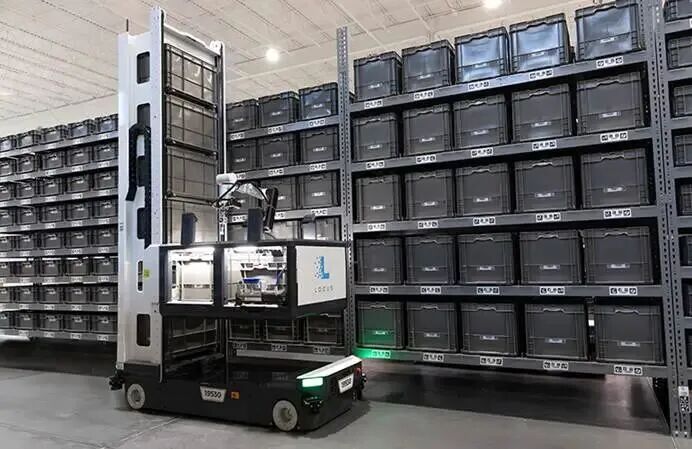
Locus Robotics acquired Canada-based Nexera Robotics to add grasping technology for warehouse picking. Bear Robotics acquired Kinisi Robotics to add wheeled humanoid and manipulation capabilities. Amazon absorbed the Rightbot team to strengthen its experience in unstructured loading and unloading.
The common thread is simple: companies do not want to rebuild every piece of technology from scratch. As technology routes change quickly, buying a validated capability—and the R&D path behind it—can be faster than starting over.
2. Buying a ticket into new scenarios
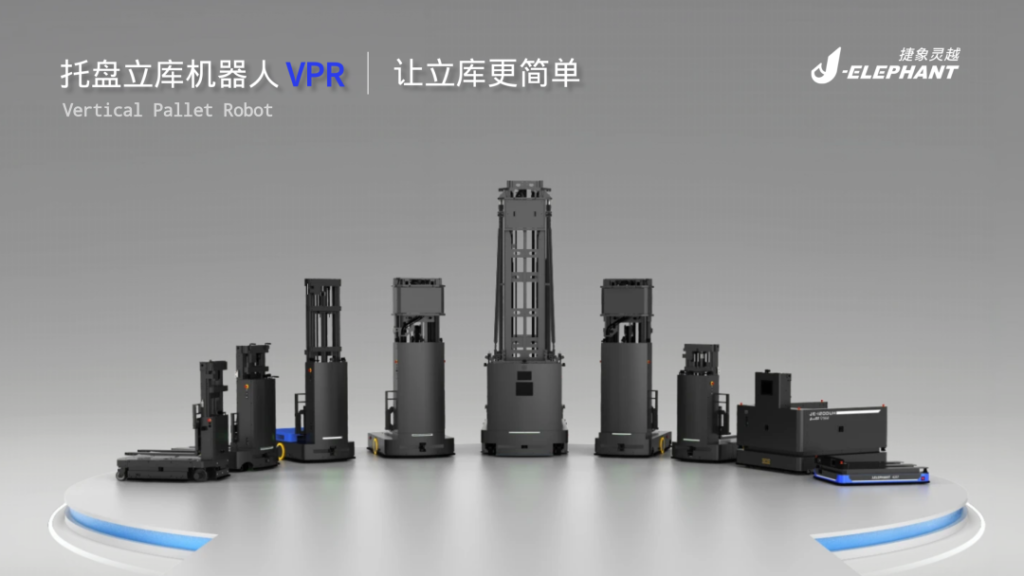
Serve Robotics acquired Diligent Robotics, moving from outdoor delivery into indoor service scenarios such as hospitals. Toyota Industries acquired 80% of IHI Logistics & Industrial Systems to strengthen its capabilities in food logistics and cold-chain applications. Geek+ made a strategic investment in J-Elephant to expand into pallet-based high-density storage and flexible warehouse solutions.
These deals are not simply about adding product lines. They are about buying customer processes, on-site constraints, and delivery experience. Different scenarios follow different operating rules, and buying proven experience can be faster than learning by trial and error.
3. Warehouse automation is filling in the full chain
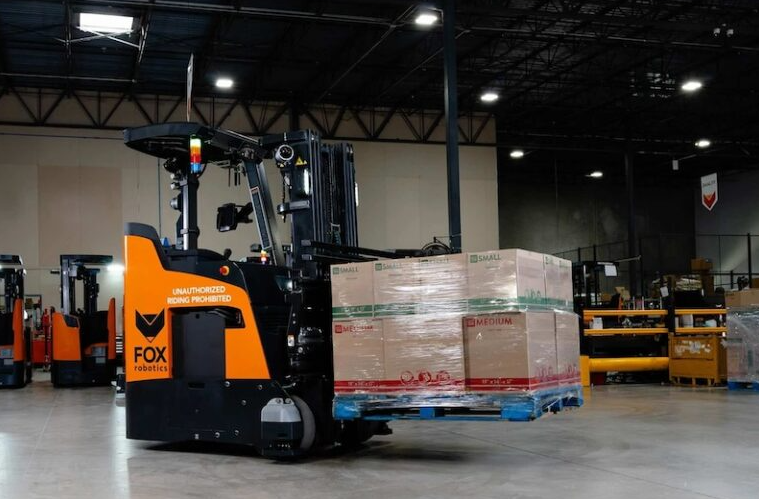
Symbotic made three acquisitions in 2026: Fox Robotics, ARMS Innovations, and cellumation. They correspond to autonomous forklifts, warehouse operations software, and sorting technology. Together, they cover a fuller chain of movement, loading, scheduling, and sorting.
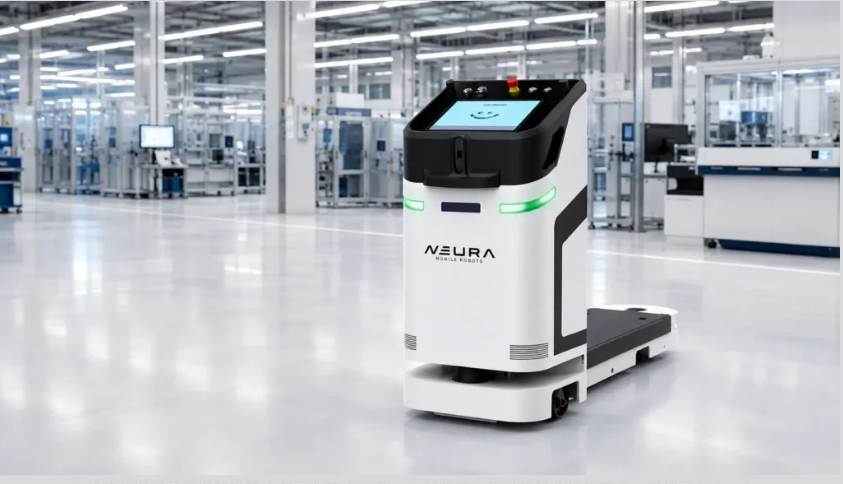
NEURA Robotics also made two consecutive acquisitions—ACTIVE Shuttle and ADLATUS Robotics—bringing industrial material transport and professional cleaning into a unified intelligent system.
The logic of warehouse automation is changing. Customers do not just want a faster machine; they want the whole warehouse to run more smoothly. The company that can coordinate equipment, software, and cross-process data moves closer to system control.
4. Industry boundaries are being redrawn
Skild AI’s acquisition of Zebra Technologies’ robotics automation business shows an AI company moving into hardware and real-world scenarios. The merger of Dexmal and Atomix Robotics aims to connect embodied AI models with logistics robots and real tasks.
On the other side, Honeywell sold its warehouse and workflow solutions business to AIP, and Zebra also divested its robotics automation business. Traditional giants are shedding non-core assets, while AI companies are buying entry points into the physical world. The assets may not change much; what changes is their strategic position in a new organization.
5. M&A is not the finish line
Buying capability does not automatically create competitiveness. Software compatibility, customer service continuity, team innovation, and whether new technology actually enters the main product all affect the final value of a deal.
The key question in the 2026 M&A wave is not who buys the most, but who is positioning early around the next competitive control points—and who can turn acquired technology, scenarios, and teams into customer value. Capital can change a company’s boundaries. Product validation and commercialization are what ultimately separate the winners.
China’s robotics and Physical AI sectors are experiencing a massive surge in momentum. From record-breaking international expansions in warehouse automation to massive capital inflows across... Continue reading
Key Highlights: Total Funding & Deals:According to incomplete public market statistics compiled by the CMR Industry Alliance and the New Strategy Mobile Robot Research Institute,... Continue reading
BYD’s Humanoid Robot Design Patent Leaked for the First Time NVIDIA Reportedly to Invest Another $1 Billion in Figure AI Rino.ai Closes $100 Million Series... Continue reading
Embodied intelligence is emerging as one of the most important technological directions in the global robotics industry. The combination of “mobility + manipulation” naturally aligns... Continue reading
On June 22, Bear Robotics, a US-based commercial delivery robot company, announced the signing of a definitive agreement to acquire Kinisi Robotics, a UK-based embodied... Continue reading