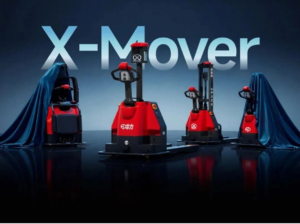
GURKI Launched Two Smart Robots
In June, GURKI launched two key new products—the Kibot smart loading & unloading robot and the KiLink smart loading & unloading robot. These products directly address core operational pain points in packaging scenarios, marking a crucial step in upgrading the company’s market position through robust, intelligent technology.
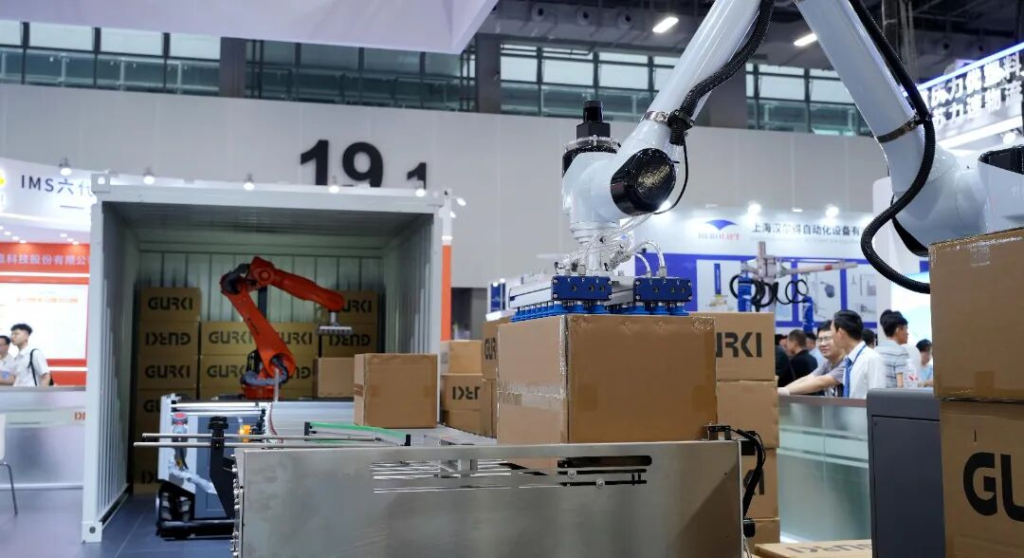
The new Kibot smart loading & unloading robot targets the essential need for loading & unloading vehicles in last-mile logistics. It features a tracked chassis capable of navigating ground height differences of up to 150mm without requiring facility modifications. Powered by AI technology, it offers capabilities such as spatial modeling, motion planning, mixed-load packing, and precision grasping.
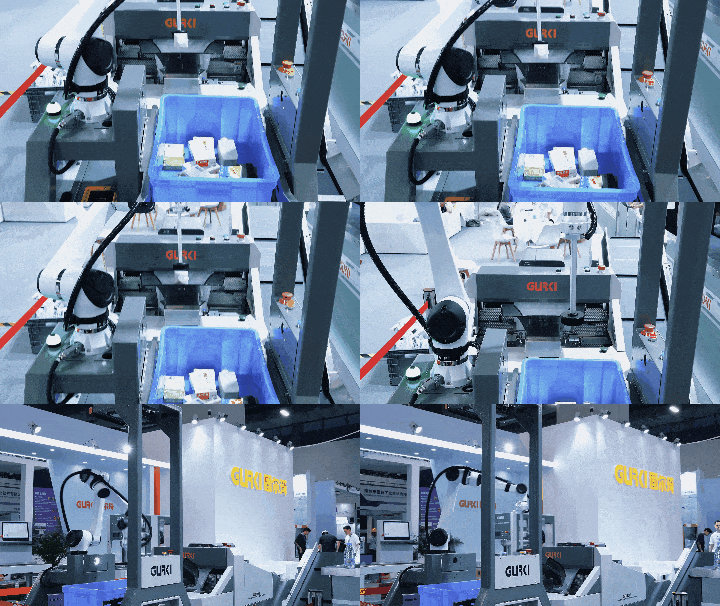
The KiLink smart loading & unloading robot is built on the core concept of “human-robot collaboration.” By deeply integrating AI vision technology with cobots, it eliminates the need for physical barriers between operators and equipment, enabling seamless human-robot teamwork.
BYD Forklift Unveiled a Counterbalance AGV
BYD Forklift has officially unveiled a counterbalance AGV, which integrates cutting-edge lithium battery technology, laser navigation, and multiple safety protection systems to comprehensively empower intelligent material transfer within workshops and warehouses.
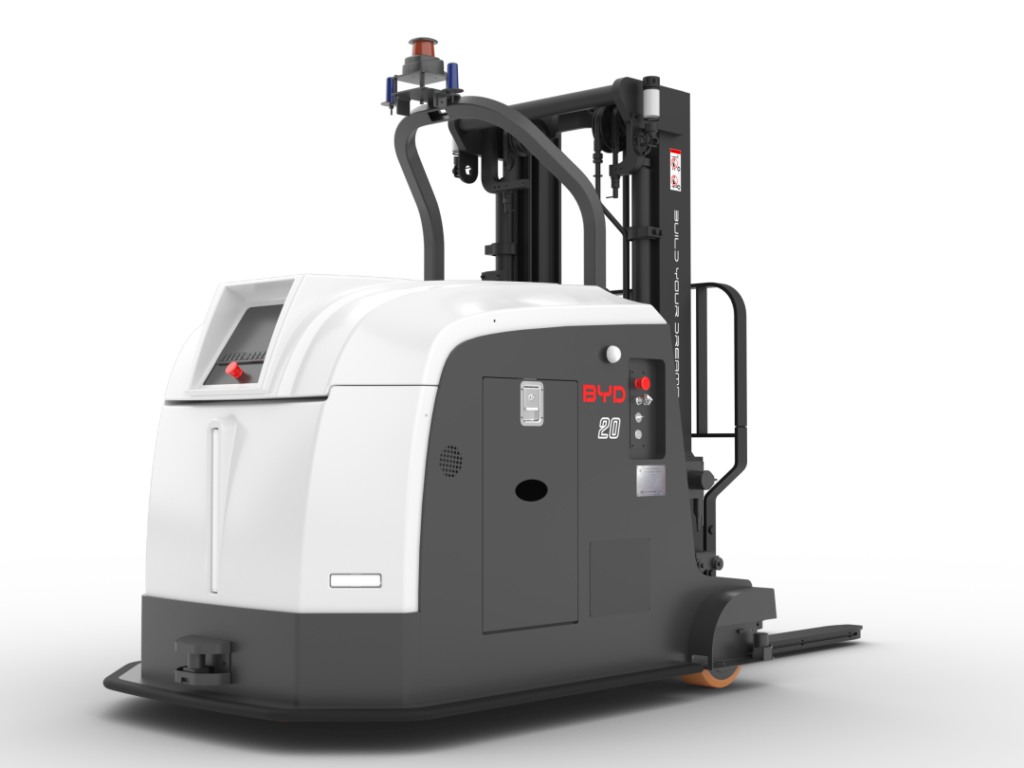
Equipped with a high-capacity lithium battery, this counterbalance AGV delivers powerful performance and long-lasting operation. It utilizes laser navigation for precise positioning, supporting fully autonomous operation and intelligent self-charging without the need for human intervention. The unit features multiple safety measures, including laser obstacle avoidance, mechanical collision protection, and audible-visual warnings, and is compatible with four-way pallets and various standard pallets. It comes standard with a 10-inch smart display and omnidirectional audible-visual alarms, enabling real-time monitoring of component operating status.
Heli EFORK Released a New Generation of Reach Trucks
Heli EFORK has introduced a new generation of reach trucks, an upgraded series designed for high-rack storage and high-frequency warehouse operations. In terms of core performance, the vehicles utilize a 12.5kW lifting motor and a 7kW drive motor, further enhancing lifting and driving capabilities; they can also be customized as AGVs to suit high-frequency and complex operating environments.
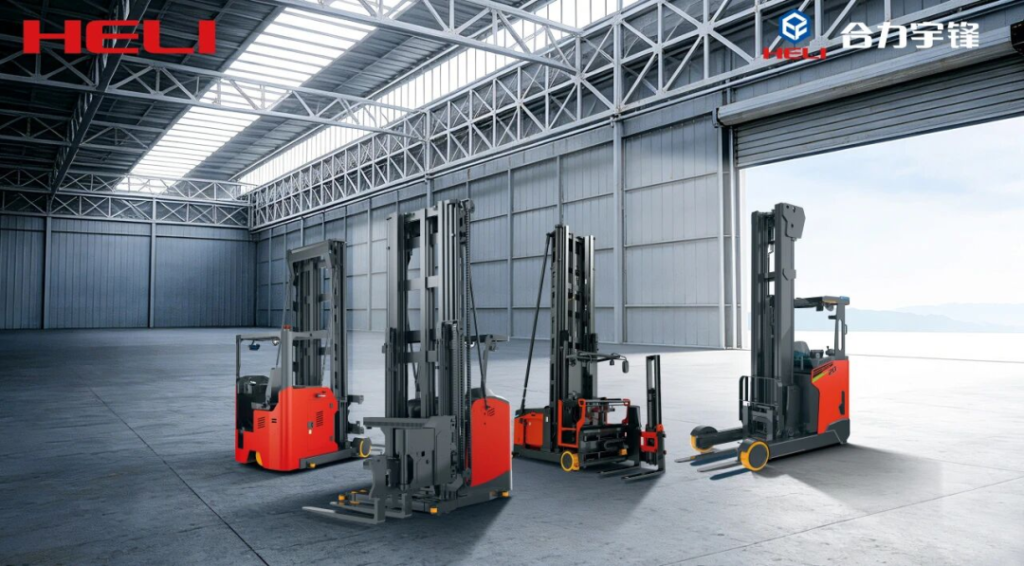
The equipment features a high-strength H-shaped mast and a low center of gravity, ensuring stability during high-reach operations up to 13 meters; electric cushioning at the end of lifting and reach movements minimizes swaying during operation. It utilizes integrated fingertip controls and intelligent electronic speed regulation for energy efficiency and high performance, while offering real-time switching between 180° and 360° steering modes to further boost operational efficiency. Comprehensive safety features include intelligent anti-collision sensing, automatic parking, and curve speed reduction. Additionally, it supports various attachments to handle diverse cargo transport and stacking scenarios, effectively enhancing warehouse operations and logistics turnover efficiency.
Amazon Launched the Next-Generation Conversational Warehouse Robot “Proteus”
Amazon recently announced the launch of its next-generation fully autonomous warehouse robot, Proteus. Compared to the version that debuted in 2022, the most significant upgrade is the addition of human-like language interaction capabilities; employees can issue commands to the robot using natural language, eliminating the need for specialized software programming. The company states that this upgraded robot is part of its automation strategy and will work alongside existing staff to improve operational efficiency, though there is widespread public interest in whether this signals further displacement of warehouse jobs by robots.
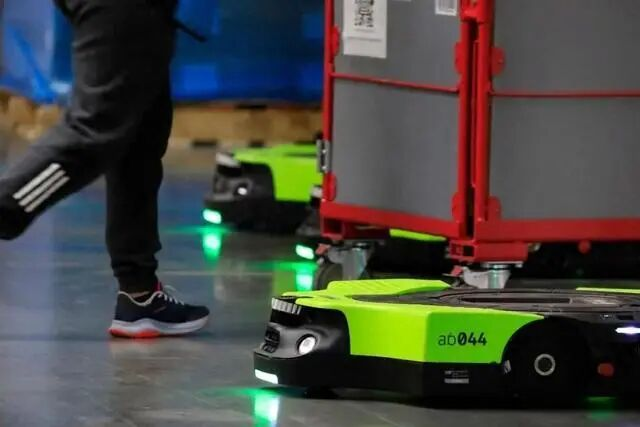
In terms of hardware design, the new Proteus retains the previous “low-profile, turtle-like” form factor, primarily handling the transport of large shelving units and heavy cargo within the warehouse. However, Amazon notes that the new system breaks through the limitations of the previous model, which operated only in loading dock areas, to function in any area requiring cargo transport. The system is currently undergoing testing in Amazon’s internal laboratories, with plans for an initial deployment in Europe during the first half of 2027.
Engoal Unveiled Embodied AI Loading & Unloading Robot
Engoal, a global leader in embodied AI loading & unloading robots, has officially released the Messol-S. Developed with a focus on complex mixed-case scenarios, the product directly addresses the challenges associated with handling mixed loads of various carton sizes.
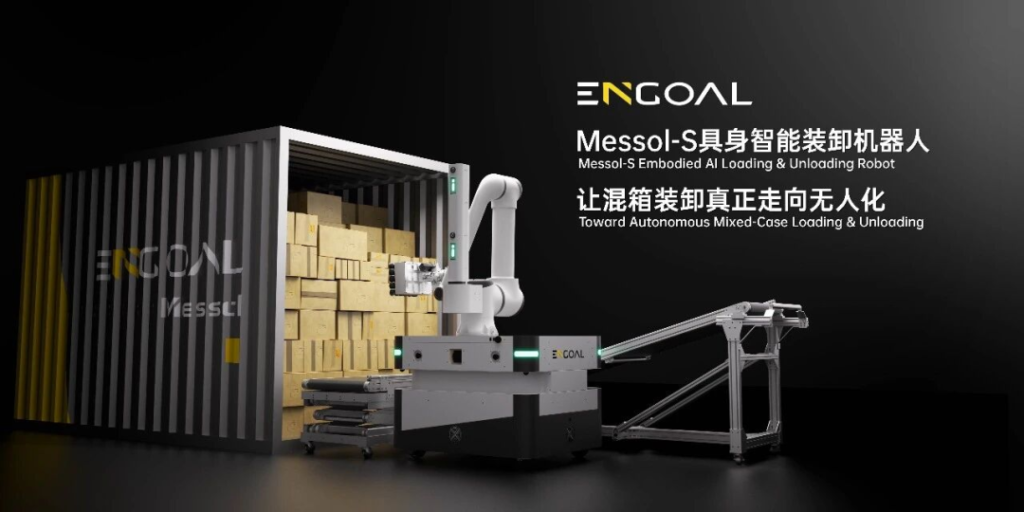
Equipped with dual 3D vision systems and SLAM-based autonomous navigation, the device flexibly adapts to mixed-case environments featuring diverse specifications and irregular pallet stacking, enabling a single unit to autonomously execute the entire unmanned loading and unloading process. Leveraging a lightweight chassis, rapid on-site deployment, and adaptability across various scenarios, it delivers a truly practical unmanned solution for the “final 30 meters” of factory logistics, significantly reducing cargo damage throughout the entire handling chain from gripping to transport.
Sunrising AI Released Industry-Grade Self-Evolving Robot
On June 10, industrial embodied AI company Sunrising AI unveiled the PhiBot X1 in Beijing, the first self-evolving embodied AI robot designed specifically for industrial use in the industry. It targets high-throughput manufacturing lines, such as those in the automotive and 3C sectors, rather than home service or exhibition environments.
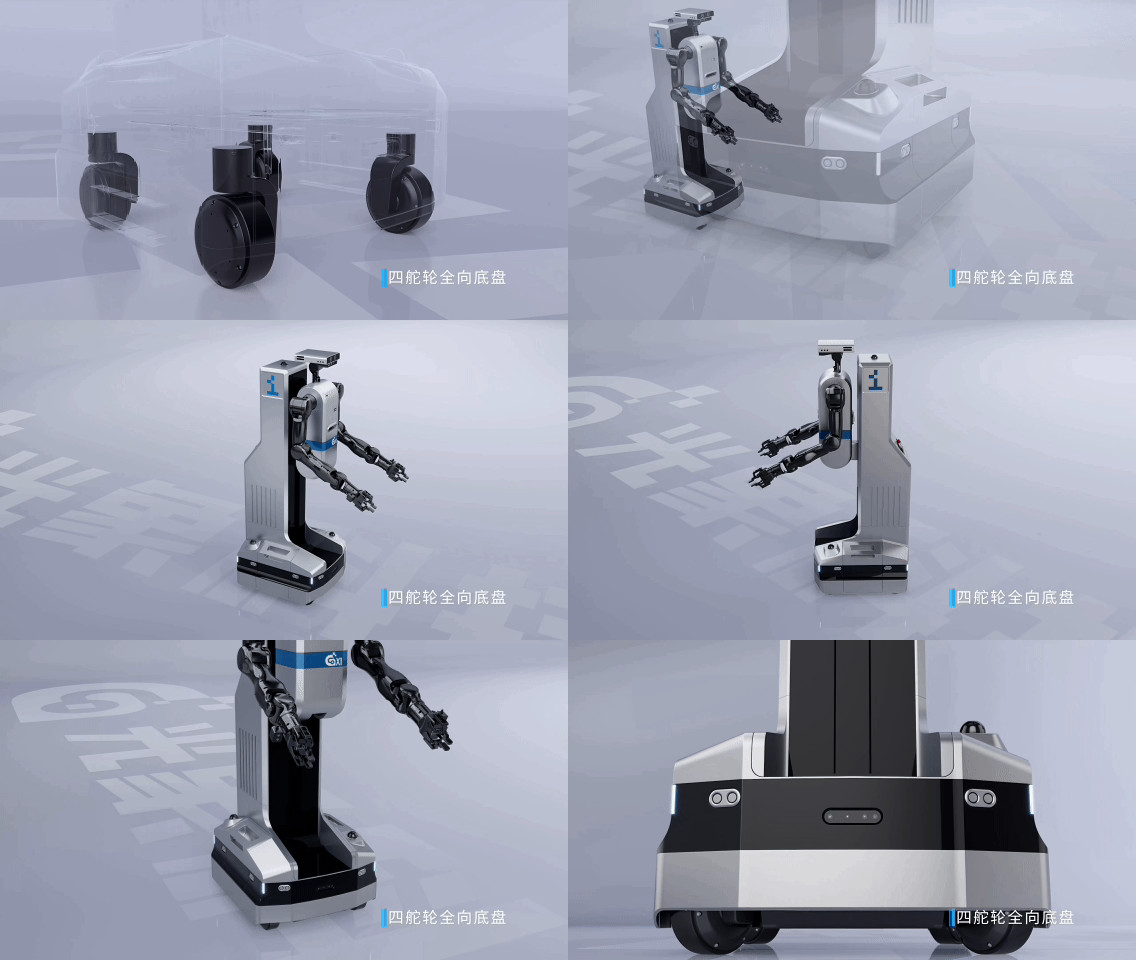
The core philosophy behind the PhiBot X1 is to serve as a “capable AI worker” rather than prioritizing the aesthetic appeal of a humanoid form. The robot features a practical industrial configuration comprising a wheeled chassis, a lifting waist, and dual arms. It boasts 27 degrees of freedom and full-joint force control, meeting the factory’s rigorous demands for precision, stability, and flexibility at the hardware level. In terms of specifications, the X1 is engineered for the demanding and adaptable nature of industrial environments: it utilizes an omnidirectional drive chassis with four independent steering wheels, supporting lateral “crab-walking” and in-place rotation for agile movement in narrow production aisles; an industrial-grade lifting waist structure covers an operating height range of 0–2.5 meters, suiting most industrial workflows; and the dual-arm end-effector repeatability is 0.05 mm, enabling high-precision tasks such as precision assembly and loading/unloading for welding operations.
Atomrobot Launched Parallel-Structure Embodied AI Humanoid Robot
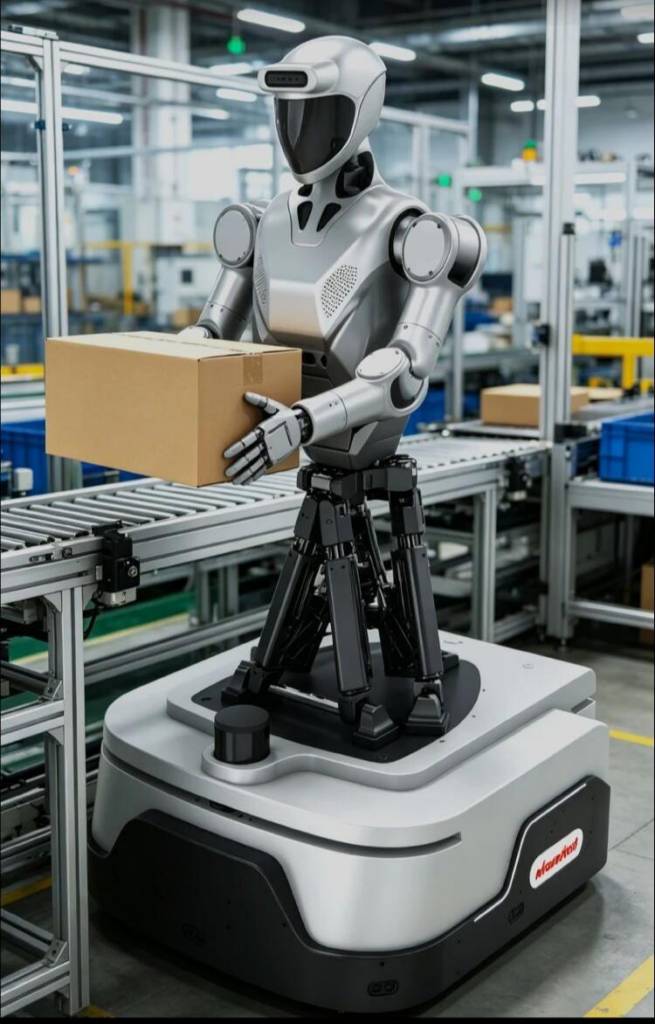
Atomrobot recently unveiled the world’s first parallel-structure embodied AI humanoid robot—the ATOM01. This robot features a proprietary parallel-structure waist capable of supporting a maximum load of 200 kg, achieving a balance between high flexibility and high load capacity. Its robotic arms utilize a human-like force-controlled design with a 7-axis symmetrical configuration, offering a single-arm payload of 12.5 kg and an arm span of 686 mm. Meanwhile, the ATOM01 is equipped with a suite of sensors—including a depth camera, RGB camera, multi-line LiDAR, single-line LiDAR, and obstacle-avoidance radar—along with an inertial navigation module, enabling autonomous navigation.
MiMA Unveiled the ME60: A 6t AGV with Dual-Drive and Oscillating Axle
Recently, the ME60—a 6t AGV featuring dual-drive capabilities and an oscillating axle, independently developed by MiMA—completed batch preparation and was officially shipped to the customer’s site, where it is set to be deployed for warehouse and logistics operations.
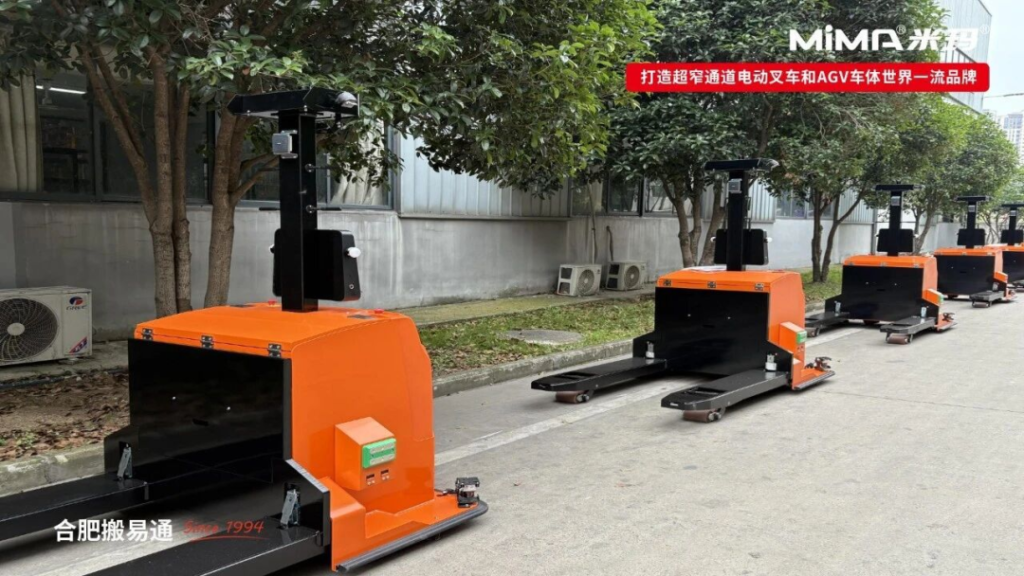
Leveraging an integrated design that combines all-terrain adaptability, a dual-drive power system, and an oscillating axle structure, the ME60 achieves deep coupling between its mechanical structure and drive control. This ensures high precision and exceptional stability during heavy-load operations while optimizing total lifecycle costs. It serves as a model for high-performance, cost-effective heavy-load logistics automation upgrades across sectors such as logistics, cold chain, and textiles, as well as for large supermarkets, workshops, and freight yards.
Burro Released the Grande 44 for Industrial Applications
On June 15, Burro, a manufacturer of outdoor AMRs, officially launched the Grande 44 robot. The unit boasts a towing capacity of 6,000 pounds (approx. 2,722 kg) and a solid steel deck capable of carrying 1,500 pounds (approx. 680 kg), supporting seamless operation across both indoor and outdoor environments.
Positioned as a collaborative efficiency-enhancing platform, the Grande 44 targets repetitive, physically demanding transport tasks in industrial settings. Compared to traditional industrial robots, it offers superior autonomous operational capabilities, adapting to complex terrains such as gravel, slopes, dust, and mud, and variable weather conditions. It enables cross-zone heavy-load delivery, autonomous campus patrols, and real-time asset tracking without requiring infrastructure modifications or disrupting existing operations, thereby effectively reducing fuel consumption and manual auditing costs. The product is also compatible with attachments such as automatic mowers and selective spot sprayers, allowing for expanded functionality in large-area site maintenance.
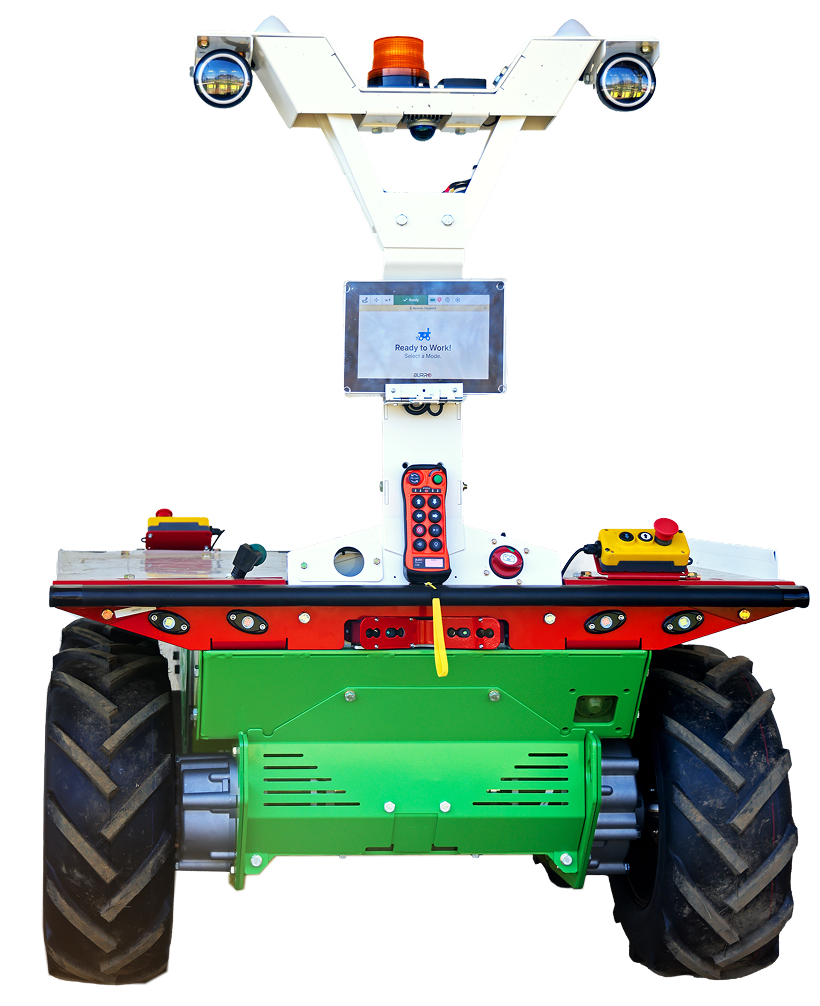
Founded in 2017 and headquartered in Philadelphia, Burro specializes in field robots powered by AI and computer vision that are designed to operate in complex, real-world environments.
Genesis AI Launched General-Purpose Robot “Eno”
On June 16, robotics startup Genesis AI officially unveiled its first general-purpose robot, Eno, which is powered by the company’s foundational model, GENE.
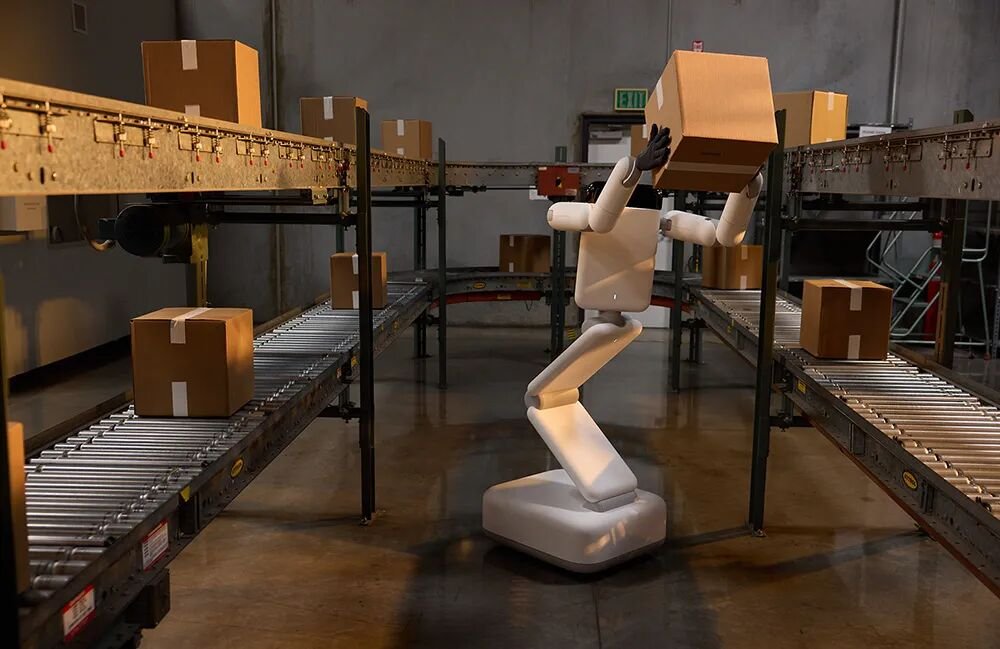
The robot features a core body with a foldable, tower-like structure composed of multiple articulated panels. This design allows it to dynamically adjust its height and operational reach based on task requirements; when idle, it can fold down completely for storage, significantly saving space and making it perfectly suited for compact environments like factories and laboratories.
Its mobility system utilizes a wheeled base, offering superior stability, safety, and operational endurance in industrial settings—thereby avoiding the common drawbacks of bipedal robots, such as a tendency to fall, limited application scenarios, and high maintenance costs. The robot is equipped with a dexterous hand that replicates the human hand’s form at a 1:1 scale; featuring 20 active, back-drivable degrees of freedom, it can precisely simulate various fine motor movements to execute complex tasks like grasping, assembly, and debugging—serving as the core hardware enabling its general-purpose capabilities. Additionally, Eno offers an optional cognitive interaction screen on its chest, which displays the robot’s real-time operational status, reasoning logic, and task intentions.
Cobot Unveiled the Second-Generation Proxie Mobile Robot
Cobot recently released the second generation of its Proxie mobile robot. This new version boasts increased payload capacity, automatic battery swapping, autonomous task recognition, and optional dual-arm manipulation capabilities, aiming to expand deployments across the healthcare, logistics, and manufacturing sectors.
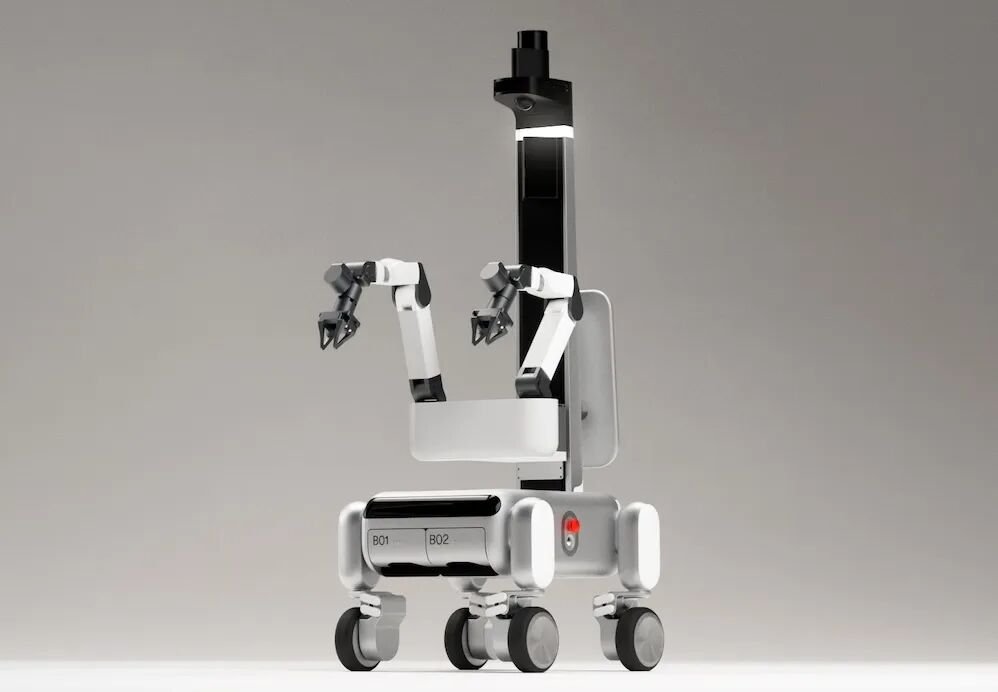
The second-generation Proxie features enhanced autonomous task recognition capabilities—a feature Cobot calls “Auto-Task.” Instead of relying on integrations with warehouse management systems, hospital software, or human dispatchers, Proxie builds what the company describes as a real-time environmental model. After mapping the facility using traditional SLAM technology, the robot continuously monitors carts, bins, and workstations. It can determine when materials are ready for transport, identify destinations, and generate tasks without human intervention.
This second generation also marks Cobot’s entry into the field of mobile manipulation. The company has introduced an optional dual-arm configuration designed specifically for two-handed operations in healthcare, logistics, life sciences, and manufacturing environments. This move comes as advancements in VLA models, diffusion policies, and world models accelerate progress in robotic manipulation.
ExRobotics Released Inspection Robot for Hazardous Environments
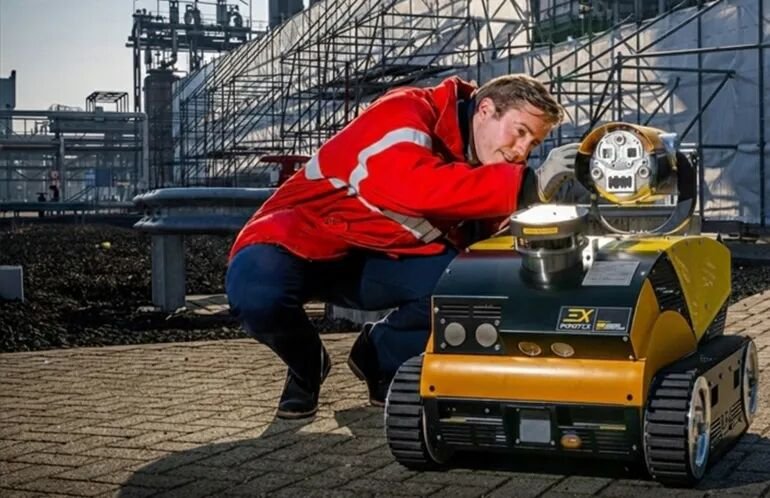
ExRobotics recently launched a UL-certified inspection robot designed for hazardous environments. The ExR-2.5 robot performs safety inspections and collects real-time data across upstream and downstream operations, onshore and offshore sites, as well as LNG and chemical facilities.
Danmai Dynamics Lanched China’s First Mobile Deterrence Robot
Danmai Dynamics recently launched MQ-2, China’s first mobile deterrence robot tailored specifically for substation environments. Equipped with omnidirectional unmanned driving technology, the device integrates autonomous cruising, AI recognition, intelligent tracking, and multi-dimensional deterrence capabilities. It provides 24-hour fully automated monitoring, effectively eliminating the blind spots and inefficiencies associated with traditional manual or fixed-point security measures. By efficiently preventing power failures caused by small animal intrusions, it helps reduce costs and improve efficiency in power grid operations and maintenance.
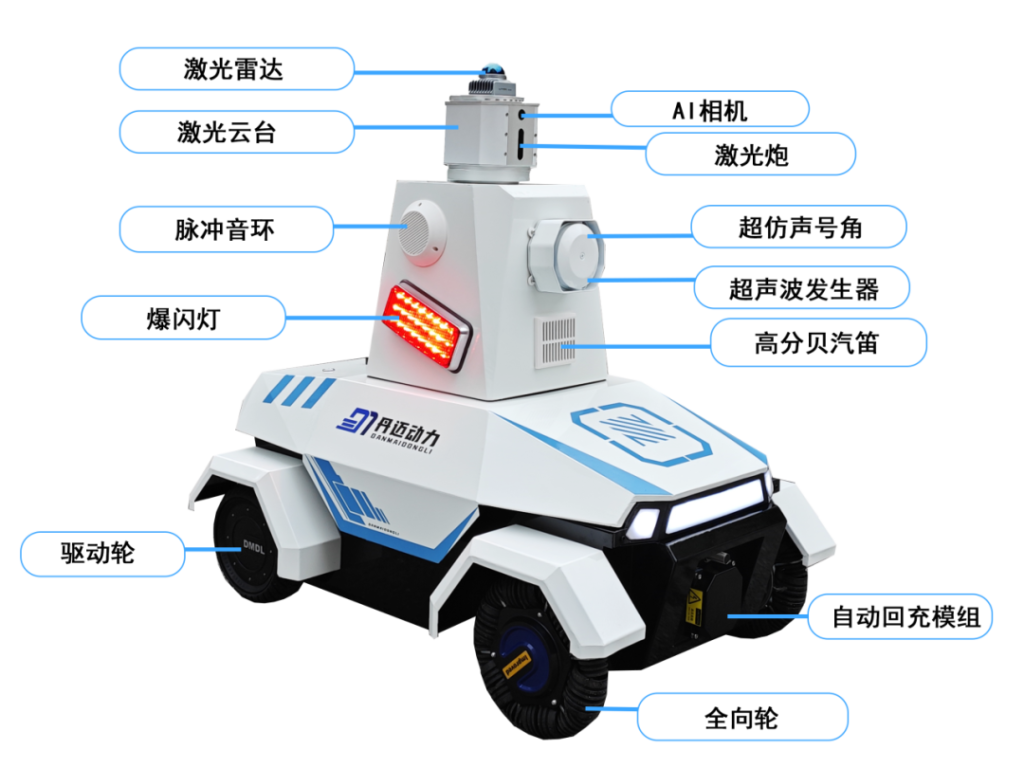
The product features three proprietary core technologies and a tank-like mobility architecture, enabling a closed-loop workflow of movement, tracking, and deterrence. Powered by advanced AI recognition algorithms, it accurately identifies various small animals while preventing false alarms. It also employs a tiered, multi-modal deterrence strategy that allows for mode switching based on needs, making it adaptable to the complex operational environments of various substations.
Moon Dynamics Released L1: A Heavy-Duty Wheeled-Legged Humanoid Robot
On June 23, Moon Dynamics officially released the L1, the world’s first heavy-duty wheeled-legged humanoid robot. A key feature is the systematic application of “Reduced-order Models” to the robot’s body control, positioning the L1 as a “physical translator” for Physical AI.
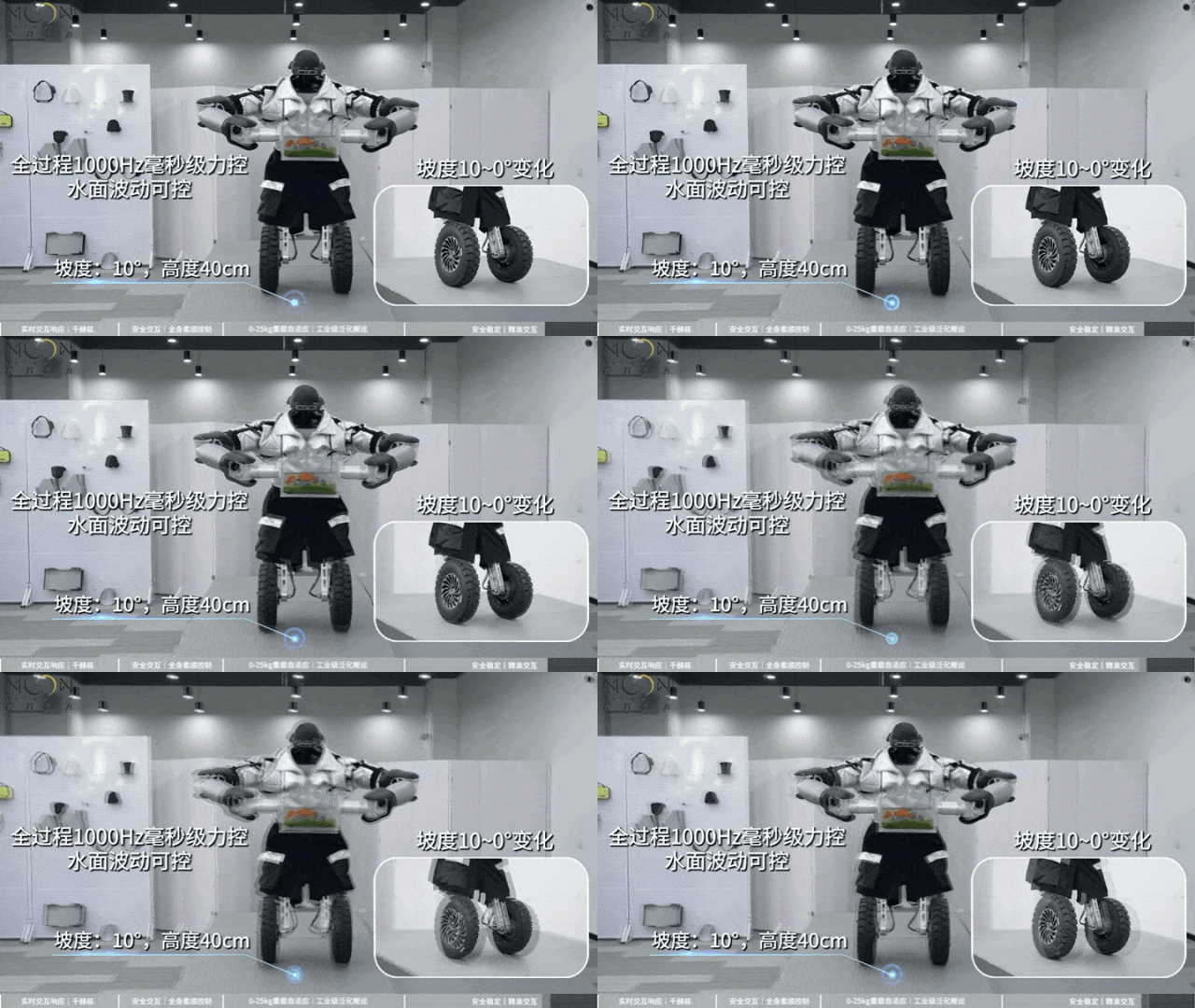
The L1’s mid-level whole-body control system, based on the reduced-order model, achieves an output frequency of 1,000Hz. It can stably carry a 20kg cargo bin up slopes and perform gripping and lifting tasks at heights of up to 1.8 meters while under a 20kg load, making it suitable for industrial palletizing and material-loading stations. The L1 is Moon Dynamics’s first commercialized product; the company plans to expand the robot’s capabilities beyond heavy-duty industrial handling to include complex, dexterous manipulation and a wider range of commercial and domestic applications.
FF Unveiled Its First Industrial-Grade Wheel-Arm Robot Faber
Faraday Future (FF) recently officially launched the all-new FF Faber, the first series of industrial-grade EAI wheel-arm robots in the U.S., and provided a first look at its industrial ecosystem strategy for EAI robots.
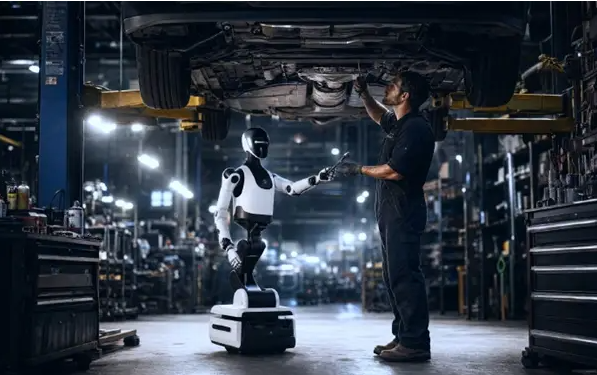
FF Faber represents the first commercially available, industrial-grade series of EAI wheel-arm robots in the U.S. These robots feature a general-purpose platform capable of specialized tasks, characterized by autonomy, precision, and an open architecture. The series comprises three models: the Faber U, the highest-spec model, equipped with the high-performance Thor chip and a multi-sensor fusion system; the Faber T, designed with the potential for large-scale deployment in power grid inspections and data centers; and the Faber S, which boasts the longest arm reach and a comprehensive toolchain for collecting embodied AI data.
Robot.com Launched “R-noid” Wheeled Humanoid Robot
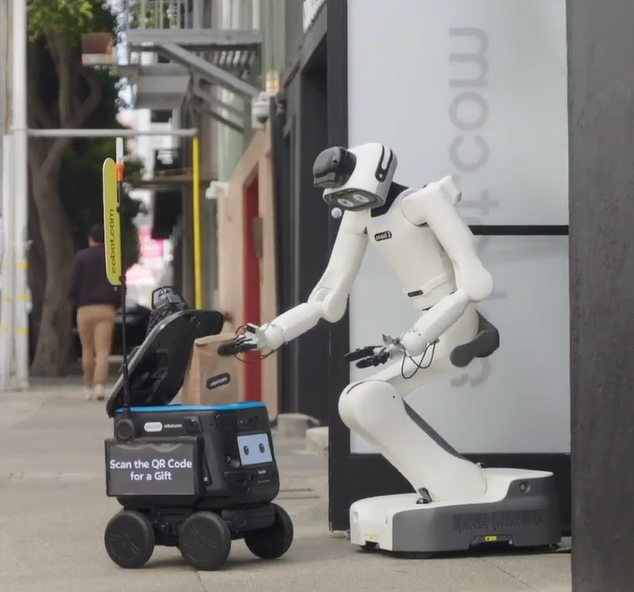
On June 22, Robot.com, formerly known as the delivery robot company Kiwibot, unveiled its wheeled humanoid robot, R-noid, at the Automate 2026. The robot features a legless design with an omnidirectional wheeled chassis, dual arms with seven degrees of freedom each, a single-arm payload capacity of approximately 4 kg, and a three-hour battery life. Its business model centers on “Robot-as-a-Service” (RaaS), with a timeline of just 8–12 weeks from site assessment to autonomous deployment. Currently, fewer than 40 units have been commercially deployed across a dozen or so clients; the selling point is not technical showmanship, but rather renting out the humanoid as a labor resource paid for by the month—a strategy betting on the value of “doing the heavy lifting first and generating rental revenue early.”
Big Joe Unveiled Four Autonomous Material Handling Units in North America
Big Joe Autonomous Solutions, a division of the U.S.-based Big Joe Forklifts, recently unveiled four new autonomous units at the Automate 2026 in Chicago, further expanding its automation product portfolio for warehousing, manufacturing, and distribution centers.
According to the announcement, the four new products include the AP44 fully autonomous pallet truck, the ASC40 autonomous counterbalanced stacker, the ATC100 autonomous tugger, and the ACV40 autonomous three-wheel forklift. All four units were developed to handle typical material handling tasks in existing warehouse and manufacturing environments, emphasizing a design that requires neither major changes to facility layouts nor complex infrastructure modifications.
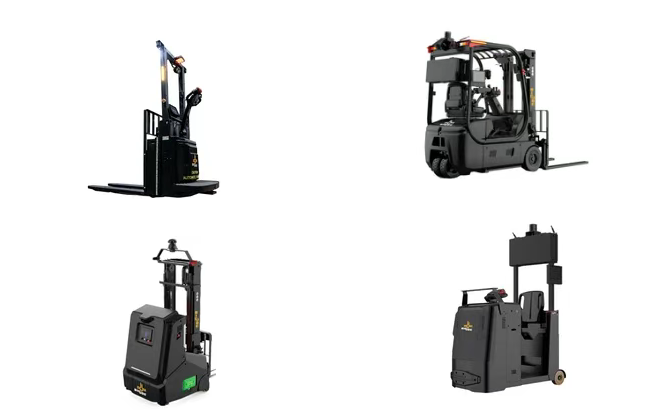
Among them, the AP44 fully autonomous pallet truck is a core product designed for the horizontal transport of palletized goods, featuring a rated load capacity of 4,400 pounds. It offers three operating modes: manual, semi-autonomous, and fully autonomous. The ASC40 autonomous counterbalanced stacker is designed for applications such as temporary pallet storage, low-level racking operations, and line-side replenishment; it has a rated load capacity of 4,000 pounds and a maximum lift height of 3 feet. The ATC100 autonomous tugger is designed for point-to-point transport using various trailer configurations, with a maximum towing capacity of 10,000 pounds; it is suitable for towing tooling carts and materials within manufacturing workshops, distribution centers, or component supply environments. The ACV40 autonomous three-wheel forklift extends Big Joe’s automation portfolio to heavier, more complex indoor forklift applications; with a rated capacity of 4,000 pounds, it targets indoor warehousing tasks that are difficult to automate using traditional internal combustion or electric forklifts.
YOUIBOT Released Industry-Native Humanoid Robot.
On June 29, YOUIBOT unveiled new products in its embodied AI series, including “FabriX”—the world’s first large model for industrial embodied AI capable of scalable application—and “Edge,” an industry-native humanoid robot.
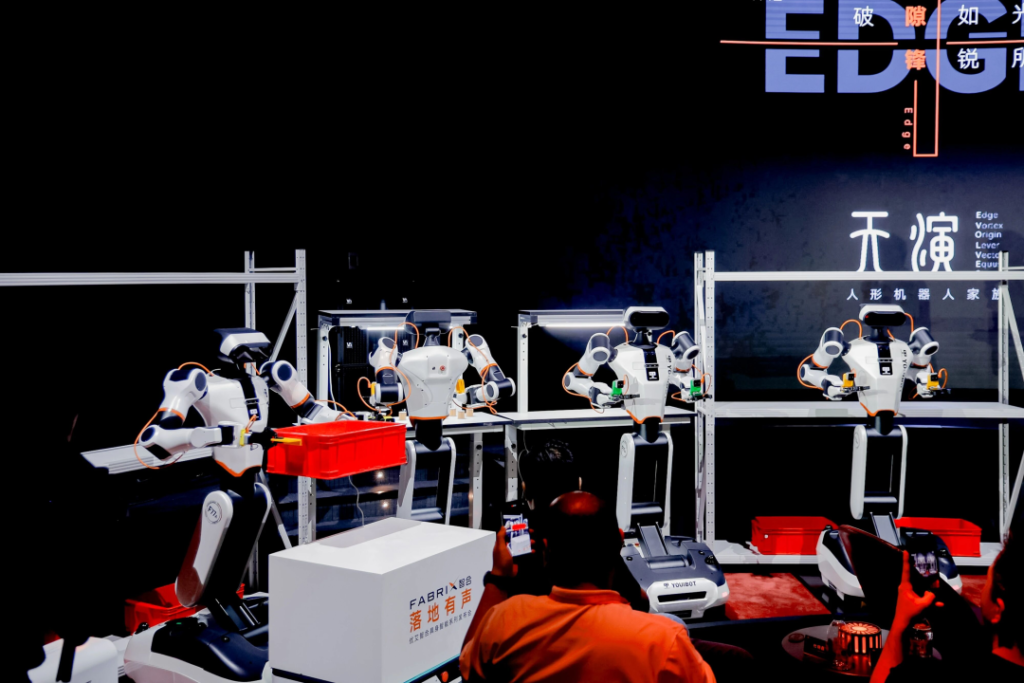
As the latest addition to the “Tianyan” series of humanoid robots, the “Edge”, a humanoid robot built specifically for industrial applications, fully integrates the capabilities of the FabriX model. Utilizing low-sample transfer technology, it comes equipped with basic operational capabilities right out of the factory; upon arrival at an industrial site, it can achieve a 90% success rate after training on just 50 data samples, while continuously refining its abilities through a 24-hour training cycle. Furthermore, the Edge leverages YOUIBOT’s “One Brain, Multiple Forms” architecture to enable cross-embodiment swarm collaboration where a single “brain” controls various robot forms, thereby maximizing swarm efficiency. “We are moving away from individual robots operating in isolation to form a unified, organized whole; the power of swarm collaboration optimizes the factory’s overall efficiency,” stated Wanqiu Zhao, Co-founder and Chief Embodied Intelligence Engineer at YOUIBOT.
EP Equipment Launched Multiple New Products
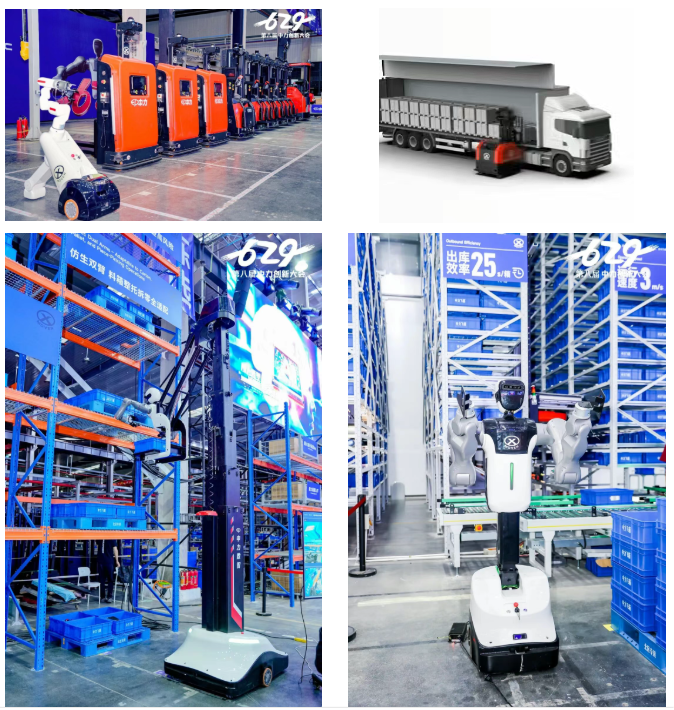
From June 29 to 30, during its 8th “629” event, EP Equipment launched a wide array of new products. Ranging from flat-transport robots to arm-style robots, the depth and breadth of the product portfolio reached unprecedented levels at this event.
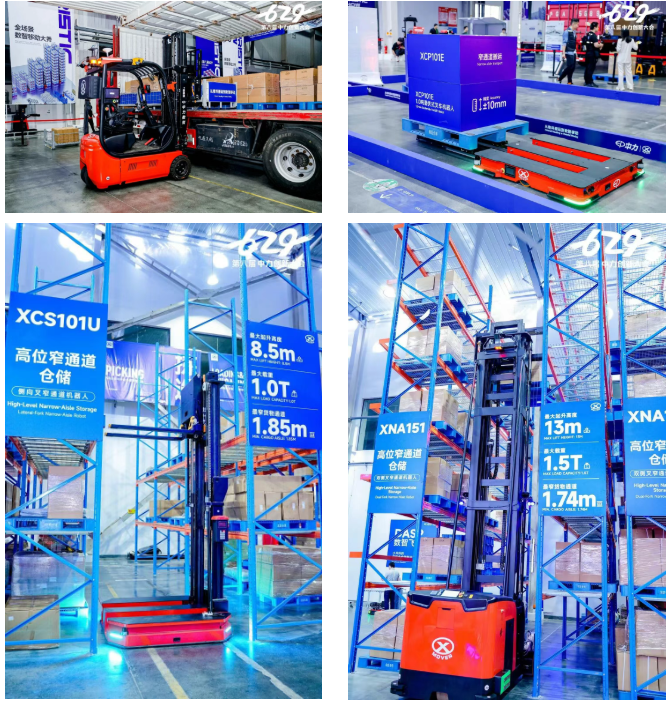
New products include the XFL201 (2.0t counterbalanced embodied robot), XCP101E (1.0t under-ride forklift robot), XFO151 (1.5t counterbalanced robot), XCS101U (1.0t single-side fork narrow-aisle stacker robot), XAN101 (1.0t double-side fork narrow-aisle stacker robot), and XQC163 (1.6t indoor reach truck). Additionally, a new series of arm-style robots was introduced, featuring the UHX-01, the XORD2-8500 humanoid robotic arm mobile robot, and the XORD1 series.
Mushiny Unveiled New Four-Way Shuttle and System
From June 23 to 25, at CeMAT Australia 2026, Mushiny unveiled its new four-way shuttle system, showcasing comprehensive intelligent logistics solutions that cover storage, transport, sorting, and packaging.
Mushiny has launched an all-new four-way shuttle system specifically designed for high-density pallet storage scenarios. Utilizing a core architecture comprising four-way shuttles, lifts, and high-density racking, the system operates flexibly in multiple directions within automated storage and retrieval systems (AS/RS) to handle pallet storage, retrieval, and automated inventory organization, thereby achieving comprehensive automation.
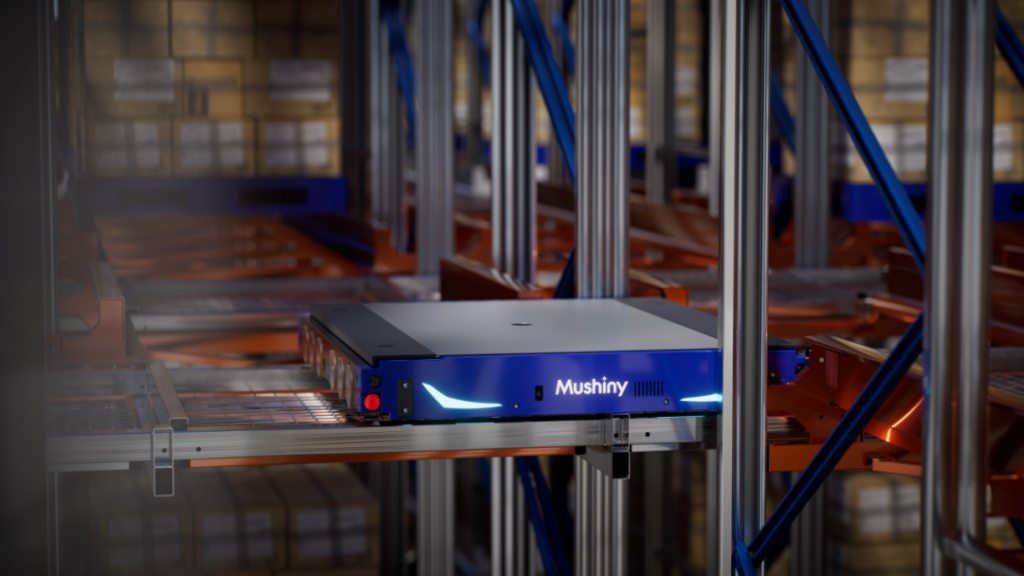
With an ultra-slim profile of just 125mm, the new shuttle adapts seamlessly to complex environments such as irregularly shaped, low-ceiling, cold storage, and high-temperature warehouses, and supports cross-zone and cross-floor deployment, offering enhanced flexibility and scalability for projects of various sizes. The launch of this four-way shuttle completes Mushiny’s product portfolio across the four key stages of storage, transport, sorting, and packaging, establishing a fully automated, closed-loop operational chain.
Mantis Robotics Launched Dual-Arm Industrial Robot
US-based Mantis Robotics unveiled the MR-X, a cage-free, dual-arm industrial robot. While it can be deployed on a mobile base, the MR-X is not a standalone “mobile robot” unit in itself; rather, it emphasizes dynamic human-robot collaboration capabilities. Its core strengths lie in combining a high payload capacity of 70 lbs (approx. 31.8 kg) with industrial-grade speeds of 10.6 m/s, while enabling true cage-free human-robot collaboration through its patented SafetyCore system.
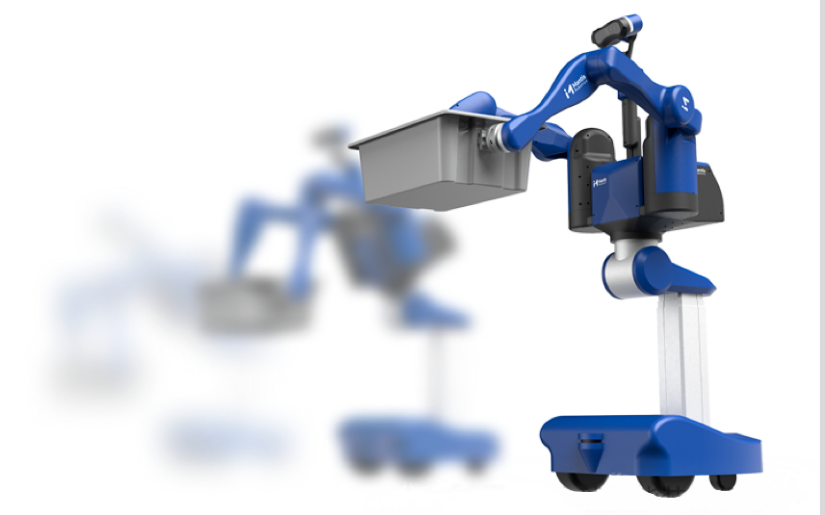
Globally, the MR-X bridges the gap between traditional cobots (characterized by low speed and low payload) and industrial robots (which require strict safety barriers), offering significant technical advantages, particularly in manufacturing and logistics scenarios requiring coordinated dual-arm operations.
Sino-Japan Smart Logistics Exchange Conference for Mobile Robotics and Humanoid Robotics will be held in Tokyo Japan on September 9. The event will feature the global premiere of the Global Mobile Robot Industry Development Report 2026, in-depth analysis of Chinese and Japanese smart logistics markets, showcases of innovative Chinese robotics technologies, expert roundtable discussions, and targeted matchmaking opportunities to foster Sino-Japan collaboration and unlock new business opportunities in smart logistics. Welcome to join us!
For details, visit https://cnmra.com/sino-japan-smart-logistics-exchange-conference-for-mobile-robotics-and-humanoid-robotics/.
For registration, visit https://luma.com/mzepuhg8.