On June 25, the 3rd Embodied Humanoid Robot Scenario Application Expansion Conference & the First 100-Person Meeting for Embodied Humanoid Robot Integrators 2026 took place in Hangzhou. The event was hosted by the Humanoid Robot Scene Application Alliance (HRAA) and co-organized by Flykor and Reed Exhibitions.
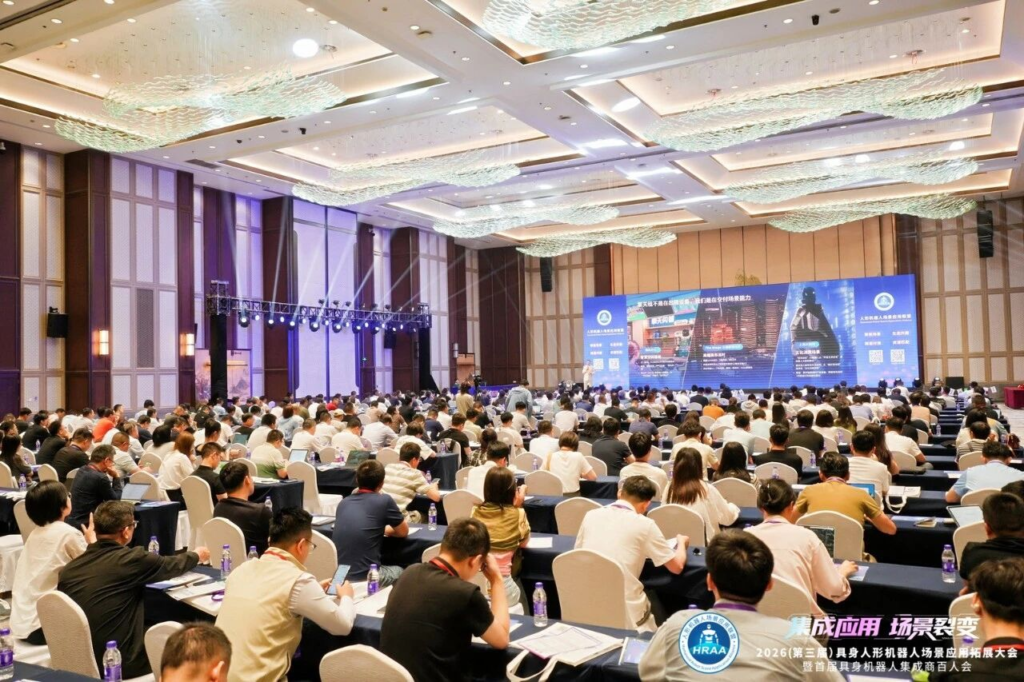
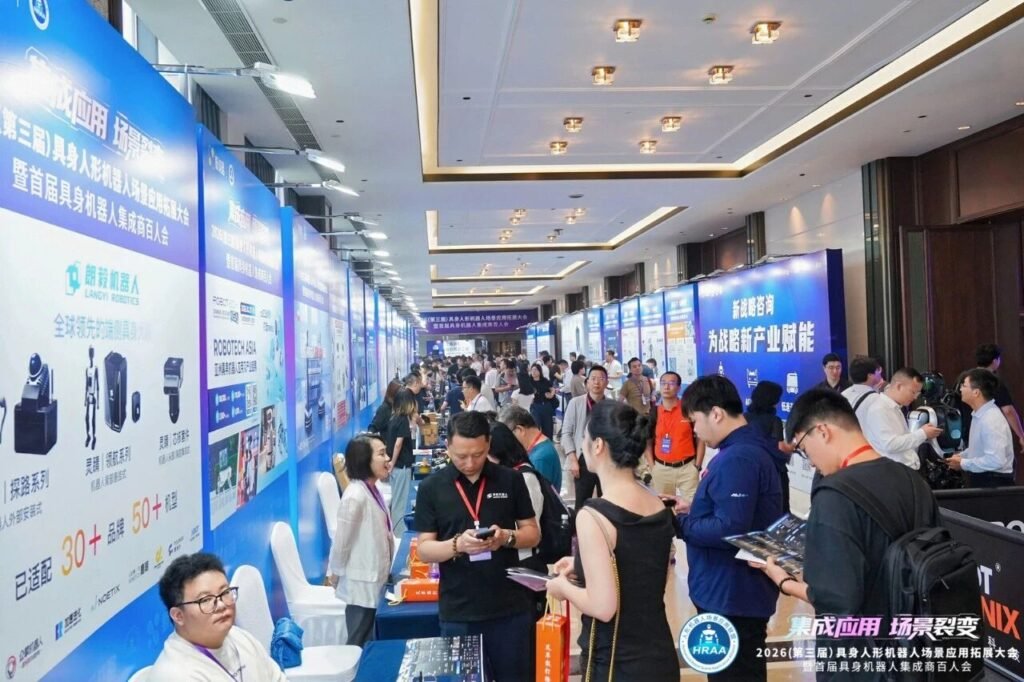
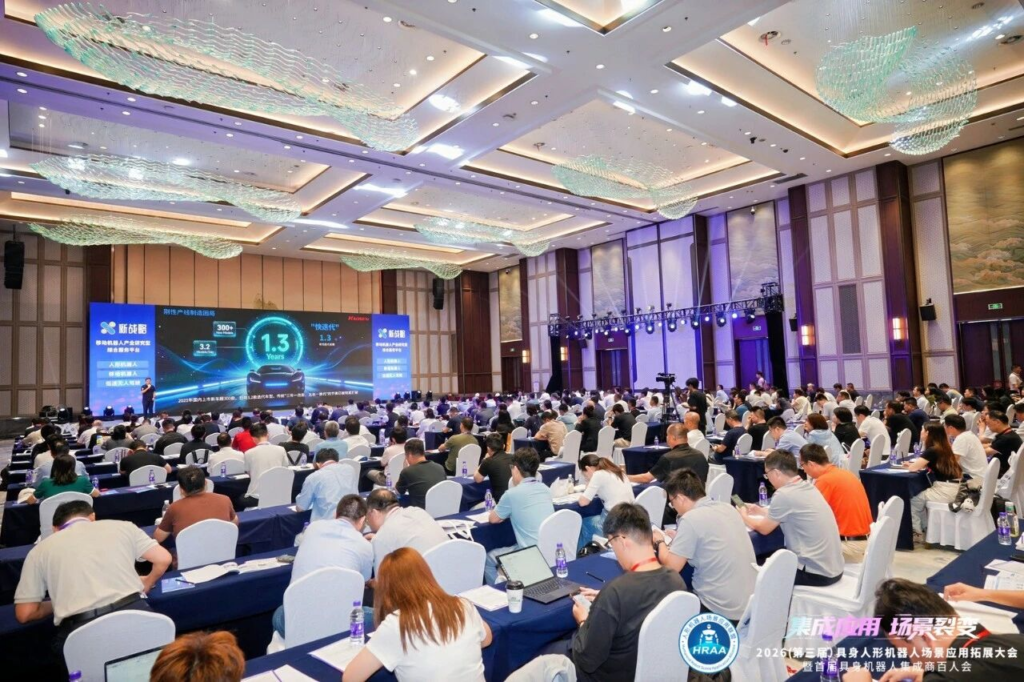
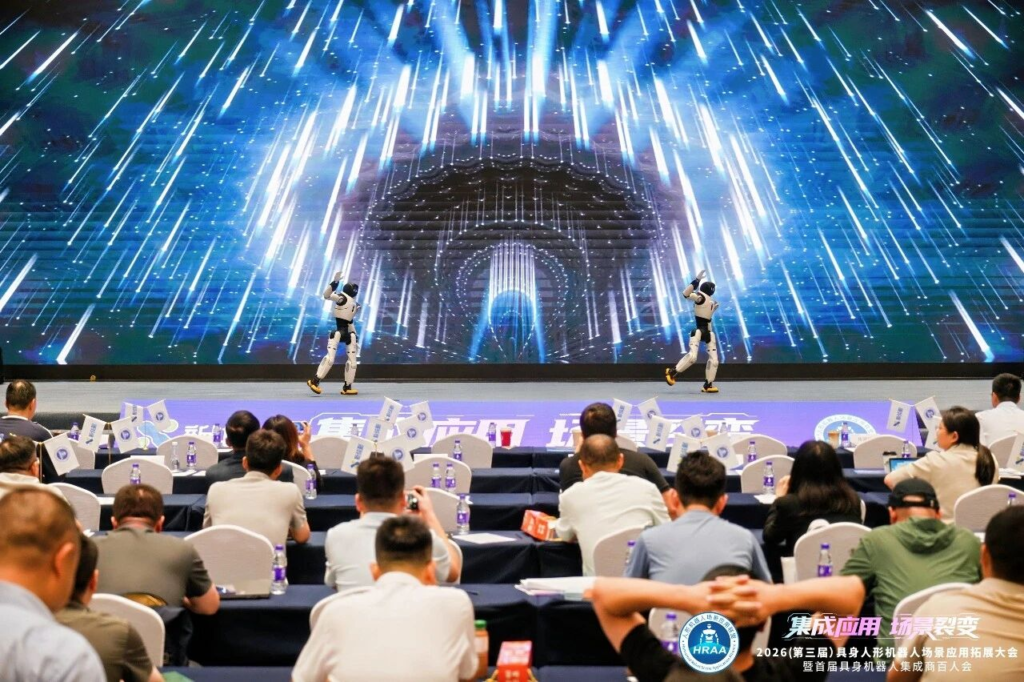
Centered on the theme “Integrated Applications and Scenario Proliferation,” the conference placed “scenarios” and “integrators” at the forefront of the industry stage for the first time. Representatives from across the industrial chain—including upstream and downstream enterprises, system integrators, end-users, and investment institutions—gathered in Hangzhou to explore new pathways for the large-scale deployment of humanoid robots.
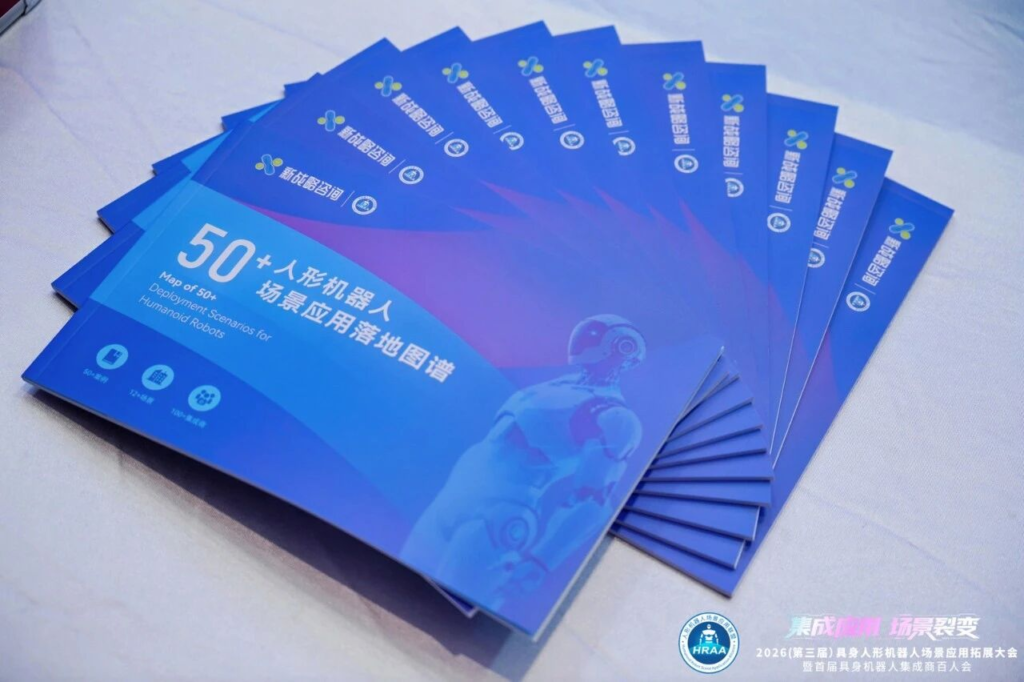
During the event, industry experts and corporate leaders shared in-depth insights on topics such as scenario deployment, data acquisition, embodied AI models, and industrial collaboration. Additionally, HRAA officially released the Map of 50+ Deployment Scenarios for Humanoid Robots, providing a practical reference for the industry to expand application scenarios and drive project implementation.
New Strategy Consulting: Reflections on the Implementation of Humanoid Robots
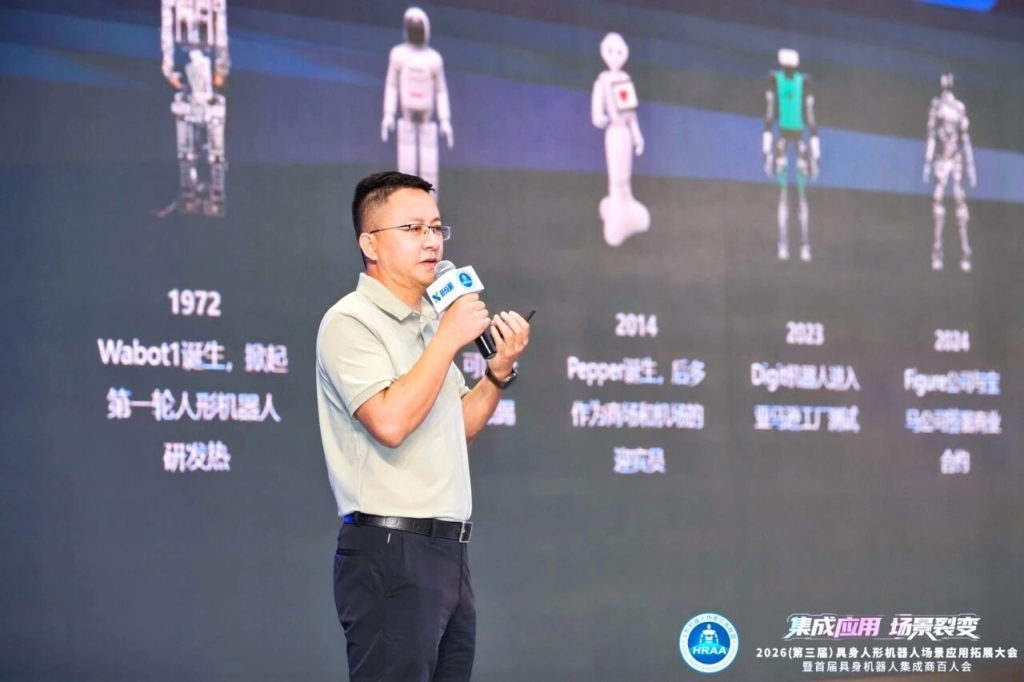
Speaker: Jinke Li, Secretary-general, HRAA
Key Highlights: The humanoid robot industry is currently at a critical juncture, transitioning from “capability demonstrations” to “commercial validation,” yet the depth and breadth of scenario deployment have not kept pace. The core challenge lies in a significant “information gap” and “value mismatch” across the upstream, midstream, and downstream sectors of the industry chain. Therefore, the focus must shift to whether robots can genuinely integrate into production, service, and management workflows to generate measurable application value.
BOTSHARE: How to Move from a 10 Billion Yuan Leasing Business to a 100 Billion Yuan Ecosystem?
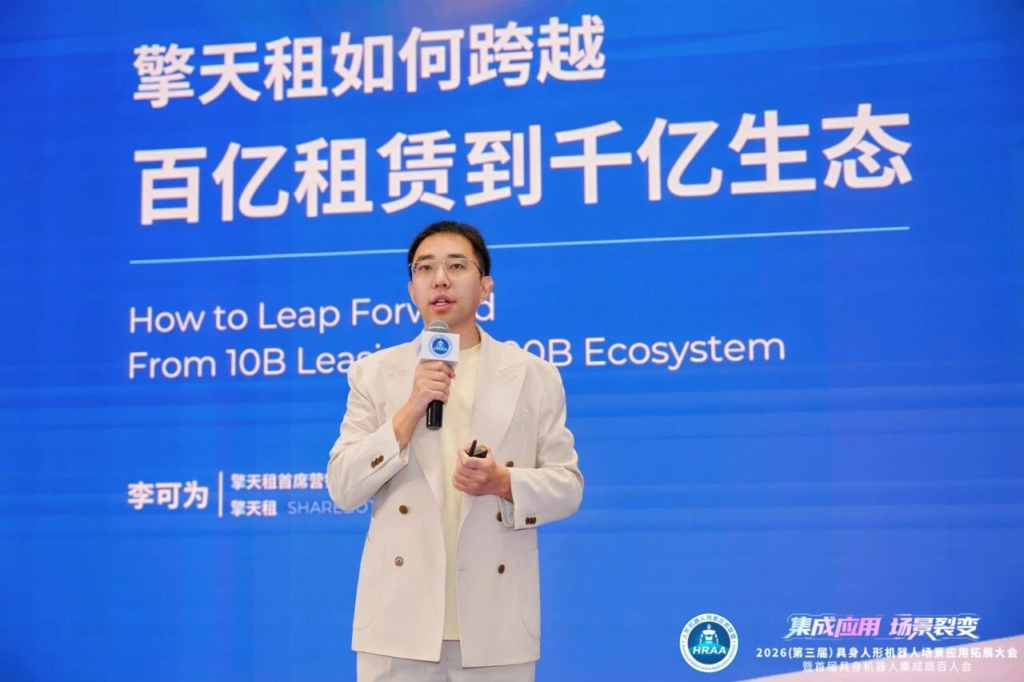
Speaker: Kewei Li, CMO, BOTSHARE
Key Highlights: BOTSHARE leverages a platform-based leasing chain to connect robots, scenarios, and end-to-end services, building RaaS infrastructure for the era of embodied AI. By using a rental model to lower barriers to entry, the company facilitates the rapid deployment and operational use of robots. City partners serve as regional RaaS operational hubs, deeply cultivating local markets. The company aims to continuously explore industrial depth over the long term and expand into diverse, high-level RaaS application scenarios.
Dalian Haosen: Scenarios Define Value: Practical Implementation of Embodied AI Assembly in the Automotive Industry
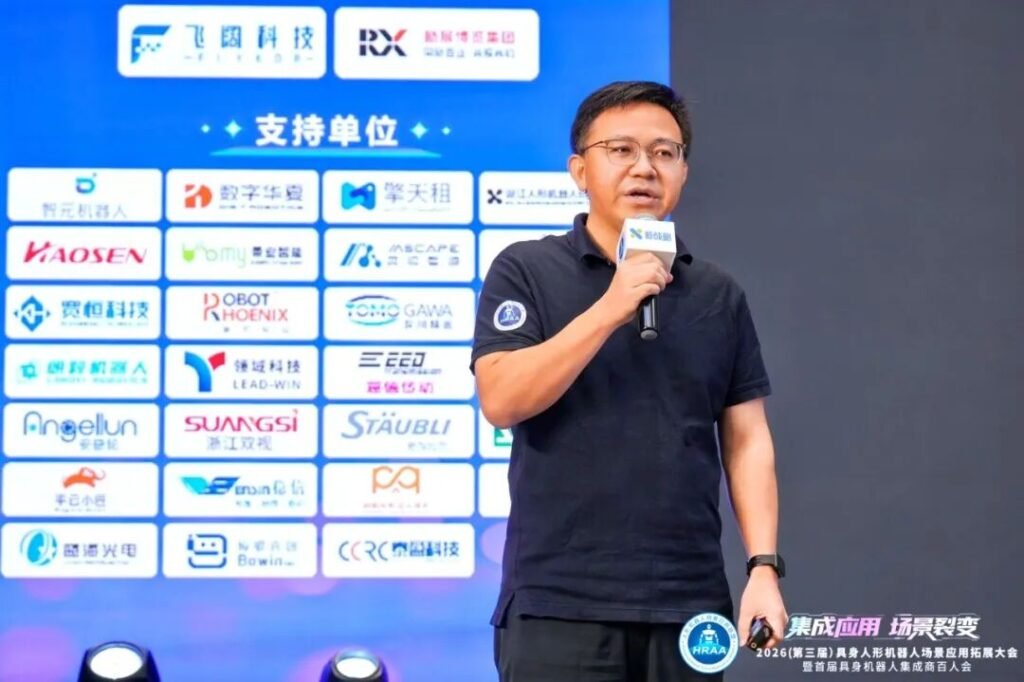
Speaker: Jiong Li, Director of Dalian Haosen Research Institute & General Manager of Haoling Robot
Key Highlights: The automotive industry is a core national pillar. Haosen focuses deeply on the automotive manufacturing sector, specifically on the deployment of embodied AI robots. The company has implemented four key embodied robot solutions for automotive scenarios: flexible loading/unloading of complex-shaped sheet metal with high aesthetic standards, intelligent transport of high-risk precision materials, automatic feeding of micro-precision parts, and intelligent flexible fastening—comprehensively meeting the diverse needs of automakers for flexible production.
DIGIT Robotics: Application Exploration of Embodied Robots in Interaction Scenarios
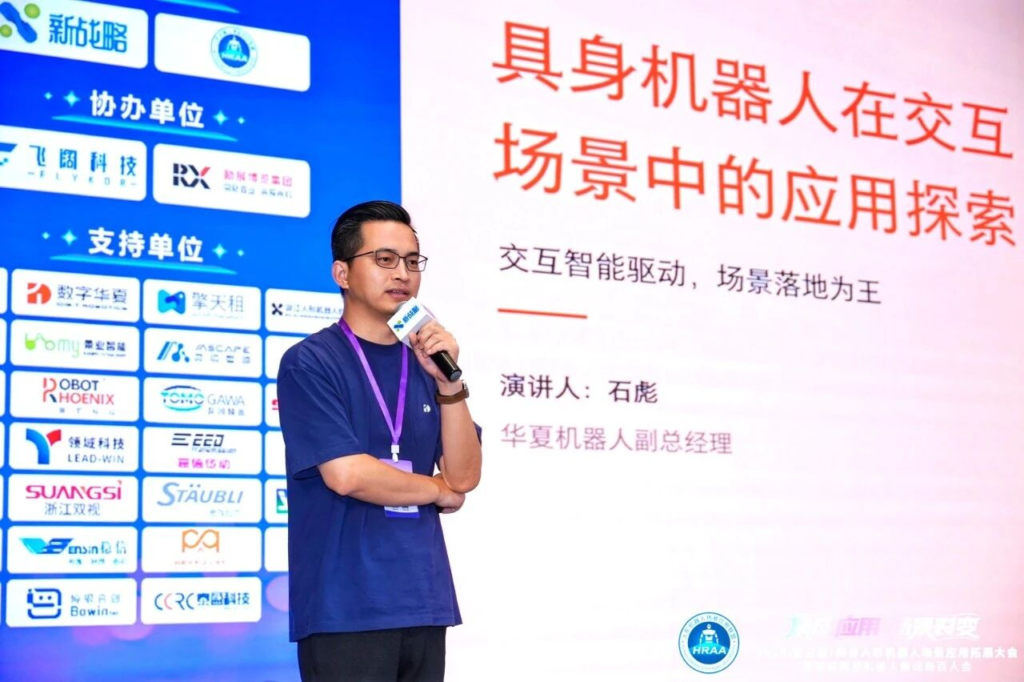
Speaker: Biao Shi, Deputy General Manager of Digit Robotics
Key Highlights: While R&D investment for interactive intelligence is relatively low, the path to commercialization is the clearest, and the humanoid form serves as the optimal vehicle for emotional interaction. Human-machine interaction that conveys “warmth” relies on four integrated capabilities: perception, memory, understanding, and expression. DIGIT Robotics is a humanoid robot enterprise centered on embodied AI, developing human-machine interaction solutions across all scenarios; its product roadmap comprises two platforms and three humanoid robot models, designed to expand into “N” types of practical application scenarios.
Zhejiang Humanoid Robot Innovation Center: SPIRE, A High-Precision, Generalizable Embodied AI Model: Engine for Robotics Applications
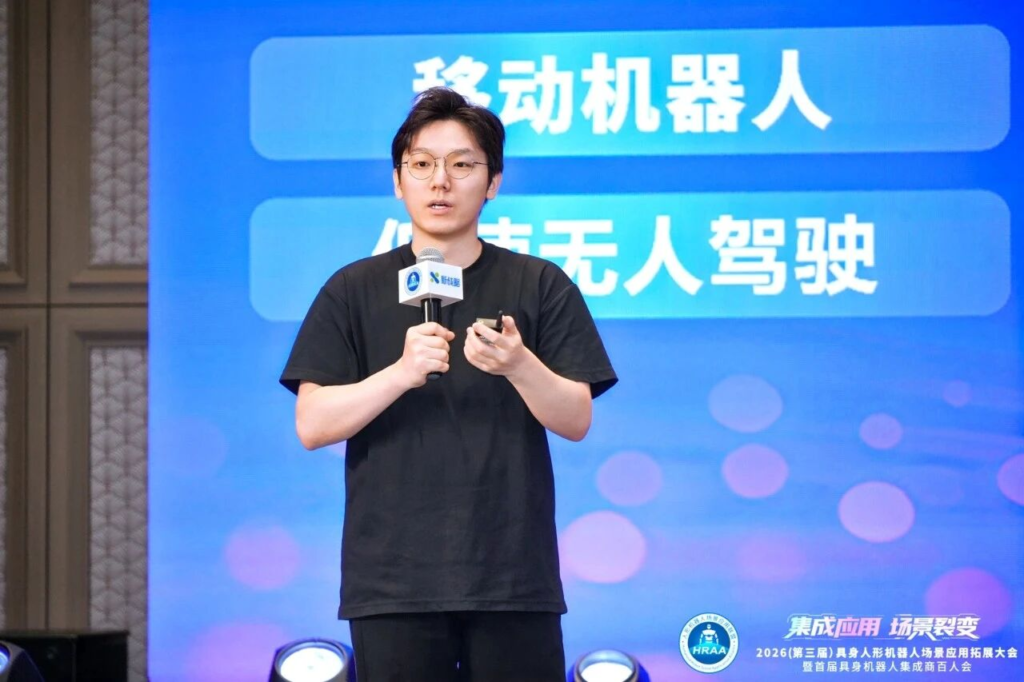
Speaker: Zhongxiang Zhou, Head of Operational Algorithms and Embodied Data Department, Zhejiang Humanoid Robot Innovation Center
Key Highlights: Successful humanoid robot deployment requires meeting five key criteria: generalizability, high precision, high reliability, high efficiency, and low cost. To address this, Zhejiang Humanoid Robot Innovation Center proposed the SPIRE embodied AI architecture, based on four core principles: integrating vision, force, and tactile sensing to anticipate physical interactions; designing robot “brain” and “cerebellum” systems modeled after the human brain’s division of labor; jointly modeling states and behaviors to synchronize the world model with the embodied model; and leveraging complementary data from both virtual and real-world sources.
Flykor: Establishing a New Paradigm for the Deployment and Operation of Embodied AI Scenarios
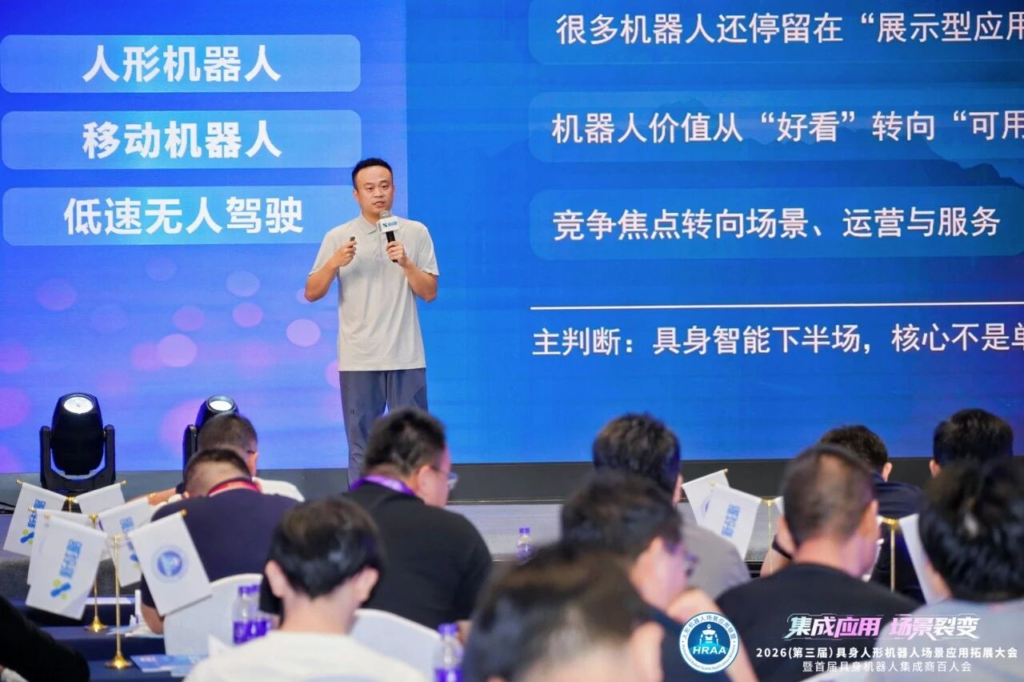
Speaker: Lingpeng Hu, CEO of Flykor
Key Highlights: Although humanoid robots have not yet seen large-scale deployment, the primary bottleneck is not a lack of product technology, but rather the absence of comprehensive, systematic capabilities for actual implementation. Based on this, Flykor positions itself precisely as an expert in the operational deployment of embodied AI scenarios. Leveraging its proprietary platforms (FLY·Tianshu and FLY·Tianxuan), a quadruped robot integration platform, and in-house hardware R&D capabilities, the company has built an integrated core competency model—spanning core components, scenario applications, and aftermarket services—to pioneer a new industrial paradigm that synergizes technology, operations, and services.
CCRC:Real-world Data Acquisition and Training Ground Operations in the Era of Embodied AI
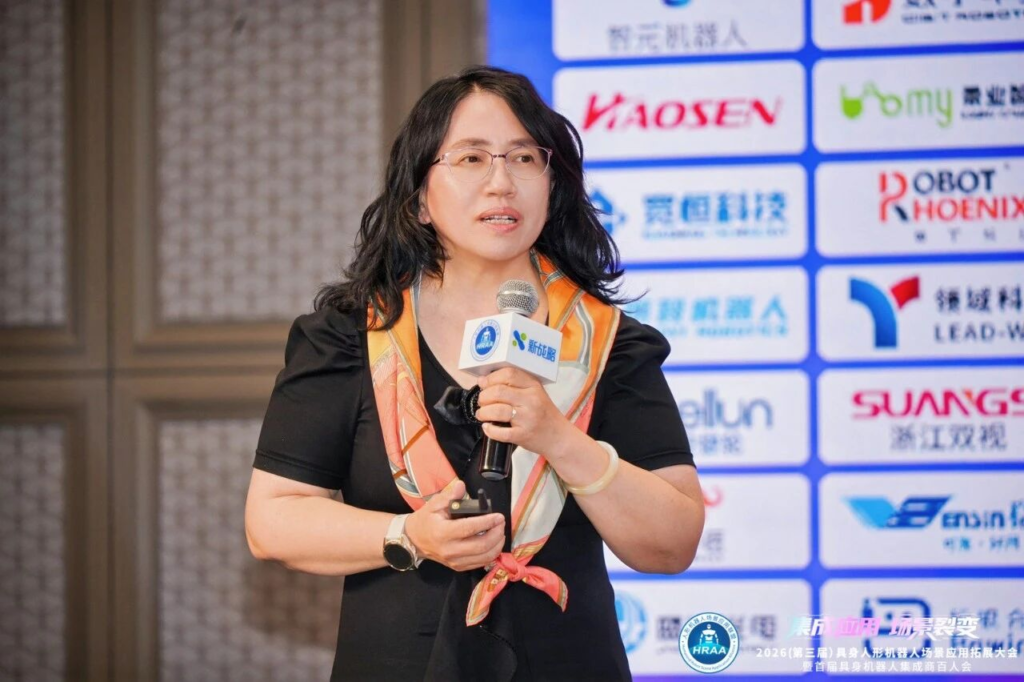
Speaker: Qingbo Zhao, Senior Vice President of CCRC
Core Highlights: By synergizing three data acquisition methods—UMI, egocentric data acquisition, and real-world data acquisition—CCRC has established a comprehensive data closed-loop for embodied AI. Drawing on 19 years of operational expertise and an extensive ecosystem of government, academic, and corporate partners, the company transcends the limitations of relying solely on self-built scenarios. Through a model based on real-world environments, genuine needs, and proactive collaboration, it supplies a steady stream of high-quality data “fuel” for embodied AI, thereby constructing a robust competitive moat for large-scale technological deployment.
Boomy Intelligent: Practice and Breakthroughs in Specialized Robots for High-Risk Scenarios
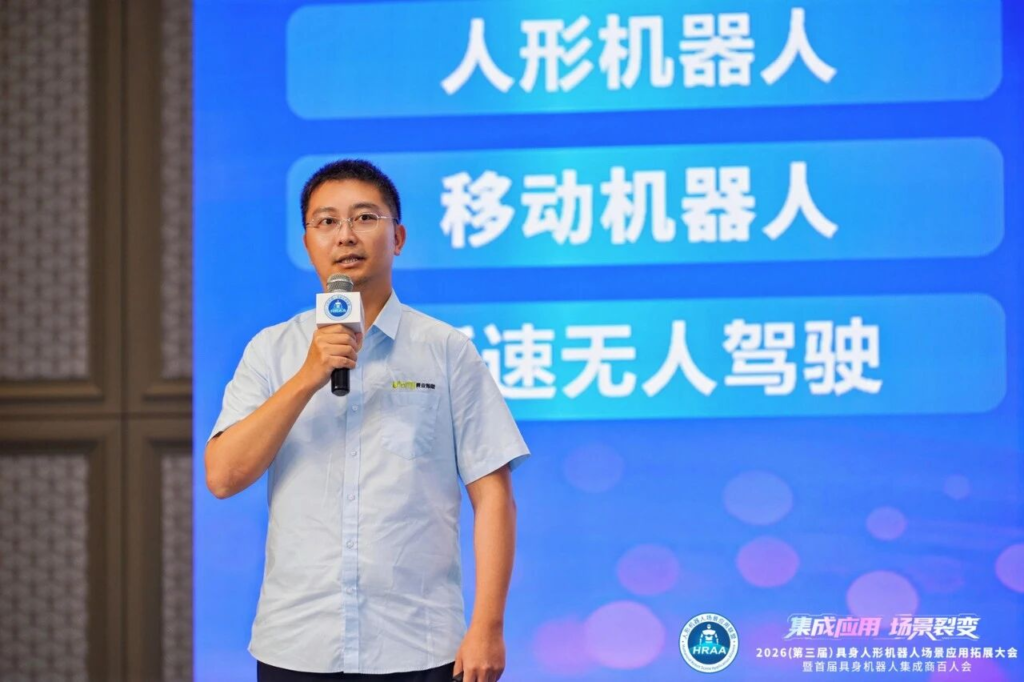
Speaker: Dr Dingcan, Jin, Head of Robotics, Boomy Intelligent
Core Highlights: Aligned with national strategic industrial development and integrating cutting-edge intelligent technologies, Boomy Intelligent focuses on R&D for robots and core technologies in specialized sectors. Its business spans the nuclear industry, defense, and civil sectors. Its core product portfolio includes inspection quadrupeds, dual-arm maintenance robots, and explosion-proof specialized robots, while also exploring the application of humanoid robots in high-risk, specialized environments.
Kuanheng Technology: Computing Power + Foundation Models Unlock New Applications in Embodied AI Scenarios

Speaker: Jing Qiao, Director of Frontier Technology Research Institute, Guangzhou Kuanheng Information Technology
Core Highlights: Large model technology is essential for the practical deployment of embodied AI, yet the efficient operation of embodied large models relies on powerful computing support. The rapid growth of the embodied robotics industry has generated unique, specialized demands for computing power. Addressing this industry pain point, Kuanheng Technology has launched an end-to-end embodied AI solution comprising a cloud computing platform, R&D toolchains, software stacks, hardware optimization, and hardware infrastructure.
MSCAPE: MSCAPE Embodied AI Brain: From Technical Challenges to the Commercialization of Domestic Products
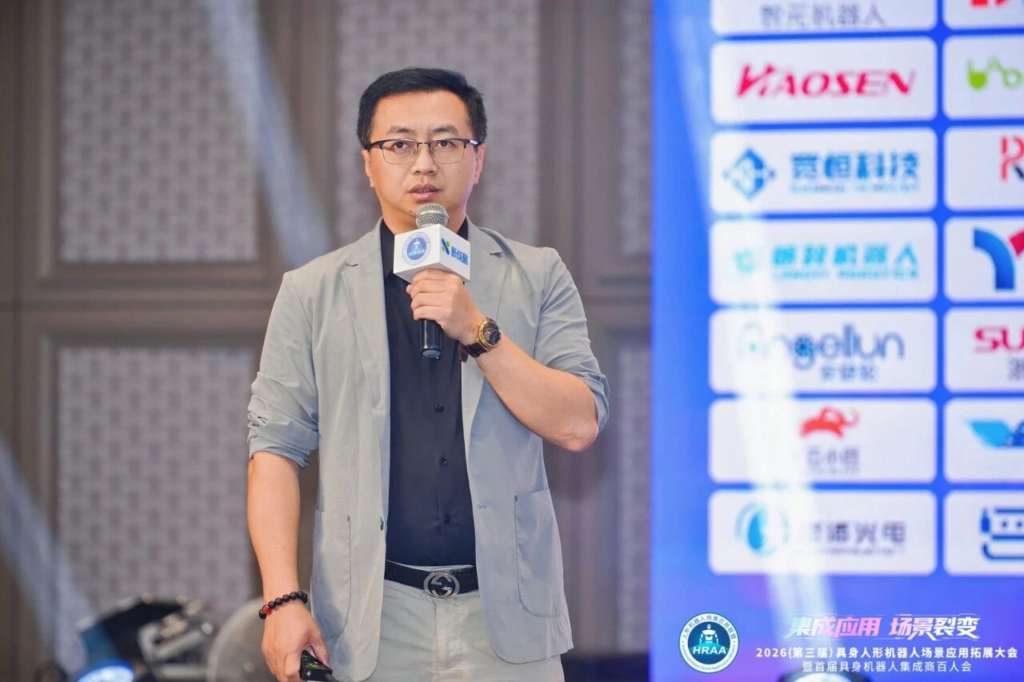
Speaker: Haijiang Xu, Co-founder and VP of MSCAPE
Key Highlights: The embodied AI industry currently faces a common dilemma: “bodies are becoming stronger, yet the AI brains remain dormant.” MSCAPE has created a “three-in-one” AI brain foundation—comprising specialized chips, an OS, and models—to launch a domestic solution that fills a global technological gap. It has built a benchmark product matrix for embodied AI brains with a dual-track strategy: the “MScape N-series” establishes a fully compatible, scenario-agnostic computing matrix that adapts to mainstream hardware for rapid deployment; the “MScape T-series” achieves a fully autonomous and controllable software-hardware stack, defining next-generation robot AI brain standards through proprietary architecture while balancing immediate deployment compatibility with long-term technological autonomy.
RobotPhoenix: The Core of the ODM Humanoid Chassis: Flexibility, Compatibility, and Universality
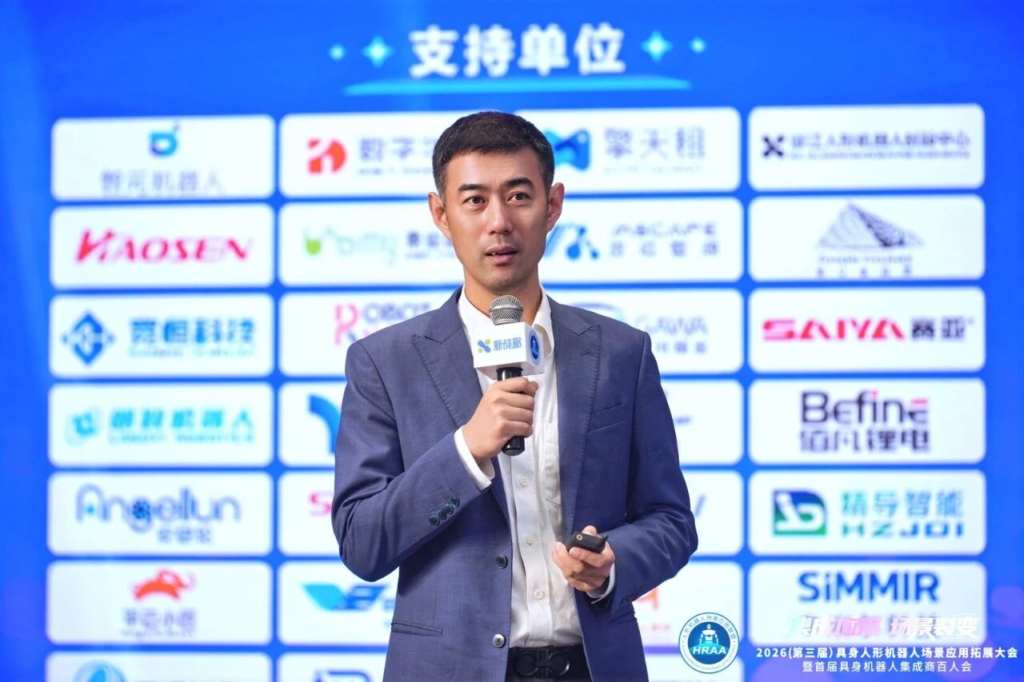
Speaker: Xu Zhang, CEO of Mobile Robotics Division, RobotPhoenix
Key Highlights: RobotPhoenix focuses on the R&D of ODM humanoid chassis, with core strengths centered on flexibility, compatibility, and universality. “Flexibility” signifies top-tier motion performance; “compatibility” allows for adaptation to mainstream controllers from various brands; and “universality” aligns with the trend of industry convergence, offering comprehensive safety solutions and multiple battery options while supporting the free combination of chassis, torso, and robotic arms. Leveraging a mature ODM model, RobotPhoenix aims to become a leading, professional, and reliable contract manufacturer of humanoid chassis for the embodied AI era.
Agibot: Embodied AI Ushers in a New Era of Industrial Productivity
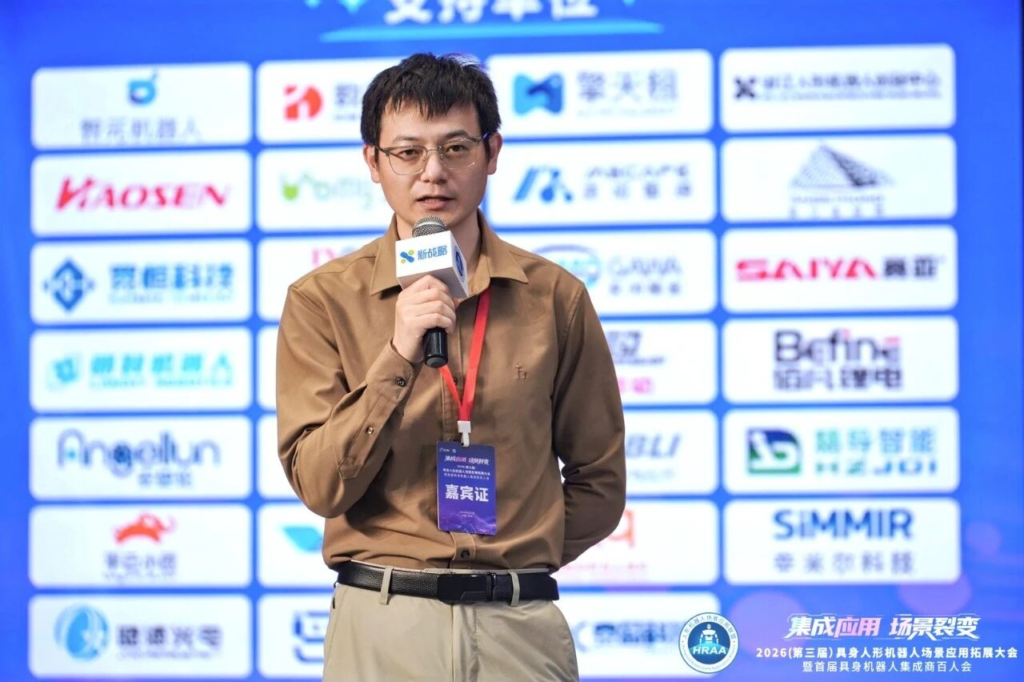
Speaker: Xiangang Lu, General Manager of Industrial Systems Division & Vice President, Great China, AGIBOT
Key Highlights: Embodied AI robots serve as the core vehicle for the “Physical AI” era, with industrial settings poised to be the first sector to achieve large-scale deployment of humanoid robots; 2026 is expected to mark the inaugural year for the mass industrial deployment of humanoid robots. Agibot has launched a range of mature, deployment-ready solutions covering four major application scenarios: production line loading/unloading, industrial material handling, logistics sorting, and security inspections.
Elevator Pitches
HZJDI: The “Critical Period for Mass Production” in the Robotics Industry: A Perspective from the Components Sector
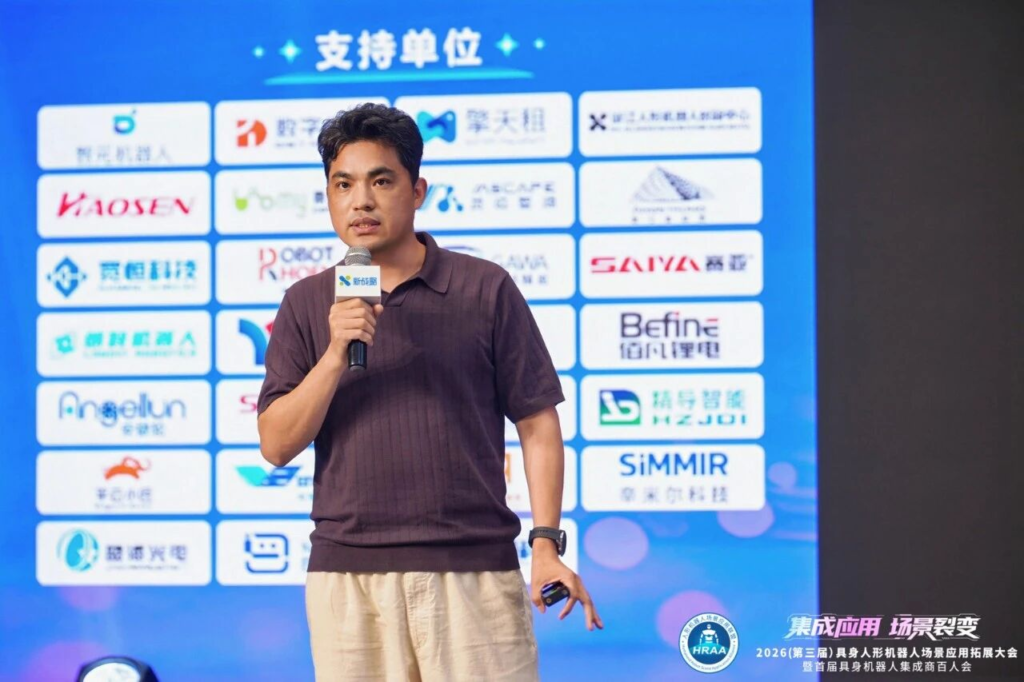
Speaker: Haiwei Zhi, Deputy General Manager of HZJDI
Key Highlights: As the industry enters a critical phase for mass production, hardware must be robust enough to handle the demands of real-world scenarios and intensive algorithmic processing. HZJDI positions itself as a provider of joint module solutions dedicated to real-world applications and solving practical industry challenges. Its entire product line is built around four core objectives: suitability for real-world scenarios, support for mass production, cost-effectiveness, and long-term stability and reliability.
Pingyun Craftsman: From Pilot Validation to Scaled Replication: Delivery Challenges in the Industrialization of Embodied AI
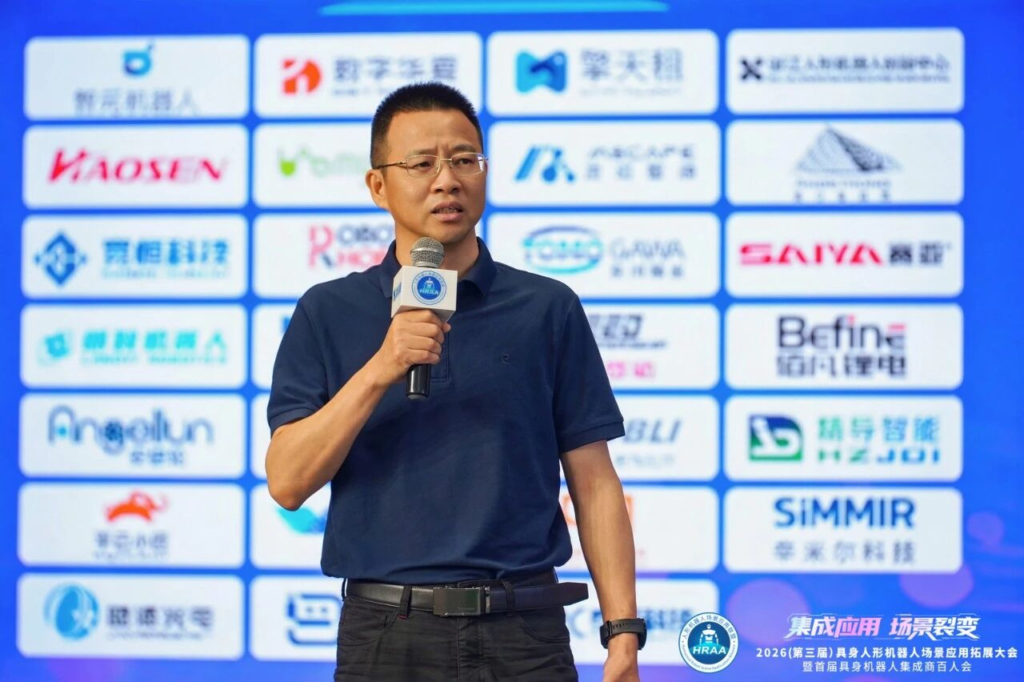
Speaker: Yeqing Zhang, Chairman of Pingyun Craftsman
Key Highlights: Pingyun Craftsman is a leading domestic provider of comprehensive after-sales service solutions for a wide range of intelligent equipment. Serving manufacturers of embodied AI robots, operators, and system integrators, the company has established a nationwide, one-stop after-sales maintenance and operations service system, streamlining maintenance workflows for various types of intelligent equipment and embodied robots post-deployment.
SiMMIR: Enabling Embodied Omnipresent Perception: Technology Practices in Data Acquisition, Visual Perception, Auditory Perception, and Edge AI
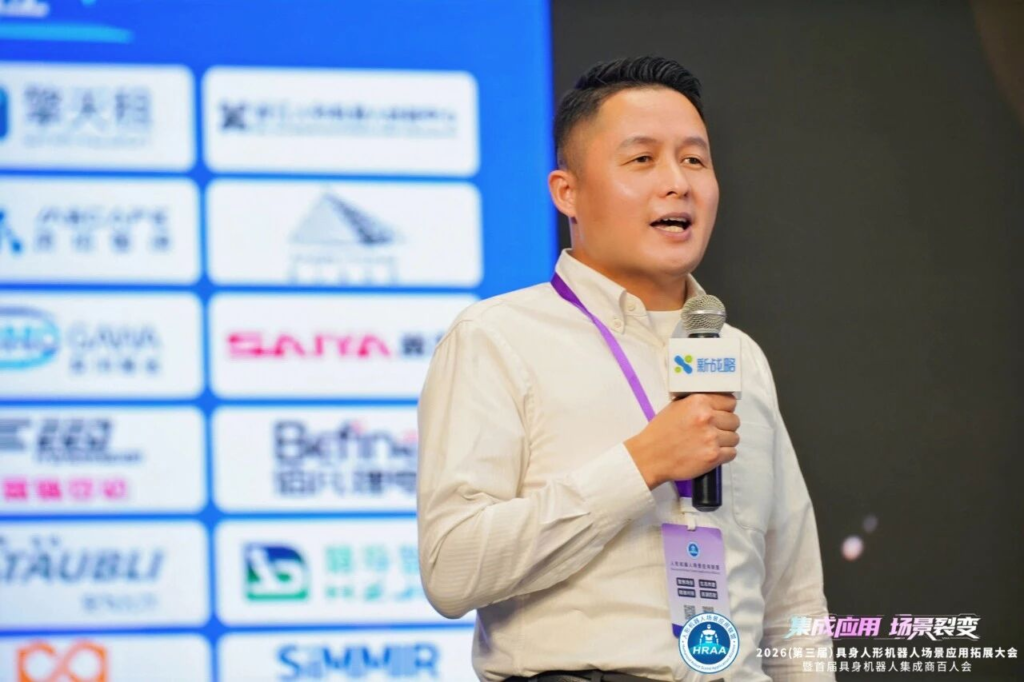
Speaker: Jiankang Xuan, Director of Robotics and Consumer Electronics Industry, SiMMIR
Key Highlights: SiMMIR empowers comprehensive perception systems for embodied AI, focusing on the practical implementation of core technologies such as data acquisition, machine vision, acoustic sensing, and edge AI. The company has built a full-stack “sensing-and-computing integration” technology system to reconstruct the underlying hardware foundation for generalized embodied AI. Its core products include spatial computing perception clusters, distributed multimodal flexible sensing matrices, and the SAIP platform for multidimensional spatial data acquisition and cleaning.
Conclusion:
HRAA established an open and efficient platform for communication and collaboration across the industry chain at the conference, further fostering deep alignment among end-users with specific scenario needs, technology providers, and system integrators.
As the event organizer, HRAA will continue to serve as a vital link, promoting the sharing of scenario resources, the promotion of application cases, and the development of the industry ecosystem. With more enterprises joining the drive for scenario innovation and practical application, the humanoid robot industry is rapidly advancing toward a new stage of large-scale deployment.
The ROBOTECH ASIA will be co-hosted by HRAA and Reed Exhibitions from October 27 to 29, 2026 at the Shenzhen World Exhibition & Convention Center. Leveraging this partnership, the two parties aim to bridge the entire value chain of embodied AI robots—spanning from technology R&D and application scenario requirements to industrial implementation—thereby fostering the high-quality development of the embodied AI industry.