With technological maturity, favorable policies, and surging market demand, the low-speed autonomous vehicle industry has rapidly transitioned from the “pilot testing” phase to the “mass production” phase. Particularly in the past one or two years, orders for thousands of autonomous vehicles have emerged frequently. From the industrial manufacturing end to end-users in various scenarios, mass production and deployment at the thousands-unit scale have become a prevailing trend.
Amid exponential growth in order volumes, industry leaders are ramping up investments and expanding production bases, sparking an unprecedented wave of capacity expansion across the sector. According to incomplete statistics from China Low-Speed Automated Driving Industry Alliance (LSAD), over 10 Chinese autonomous vehicle companies have announced new or expanded production facilities since 2025, with total investments reaching tens of billions of yuan.
NEOLIX
In February 2025, NEOLIX secured a 300 million yuan investment led by Zhangzhou High-Tech Zone to acquire land and construct a smart manufacturing base in the zone. In the same month, the company broke ground on its autonomous vehicle headquarters and R&D production base in Tonglu Economic Development Zone, with a total investment of 2 billion yuan. In January 2026, NEOLIX launched two projects in Qingdao: a low-speed autonomous vehicle project in Laoshan and an autonomous vehicle production base in Laixi. The projects are expected to be completed and operational by the first half of the year, with an annual production capacity of 20,000 units upon full production.
As of now, NEOLIX has five major production bases located in Changzhou, Yancheng, Anyang, Ziyang, and Tonglu, with an actual annual production capacity of approximately 40,000 to 50,000 units and a planned annual production capacity exceeding 100,000 units.
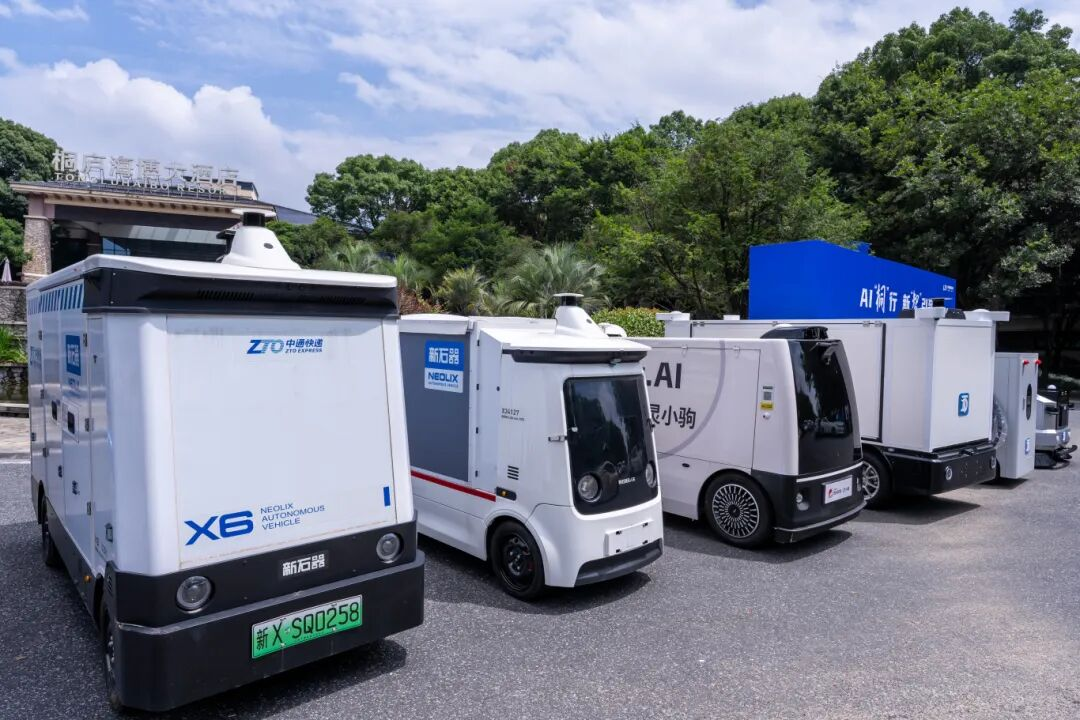
Zelos
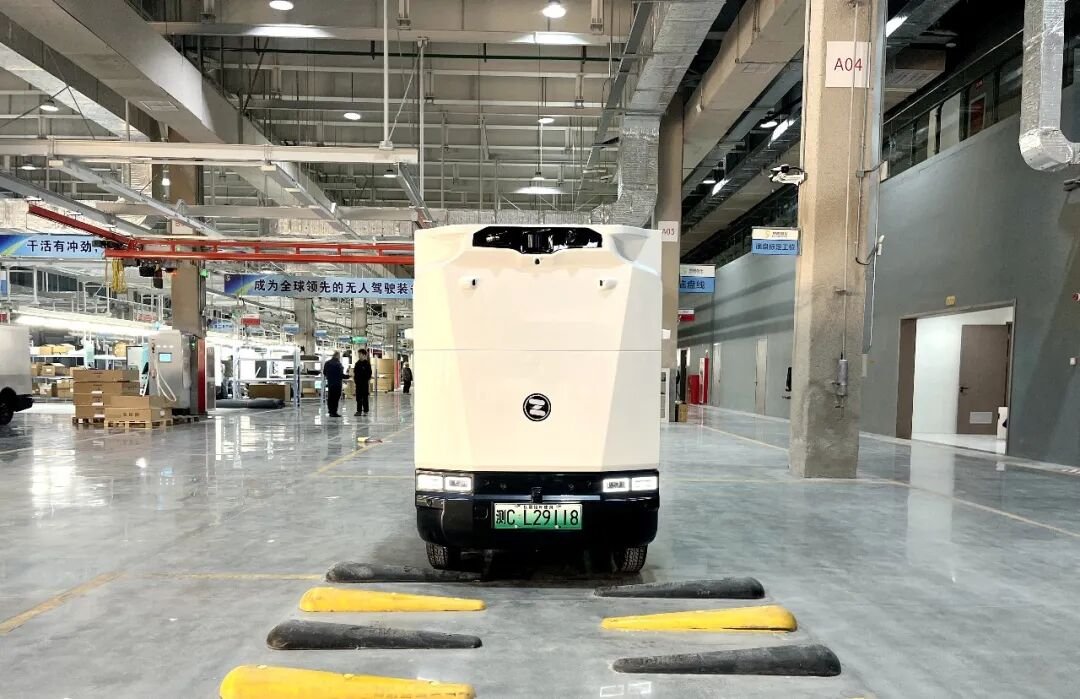
In September 2025, the Southwest Regional Production Base of Zelos (Zigong Base) completed its first-phase stable operation. Covering nearly 10,000 square meters, the facility includes production workshops, office buildings, and testing grounds. With a planned annual capacity of 3,000 units and a total investment of approximately 5 billion yuan, the base will achieve an annual output of 20,000 autonomous vehicles upon full completion. It will serve as Zelos’ smart manufacturing hub, expanding its presence in the Southwest region and entering the global market.
According to reports, with the launch of production bases in Jiaxing and Huai ‘an, along with full-scale expansion of collaborative facilities in Huzhou, Xuzhou, Nanjing, and Taizhou, Zelos’ annual production capacity has exceeded 50,000 units. The company expects to reach 100,000 units per year upon completion of all construction projects by 2026.
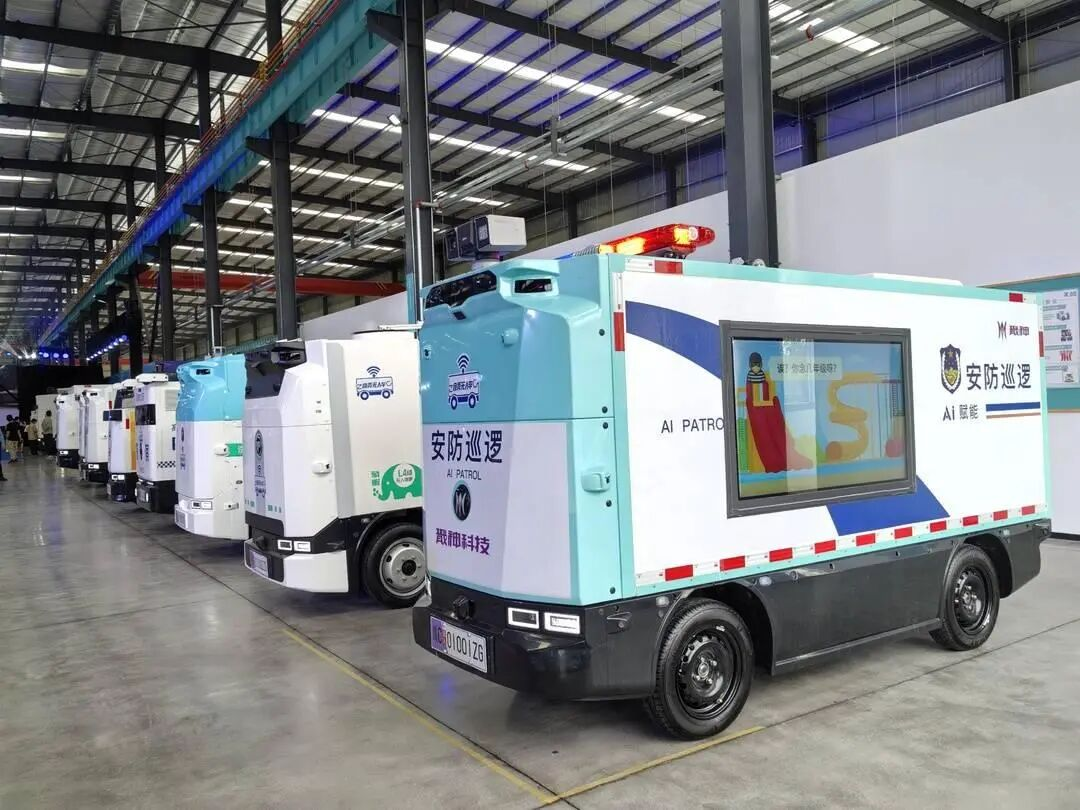
COOWA
In January 2025, COOWA submitted a filing for the “Annual Production Expansion Project of 1,000 New Energy Intelligent Sanitation Robots” at the National Robot Industrial Park in Jiujiang Economic Development Zone, Wuhu City. The plan involves utilizing 9,000 square meters of factory space and acquiring equipment such as CNC machine tools and machining centers, with projected annual sales revenue of 150 million yuan upon full production capacity.
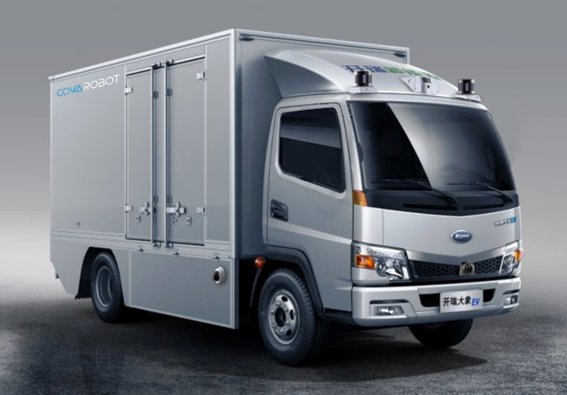
Additionally, its production base in Bozhou-Wuhu Modern Industrial Park continues to optimize production processes to expand output for autonomous sanitation robots and commercial vehicles. The project, with a total investment of 1 billion yuan and a construction area of 10,000 square meters, is expected to generate 10 billion yuan in annual output value upon completion.
In February 2026, COOWA unveiled the “COOWA AI Sanitation Robot Industrial Base Project” plan in Hangzhou’s Qiantang District, covering 12,012 square meters of land with a total floor area of 48,062 square meters. The development includes a 14-story factory building and supporting facilities, focusing on research and production of sanitation robots.
Public records indicate that COOWA’s operational production bases in Wuhu, Taizhou, and Bozhou collectively plan an annual capacity exceeding 12,000 units.
Saite Intelligence
In October 2025, Saite Intelligence officially inaugurated its new headquarters in Zhongluotan Town, Baiyun District, located within the Guangzhou Rail Transit Equipment Industrial Park. With a total investment of 800 million yuan and covering 50 mu (approximately 3.3 hectares), the project will achieve an annual production capacity of 12,000 units (sets) upon completion, establishing a “medical + sanitation” robot super factory integrating R&D, testing, smart manufacturing, and global operations.
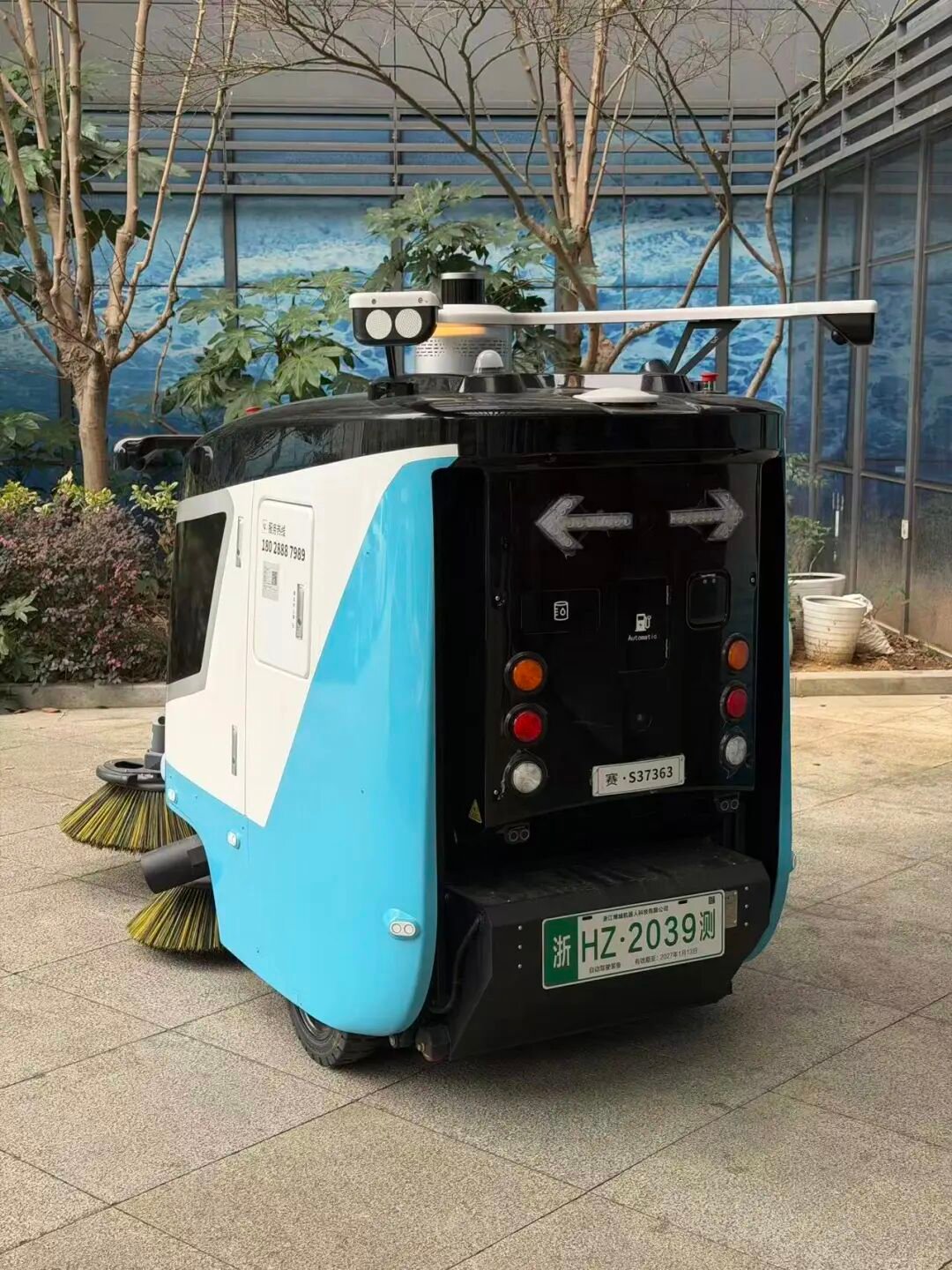
Currently, in addition to the Guangzhou Baiyun production base, Saite Intelligence also operates a production base in Yingtan, Jiangxi Province. Covering approximately 13,000 square meters, this base was initially planned to generate over 1 billion yuan in annual output value and has already achieved large-scale production of multiple products including intelligent medical robots and autonomous cleaning vehicles.
EACON
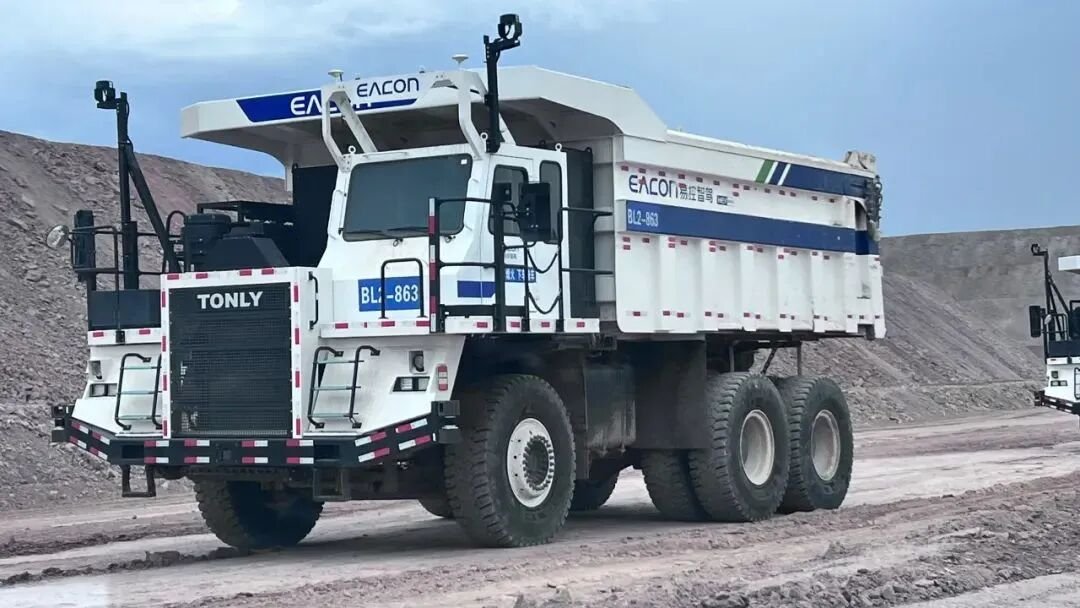
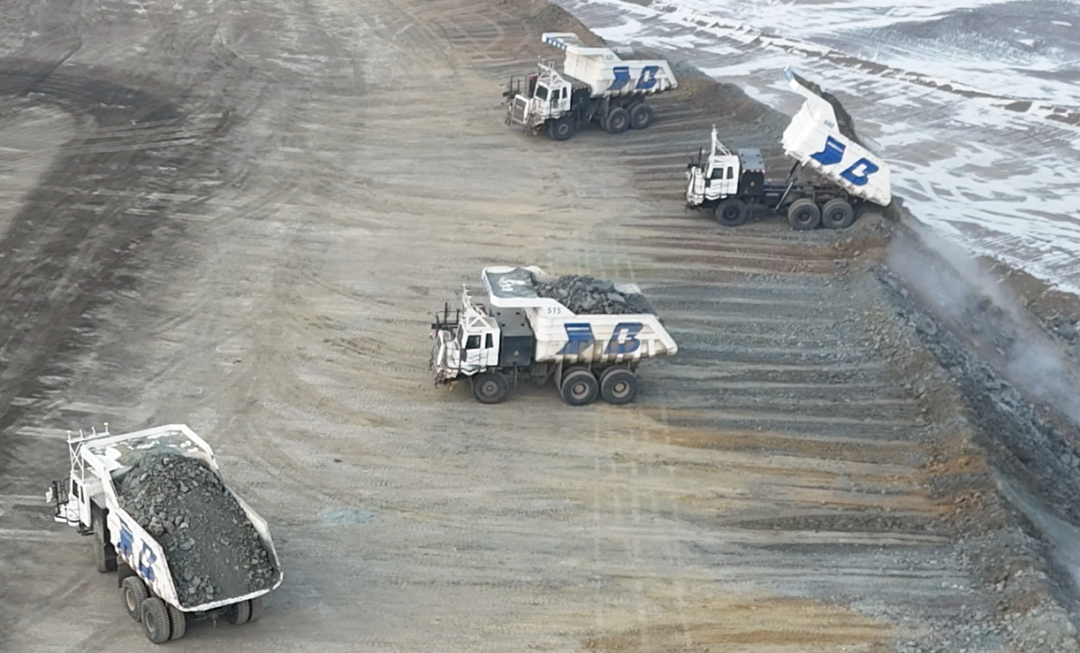
On October 16,2025, EACON officially launched its Intelligent Manufacturing Center at Hi-tech Future Sci-Tech Park in Zhengzhou High-Tech Zone. As the company’s first integrated “R&D + production” base in Zhengzhou, it focuses on the production and R&D of intelligent mining truck kits, building four core product lines: smart equipment boxes, domain controllers, collaborative operation systems, and perception-vibration support systems.
Upon full production capacity, the center is expected to achieve annual output of 24,000 domain controllers, 4,500 smart equipment boxes, 1,000 collaborative operation systems, and 6,400 perception-vibration support systems, capable of supporting 1,000 inspection vehicles and 4,500 autonomous mining trucks.
Boonray
Boonray will commence construction and renovation of its production and testing center in Huzhou, Zhejiang Province in 2025. Covering 8,800 square meters, the facility will primarily produce and test Boonray Electric Cow series mining trucks, responsible for assembling autonomous driving systems, integrating line control components, and pre-installing algorithms, with an annual production capacity of 300 units. The base is scheduled to begin operations in 2026, aiming to enhance independent production capabilities and achieve deep integration of “vehicle + algorithm + operation.”
Notably, in January 2026, Boonray stated in its prospectus that it would gradually expand production capacity through the expansion of its Huzhou base and potential new facilities to support its business growth plans.
In January 2026, Boonray announced plans to establish its first proprietary R&D and production base in Longgang, Zhejiang, dedicated to manufacturing electric unmanned mining trucks. The new base will undertake comprehensive vehicle development, production, and core system integration tasks, expected to attract upstream and downstream suppliers such as battery, motor, and LiDAR manufacturers, filling the local gap in new energy commercial vehicle manufacturing.
MINIEYE
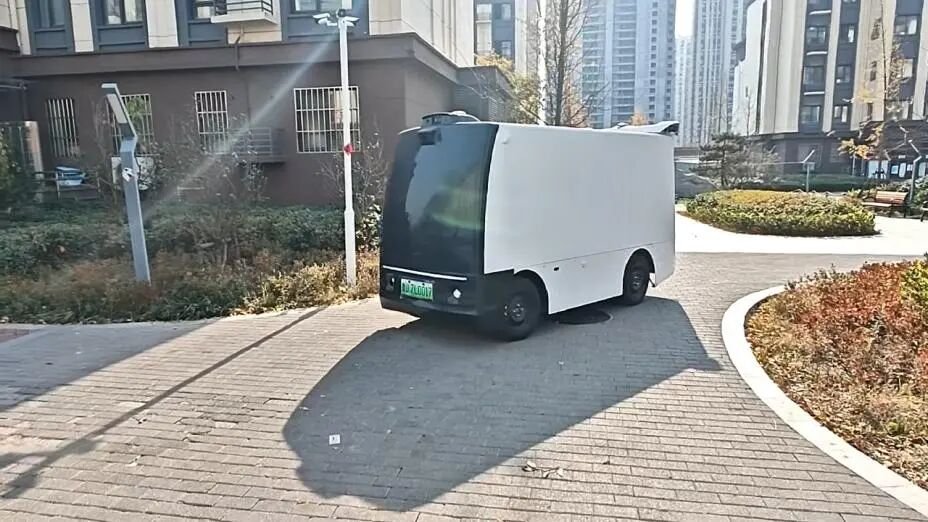
On September 15, 2025, MINIEYE announced the launch of its “Bamboo Unmanned Vehicle” and revealed that its Southwest Headquarters project would be established in Chengdu Economic and Technological Development Zone. The company also signed a framework agreement for low-speed unmanned vehicle production and sales operations in the region. Under the agreement, MINIEYE will develop a “One Headquarters, One Base, Three Centers” infrastructure in Chengdu, establishing a complete industrial chain from manufacturing to sales and settlement. This strategic move aims to position Chengdu as the core hub for the Southwest region, expanding its influence across neighboring areas and driving large-scale growth in unmanned vehicle business operations.
Jiwei.ai
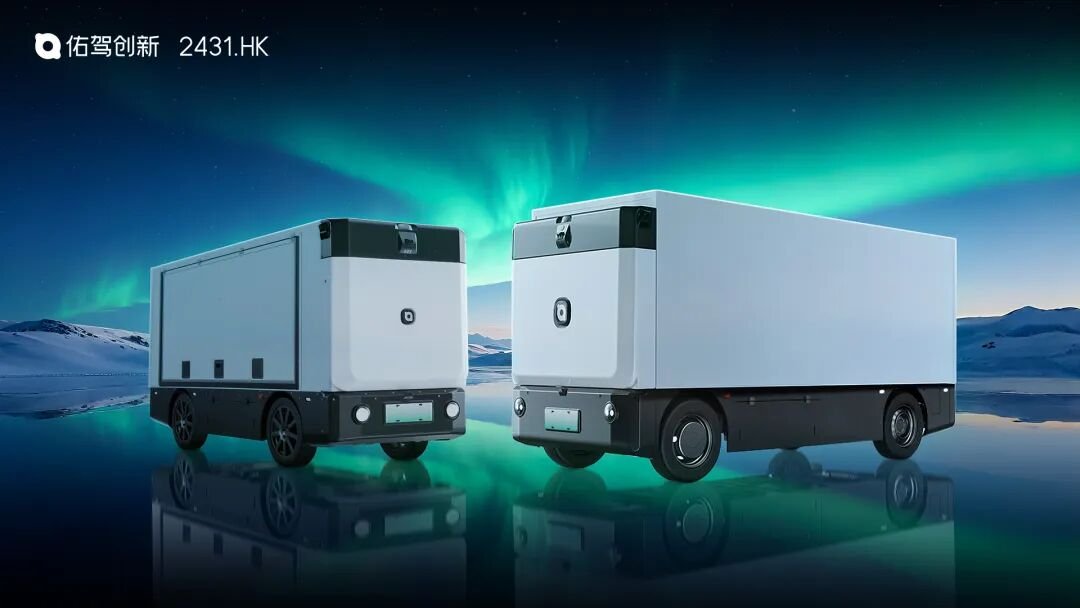
By the end of 2025, neither Jiwei.ai nor Zhaoqing City’s major production zone had reached a strategic cooperation agreement. The company signed an agreement to establish a smart delivery vehicle project in Zhaoqing, planning to build a large-scale production base. This base will integrate production, testing, and R&D functions, aiming to address the bottleneck in mass production capacity for unmanned vehicles and expand its market reach to the Guangdong-Hong Kong-Macao Greater Bay Area and Southeast Asian markets.
According to the plan, the first phase of the Zhaoqing base will be equipped with a vehicle production line, scheduled to commence operations in the second quarter of 2026 with an initial annual production target of 1,000 vehicles. The subsequent self-built factory is expected to begin operations in the fourth quarter of 2027, at which time production capacity will increase to 20,000 vehicles and 30,000 sets of components annually, with an estimated annual output value exceeding 1.5 billion yuan.
Senior
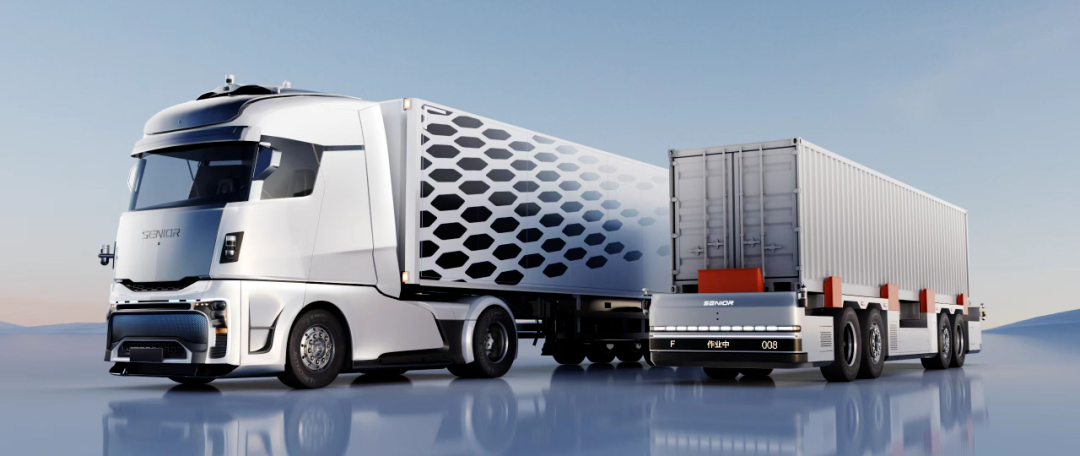
In March 2025, Senior established its presence in Puyuan, launching the construction of an intelligent factory for Senior’s unmanned container trucks and assembly lines. The project is expected to achieve an annual production capacity of 500 intelligent container trucks, unmanned transport robots, and 1,500 sets of intelligent combination controllers. Upon operation, Senior will serve as a hub for the “smart factory” model, facilitating the integration of upstream and downstream enterprises in the industrial chain, creating industrial clustering effects, and advancing Puyuan’s development in the field of intelligent transportation. Together, these efforts will drive the large-scale commercialization of autonomous driving.
ECAR TECH
In October 2025, ECAR TECH’s new factory in Nanjing commenced production smoothly. The company has established a collaborative production model with Shanghai focusing on forward-looking R&D while Nanjing Lishui’s new facility handles mass production. The new production base has already started trial operations, featuring automated production lines capable of manufacturing 20,000 urban service autonomous vehicles annually. According to reports, the second phase of the factory construction will commence in 2026.
VECTOR AGR
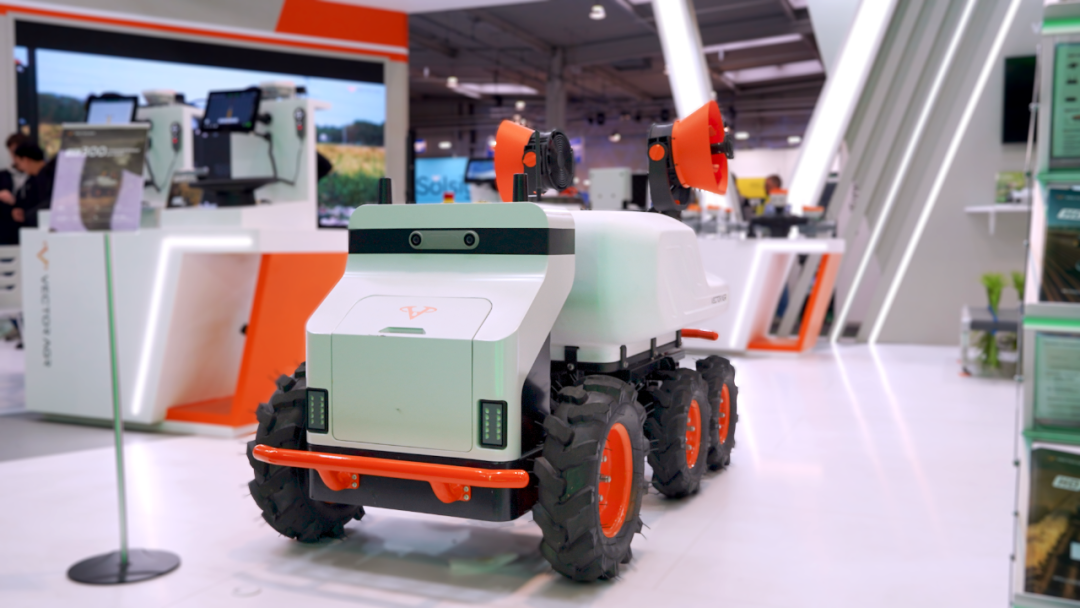
In October 2025, VECTOR AGR signed an agreement with Jiaxing Nanhu High-tech Zone to establish a heavy-load multi-rotor UAV and unmanned vehicle industrial base in Nanhu District. Leveraging the district’s industrial support and business environment advantages, the project aims to create a specialized production base, with an expected annual output value exceeding 1.5 billion yuan upon full production capacity.
Furthermore, its East China Manufacturing Center (flagship plant) in Kunshan is continuously upgrading its autonomous vehicle production line. By investing in smart manufacturing equipment, the facility aims to boost automation from the current 40%-50% to 70% or higher, thereby enhancing production capacity and efficiency to meet the market demand for agricultural autonomous vehicles.
In addition to the aforementioned companies, several firms that secured funding in 2025 publicly announced plans to allocate the funds toward product R&D, production, and capacity expansion.
Conclusion:
The wave of low-speed autonomous vehicle production expansion in 2025 represents not merely a simple capacity increase, but a profound reshaping of industrial landscapes. Strategic deployments by leading enterprises clearly demonstrate two emerging development directions:
Precision positioning in regional strategies: Heavy investments in south and east China, deep engagement in southwest markets. The company’s production capacity deployment is closely tied to core markets. NEOLIX’s dual layouts in Tonglu and Qingdao, Zelos’ base network in Zigong, Fuyang, and Huai’ an, and MINIEYE’s establishment in Chengdu Economic and Technological Development Zone all demonstrate that South and East China, as economically vibrant and policy-open pioneer regions, serve as ideal testing grounds for large-scale implementation. Meanwhile, Southwest China, leveraging cost advantages, industrial support, and regional potential to radiate to Southeast Asia, is emerging as a new hub for production capacity relocation and market expansion. This “coastal innovation, inland manufacturing” framework establishes a nationwide, tiered industrial ecosystem.
The cascading expansion of application scenarios: unmanned delivery takes the lead, with diverse scenarios advancing in parallel. Currently, the primary focus of production expansion remains in the logistics and distribution sector, directly addressing the massive order demands of courier and e-commerce giants that often reach thousands of units. However, the capacity expansion initiatives by companies like COOWA and Saite Intelligence in unmanned sanitation, EACON and Boonray in mining areas, and SINOR in ports, indicate that technology is taking root across industries, forming the core elements of initial economies of scale.
Looking ahead, as planned production capacity is gradually realized, the industry will enter the “delivery validation phase.” The true winners will not be the enterprises with the largest production capacity figures, but those that can efficiently convert vehicles into scenario-based solutions and create commercial value through continuous operations.
This competition, which began with production capacity, will ultimately be a test of deep industry expertise and refined operational execution.
Then, China’s low-speed autonomous driving industry will move from “building cars” to “using cars”, from “demonstration” to “livelihood”, embarking on a new journey truly rooted in the real economy.
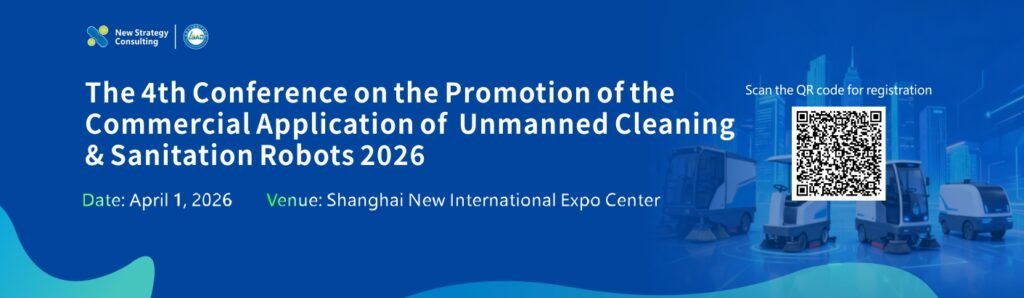
The 4th Conference on the Promotion of the Commercial Application of Unmanned Cleaning & Sanitation Robot 2026 will be held by China Low-speed Automated Driving Industry Alliance (LSAD) on April 1, 2026 at Shanghai New International Expo Center. Stay tuned!