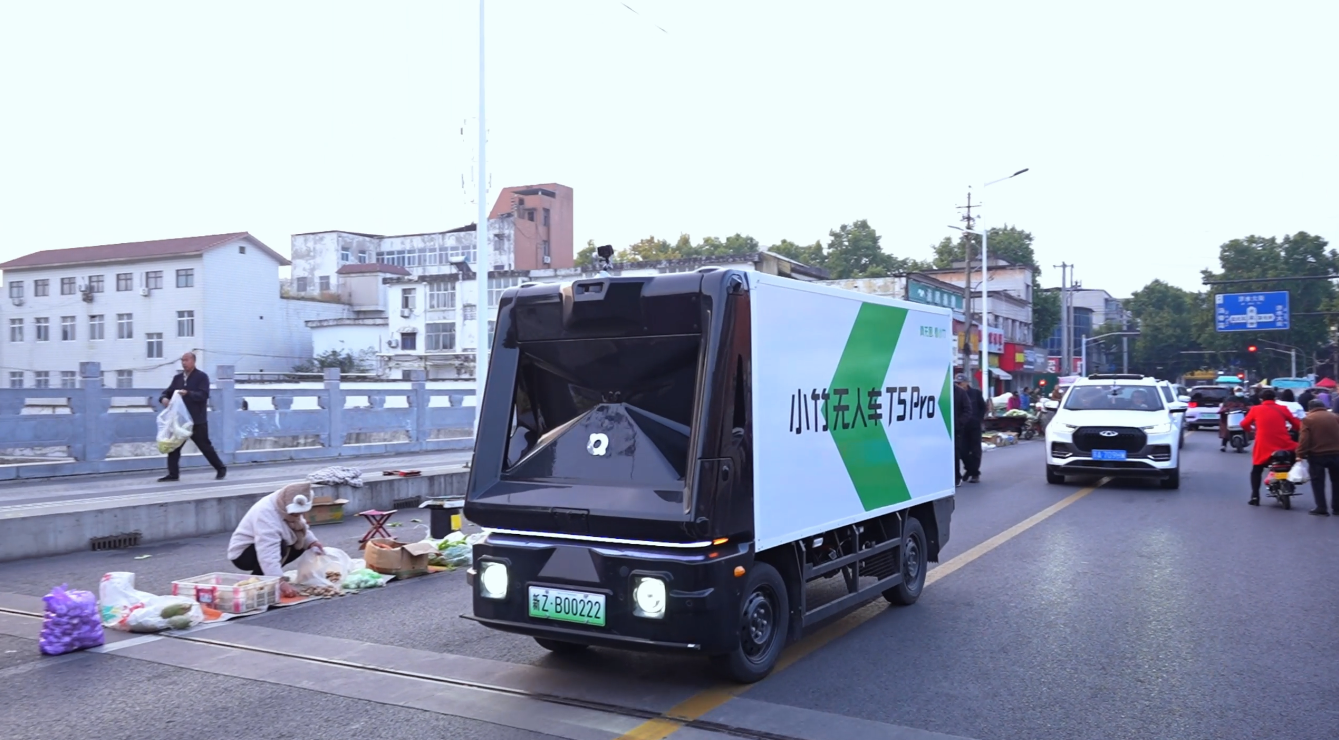
With GA/T 2388-2026 and other new rules in effect, low-speed autonomous driving has moved from “gray operations” toward unified road access and commercial scale. Yet a price war is sweeping the autonomous delivery market.
Early autonomous delivery vehicles cost RMB 300,000–400,000 in hardware and software, with project packages near RMB 1 million. In the past two years, mainstream 5–6 m³ models have fallen to RMB 100,000–150,000 for buyout, and bare vehicle prices to below RMB 20,000. Neolix even offers “0 down payment, 0 interest, 48 installments.” Lower prices have boosted shipments: Neolix and Zelos each passed 10,000 cumulative deliveries in 2025 and 30,000 in 2026; industry annual shipments may exceed 40,000 units.
But deliveries are not stable online capacity, and order growth is not a profit loop.
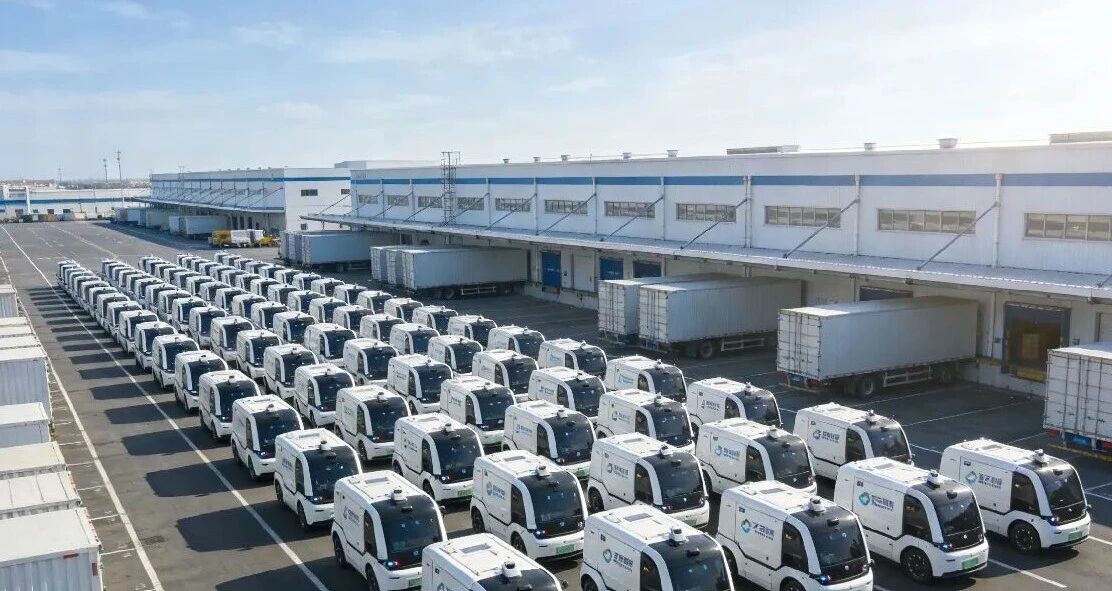
Price Plunge: Tech Dividend and Strategic Loss
Cost cuts come from localized LiDAR and smart-driving chips, plus “mapless + fewer radars” solutions. They also come from capital-driven “price for share.” In China Post’s 7,000-unit procurement, some main suppliers quoted rent as low as RMB 1,300–1,500 per month—below normal levels, even below hardware amortization plus O&M. More deliveries can mean larger short-term losses: the classic “diseconomy of scale” trap in heavy-asset industries.
Sustainable price competition depends not on volume, but on whether depreciation, insurance, O&M and capital costs can be covered.
Heavy-Asset Trap: Cheaper Cars, But not Cheaper Accounts?
Autonomous delivery is moving from light-asset operations to heavy-asset investment. A RMB 20,000 bare vehicle is only an entry ticket. FSD subscription, special insurance, remote monitoring and O&M still make lifecycle costs high.
For a RMB 150,000 vehicle depreciated over four years, daily fixed depreciation exceeds RMB 100. At only 5–10 orders per day, depreciation per order reaches RMB 10–20, higher than manual delivery. Cost advantage appears only above 50 orders per day. In reality, many small operators cannot reach this threshold due to weak dispatch, low charging efficiency, high empty running and short working hours.
The industry is testing three fixes:
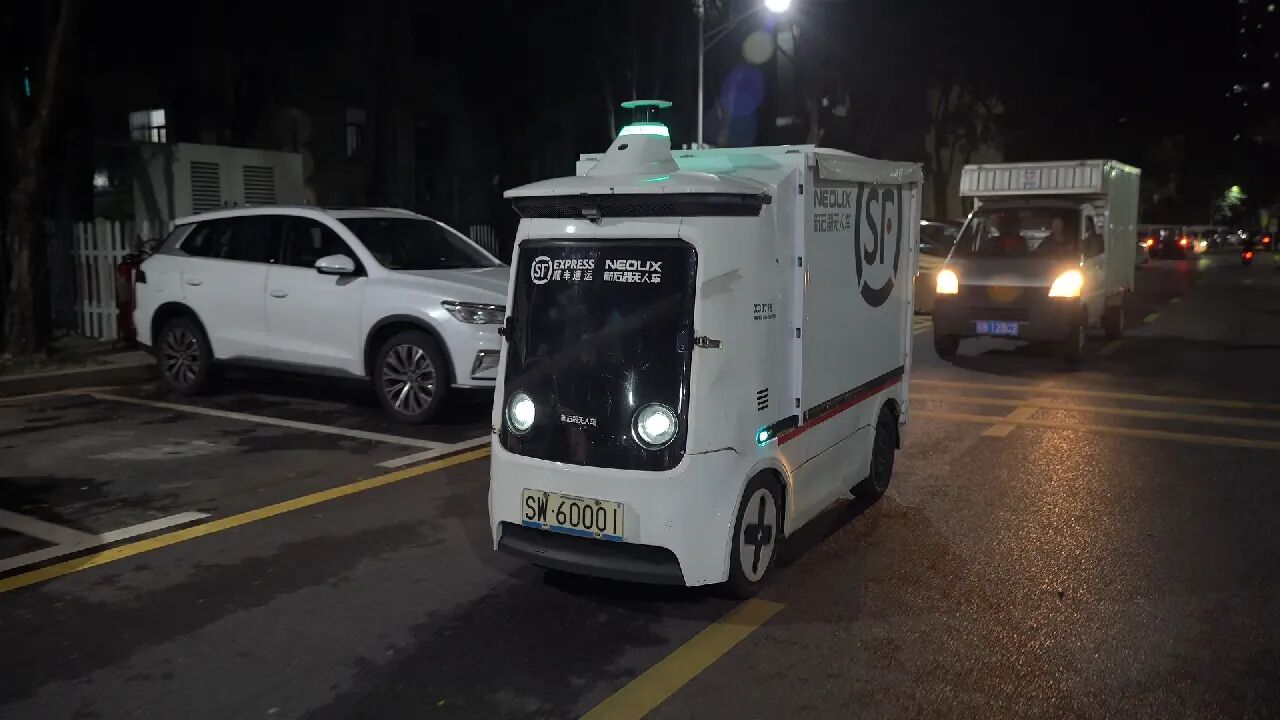
- Night operations extend effective hours.JD Logistics runs autonomous vehicles at night between Longgang and Pingshan in Shenzhen for cross-area line-haul and front-warehouse replenishment. Daily trips rise from 3 to 5, capacity utilization increases by about 66%, and operating cost falls by about 20%. SF Express uses night autonomous shuttles at its Longhua Shengli transfer center in Shenzhen, improving overall flow efficiency by about 20%.
- Smart dispatch raises order density.In Linyi, Yisen Power’s convenience-store case replaced 12 box trucks with 50 unmanned city delivery vehicles shipping from warehouse and covering two stores per trip, reducing empty return runs. Monthly cost fell from RMB 121,000 to RMB 67,500, down about 40%.
- Separate assets from operations.Youjia Innovation and neueHCT set up Yaoxing Dynamics to move heavy-asset production and fleet operations into a new entity. Shenzhen Longgang’s “five-party model” divides work among technology, asset, O&M, commerce and regulation, reducing depreciation pressure on any single party.
The conclusion: a RMB 20,000 bare vehicle is only the entry ticket. What decides survival is whether a sustainable unit economics model can be built on top of low prices.
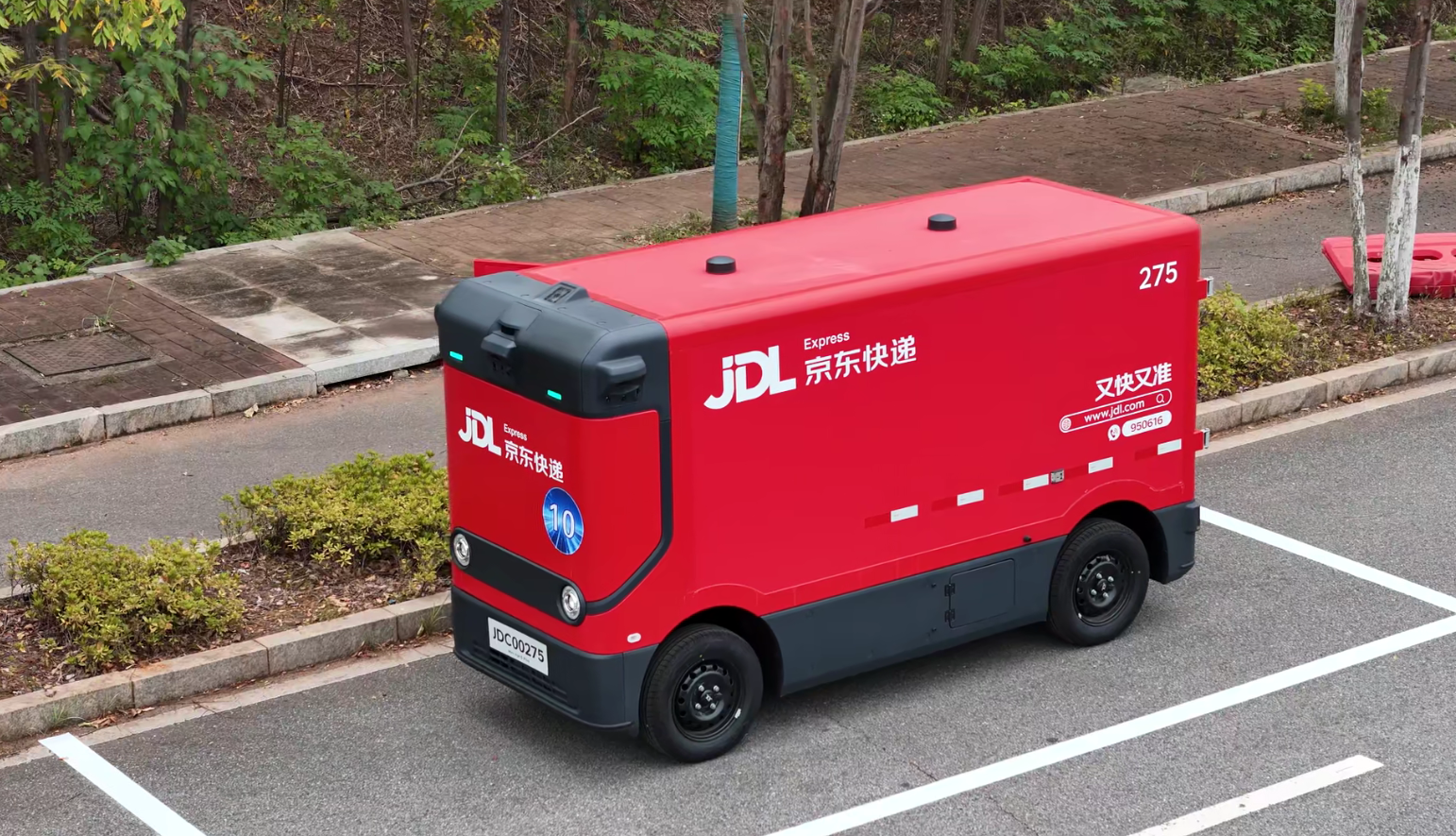
Operations and Road Access: Invisible Ceilings
Technical long-tail issues remain. In rain and snow, wrong-way e-bikes and mixed traffic, delivery robots can still misjudge, fail to recover or route poorly. Viral incidents—two robots “arguing” at an intersection or a map-update failure hitting a bus—also erode public trust.
Road access is the biggest scaling variable. Over 100 Chinese cities have opened routes for autonomous delivery, but rules on operating hours, road scope, filing and liability still differ. Some areas rely on tacit “gray running.” Access determines asset turnover: Shenzhen has shifted some city delivery demand to 22:00–6:00. Only when access moves from point pilots to area-wide opening can million-unit scale have a physical base.
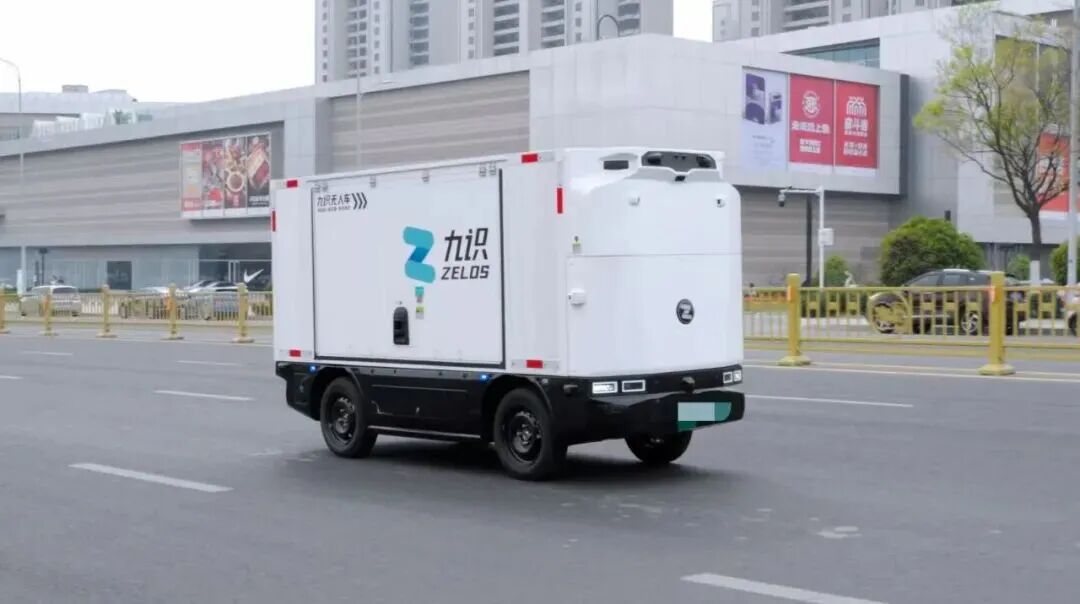
From Price Competition to Operations Competition
Low price is the starting point of maturity, not the end. When hardware profit is compressed, winners are not the cheapest vehicle makers, but ecosystem players with “manufacturing + algorithms + operations.” They must solve automated charging, smart dispatch and centralized O&M; raise daily effective hours, order density and uptime. They must also work with government and the public on road access, liability and insurance.
The drop from RMB 1 million to RMB 10,000 is a hardware repricing. The move from “low-price delivery” to “stable profit” is an operations upgrade. Only companies that respect fundamentals and deepen operations can survive the cycle.