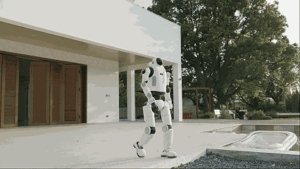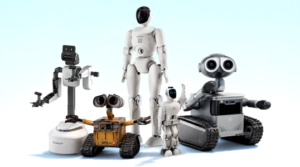
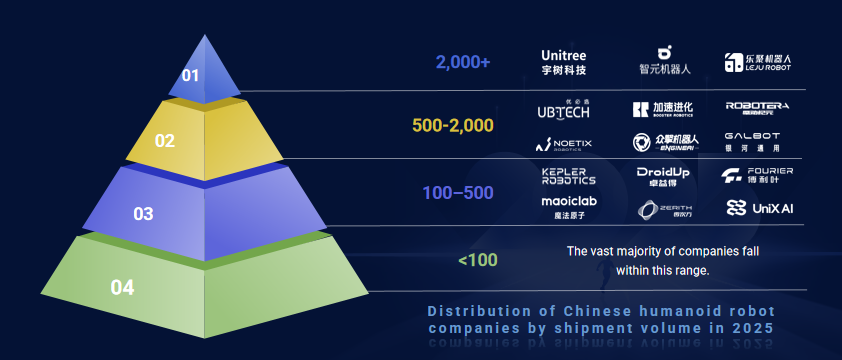
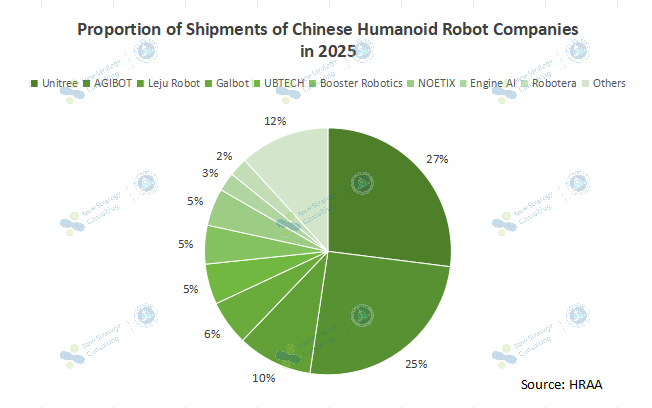
According to statistics from the China Humanoid Robot Scene Application Alliance (HRAA), the shipments of Chinese humanoid robot companies were approximately 20,000 units in 2025. Among them, Unitree and AGIBOT each shipped over 5,000 units, Leju Robot over 2,000 units, Galbot, UBTECH, Booster Robotics, and NOETIX each shipped over 1,000 units, Engine AI and Robotera each shipped over 500 units, and other companies combined shipped over 2,000 units.
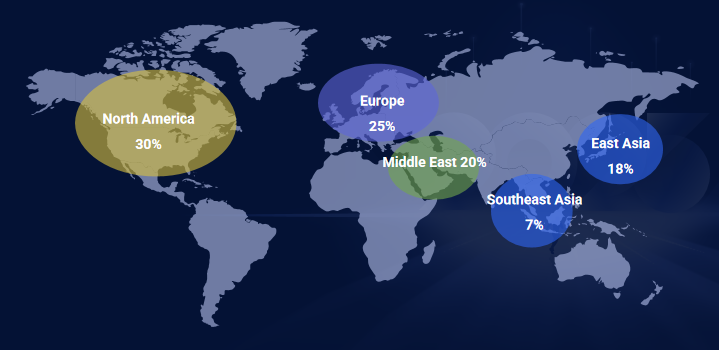
Regarding the export market, approximately 30% of Chinese humanoid robots were sold overseas in 2025. North America accounts for 30%, Europe 25%, the Middle East 20%, East Asia 18%, and Southeast Asia 7% (estimated based on major export destinations and overseas market share).
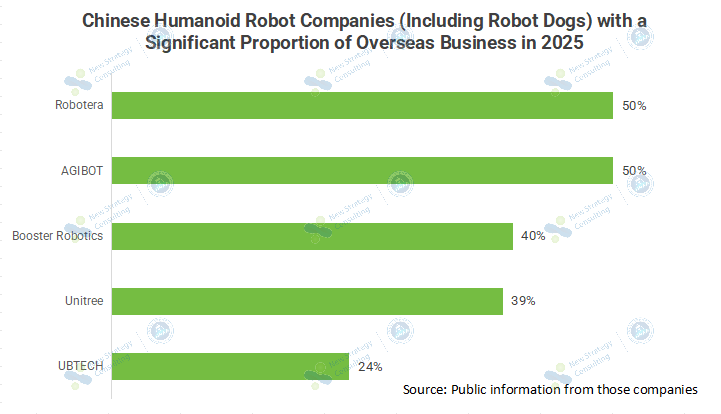
In terms of the proportion of humanoid robot exports, Robotera and AGIBOT are the most prominent, both reaching 50%, Booster Robotics 40%, Unitree 39%, and UBTECH 33%.
Overall, the growth of overseas expansion is mainly driven by three factors: First, the overseas labor force structure is changing rapidly. Against the backdrop of aging populations and labor shortages, companies’ demand for “quasi-general labor” continues to rise. Second, China has significant cost and supply chain advantages in motors, reducers, controllers, and complete machine integration, enabling high cost-effectiveness and rapid delivery. Third, the global manufacturing, logistics, and service industries are facing pressure to upgrade automation and reduce costs, and are accelerating the introduction of more flexible and efficient robot solutions.