On May 21, the “Unmanned Forklift and Wheeled Humanoid Robot Industry Development Conference and the 15th Intelligent Manufacturing Logistics and Warehousing Engineering Conference 2026” was successfully held in Qiantang District, Hangzhou City, Zhejiang Province!
This conference was jointly hosted by the Development and Reform Bureau of Qiantang District, Hangzhou City, the Development and Construction Command of Hangzhou Eastern Bay New City (Inno & Entre Town), the Xinwan Subdistrict Office of the People’s Government of Qiantang District, Hangzhou City, China Mobile Robot Industry Alliance (CMRA) and Humanoid Robot Scene Application Alliance (HRAA). undertaken by Shenzhen New Strategy Media Co., Ltd., and co-organized by the Human Resources and Social Security Bureau of Qiantang District, Hangzhou City, Hangzhou Polytechnic, Zhejiang HCGZ Intelligence Technology Robot Co., Ltd., Hefei Gen-song Intelligent Technology Co., Ltd., KUKA Robotics (Guangdong) Co., Ltd., Hangzhou EED Transmission Equipment Co., Ltd., Shenzhen Zhongzhi Chuangtuo Technology Co., Ltd., and Zhejiang Rebot Technology Co., Ltd., with Elite Intelligent Robot Co., Ltd. serving as the title sponsor.
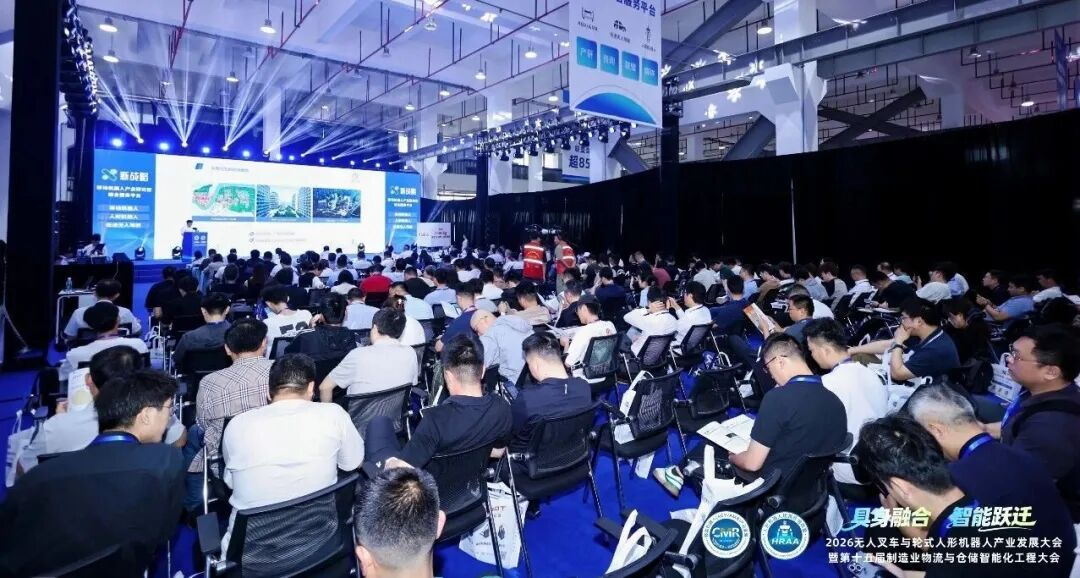
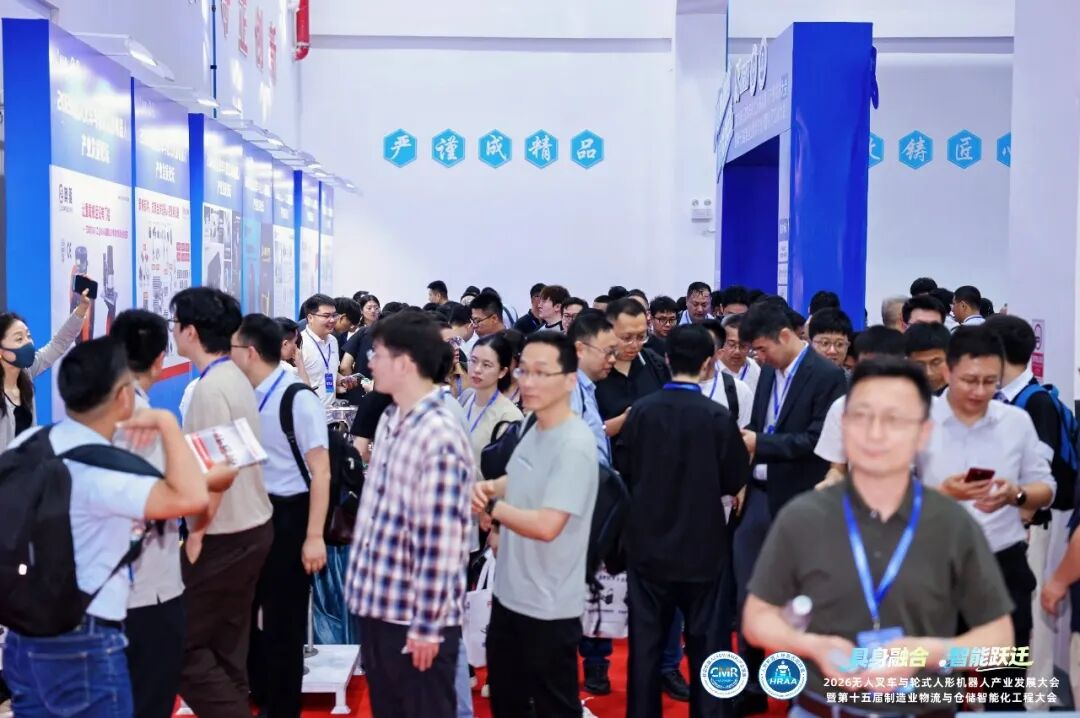
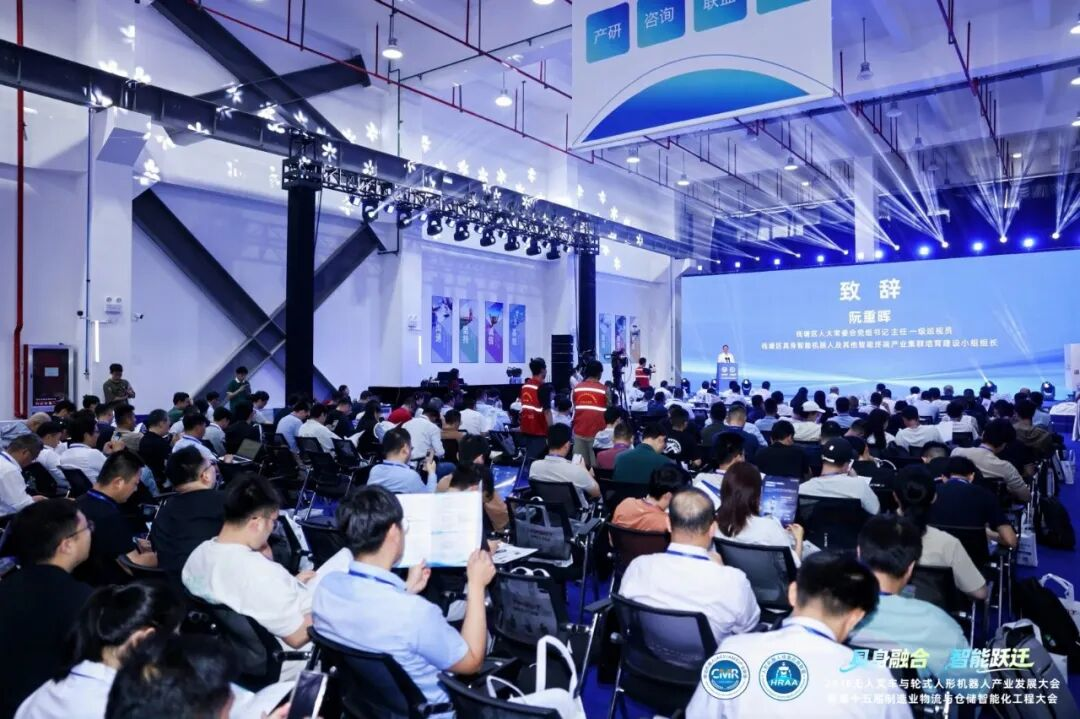
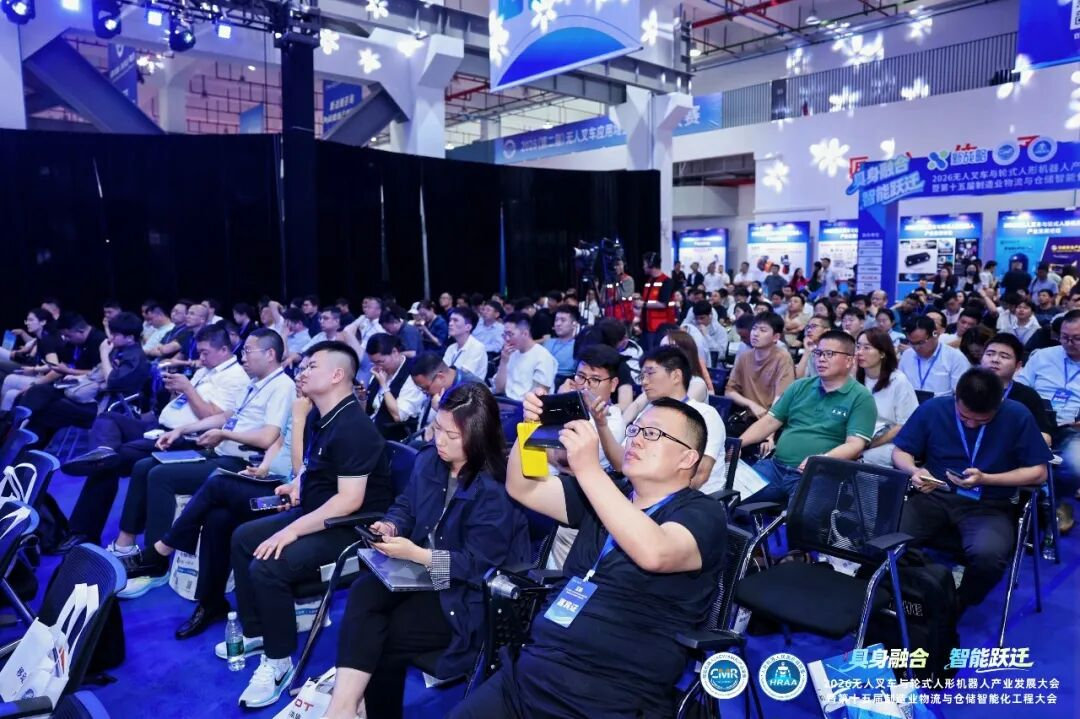
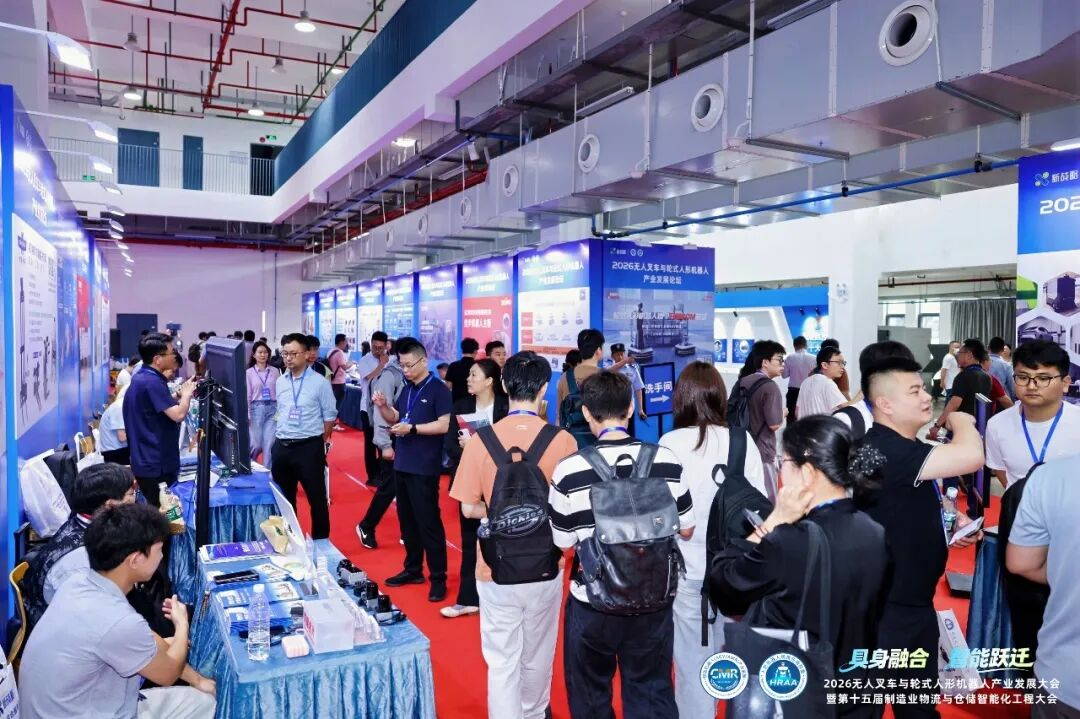
Currently, the global manufacturing industry is undergoing a profound transformation from digitalization to intelligence, and from automation to autonomy. Breakthroughs have been achieved in embodied intelligence and wheeled humanoid robot technologies. The deep integration of mobile robots such as unmanned forklifts and AGVs/AMRs with embodied AI is driving logistics systems from “automated handling” to a new paradigm of “intelligent collaborative operation.” This conference, themed “Embedded Integration, Intelligent Leap,” was held for the first time in a four-in-one format combining a conference, competition, exhibition, and application, marking the first time that the two cutting-edge fields of unmanned forklifts and embodied wheeled humanoid robots have converged in the same venue.
Furthermore, the “Bluebook on the Development of the Wheeled Humanoid Robot Industry 2026,” was released at the conference, which was jointly edited by CMRA and HRAA, with contributions from Zhejiang Saiya Intelligent Manufacturing Co., Ltd., Hangzhou Theseus Yihairong Silicon Technology Co., Ltd., Elite Intelligent Robot Co., Ltd., Hangzhou EED Transmission Equipment Co., Ltd., GYRO Intelligent Equipment (Suzhou) Co., Ltd., Beijing SYNTRON Technology Co., Ltd., RobotPhoenix Technology Co., Ltd., Chengdu Ruixinxing Technology Co., Ltd., Kinco Automation (Shanghai) Co., Ltd., LY iTECH (Guangdong) Company, and Guangdong ATV College of Performing Arts.
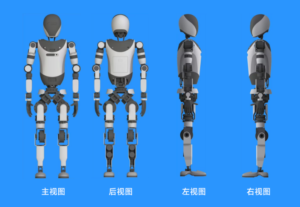
The release of this bluebook aims to address the current issue of the rapid development of the wheeled humanoid robot industry, which lacks unified standards and consensus. The bluebook systematically elaborates on the definition, technological roadmap, and overall industry chain of wheeled humanoid robots, outlining a complete technological system and comprehensively covering applications in logistics, industrial manufacturing, and commercial services, providing authoritative standards that can be cited and discussed for industry development.
From a global perspective, the development of wheeled humanoid robots exhibits a clear divergence. The United States continues to focus on bipedal humanoids in its cutting-edge technological exploration, while China, leveraging its complete industry chain and rich application scenarios, has achieved rapid commercialization in wheeled forms. Japan, South Korea, and the European Union, however, are pursuing differentiated paths based on their own strengths.
According to data from HRAA and statistics from the New Strategy Mobile Robot Industry Research Institute (NSRI), from 2024 to the first quarter of 2026, more than 117 new wheeled humanoid robot products were released globally. Of these, 94 were launched by Chinese companies and 23 by foreign companies. This demonstrates the absolute dominance of Chinese companies in the wheeled humanoid robot market, with their new product releases being more than four times that of overseas companies, almost monopolizing the supply of new products for the past three years. As of April this year, approximately 90 companies in the Chinese market offer wheeled humanoid robot products. Humanoid robot companies, mobile robot companies, and collaborative robot companies constitute the main competitive forces in the market.
The bluebook also points out that wheeled humanoid robots, due to their lower training difficulty, more controllable costs, and longer battery life, are considered the preferred path for achieving commercialization at this stage. 2026 is also regarded by the industry as a “critical year” for the global humanoid robot industry to move from technology verification to large-scale commercialization.
Looking ahead, wheeled humanoid robots will continue to deepen in terms of commercialization paths, technological innovation, and industrial ecosystem. Interdisciplinary technology integration, enhanced AI capabilities, and energy efficiency optimization will become key drivers for further industry development. At the same time, industry standardization and consensus will provide a solid guarantee for the large-scale application of wheeled humanoid robots in logistics, industry, commercial services, and scientific research and education.
On May 22, the highly anticipated “the Second Unmanned Forklift Scenario Application Competition Finals and Humanoid Wheeled Robot Skills Demonstration” is held at the same venue, bringing together 8 top unmanned forklift companies and 4 leading humanoid wheeled robot companies to compete and showcase their skills. Stay tuned!