At the beginning of 2026, SENG THOR ANG, Chairman of Gyrobot Technology (Suzhou) Co., Ltd, (hereinafter referred to as GYRO) and his team ushered in a start that is beyond expectations: In 2025, the company’s annual sales volume doubled compared to 2024, with net profit between 45 and 50 million yuan; and the orders on hand at the start of 2026 alone have already exceeded 1.5 times the total volume for the entire year of 2025, demonstrating particularly rapid growth momentum.

SENG THOR ANG, Chairman of GYRO
Orders are soaring, and numbers are leaping. In the current landscape of increasingly diverse composite robots and players expanding into other fields, such growth is still particularly eye-catching. Is GYRO’s growth simply due to catching a cyclical “windfall,” or does it stem from the structural advantages formed through long-term accumulation?
100% Repurchase Rate: Trust is the Most Expensive Currency
In the semiconductor industry, with its extremely high technological barriers and near-zero tolerance for error, this is a track known as a “long slope with thick snow.” Entering the market is already difficult, but GYRO, a company specializing in semiconductor composite robots, has established a unique reputation in the industry with a 100% customer repurchase rate and a record of zero unfinished projects.
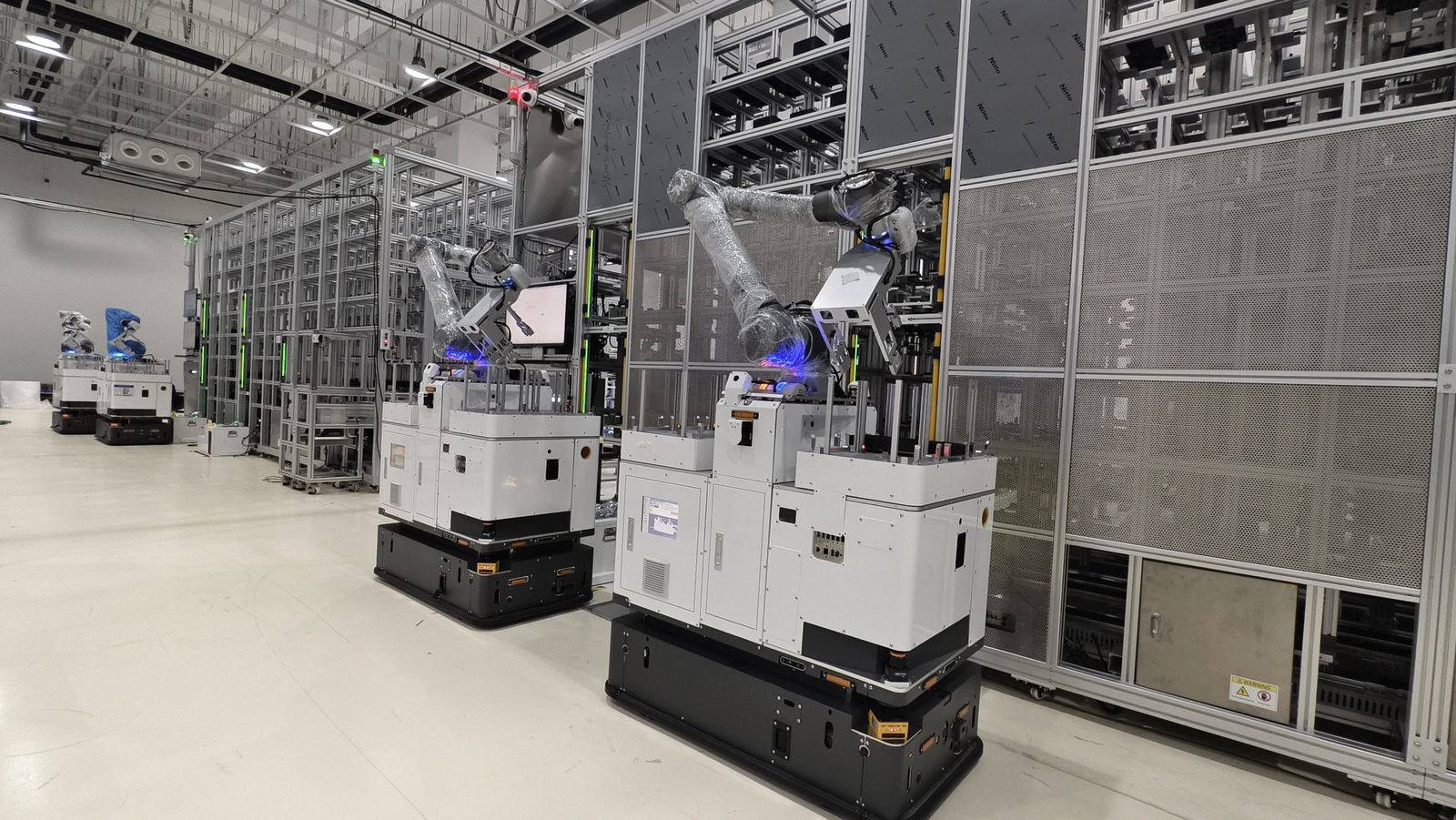
The concentrated release of orders is not due to short-term market stimulation. SENG THOR ANG pointed out that semiconductor customers are extremely cautious when introducing new equipment, typically purchasing only one or two units initially for long-term stability verification. Only after passing a complete verification cycle will they gradually increase production. Therefore, the performance growth in 2025 is essentially the concentrated realization of years of customer accumulation and technology verification.
This also precisely represents that in the semiconductor field, a single delivery is not the end, but the true beginning of long-term cooperation. Although building trust usually requires time, the product’s inherent “hard power” can become a key force in breaking down barriers and significantly shortening the trust-building time.
This customer trust brought about by “hard power” is particularly evident in the expansion into overseas markets. Unlike conventional international bidding paths, GYRO does not participate in a high proportion of complex overseas tenders; many orders come directly from customers after on-site inspections and long-term verification. SENG THOR ANG and his team shared a typical case: After inspecting the product, the CEO of an American company highly recognized its maturity and stability, and immediately decided to introduce GYRO equipment into its American factory, gradually replacing the original European brand solutions.
This seemingly “love at first sight” recognition was by no means accidental, but rather a concentrated support of GYRO‘s profound comprehensive strength. SENG THOR ANG summarized the company’s hard strength into three points: first, the technological leadership formed by long-term deep cultivation in the semiconductor industry; second, efficient and stable service response capabilities, capable of quickly resolving on-site problems; and third, a significant cost-performance advantage in overall solutions compared to European competitors.
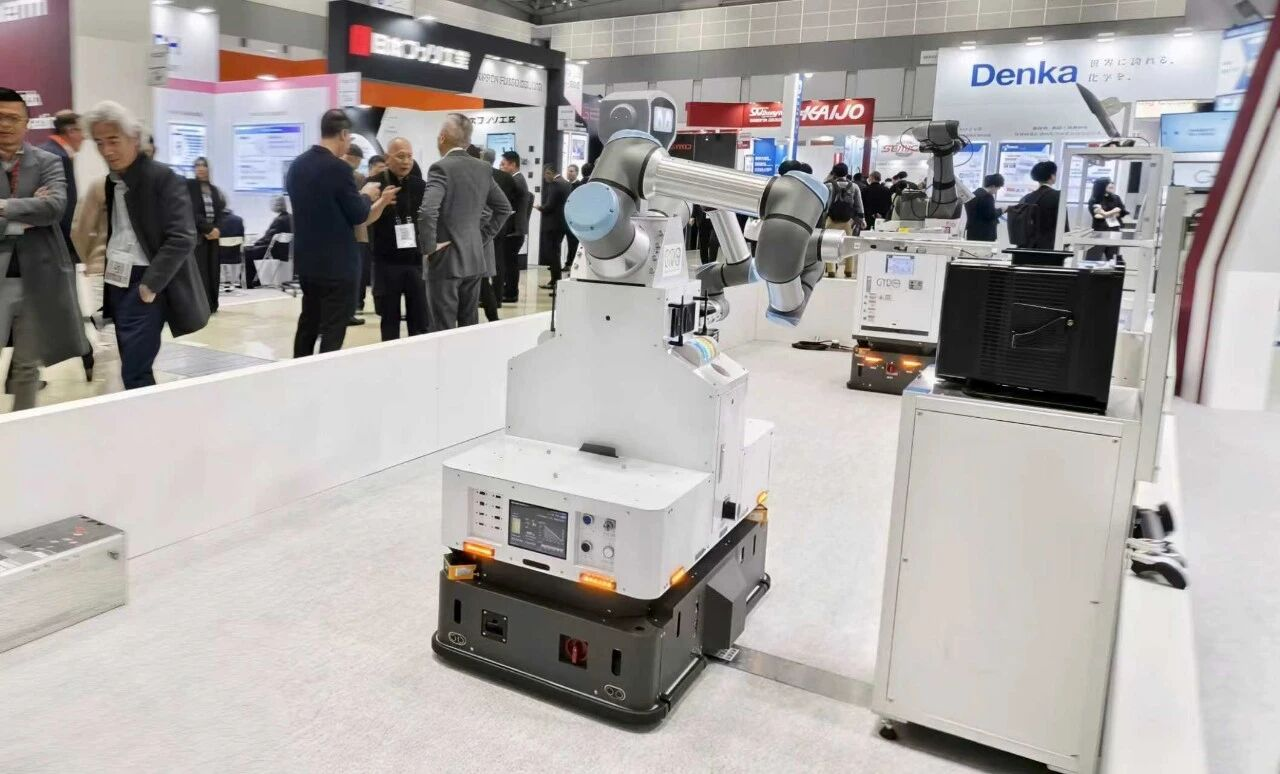
This combination of “technology + service” has enabled GYRO to conquer the global market. Looking at the current order structure, its overseas market accounts for approximately 90%, and the Chinese mainland market accounts for approximately 10%. This distribution also indirectly confirms the universality and competitiveness of its products in the global semiconductor manufacturing system.
This global competitiveness once again confirms a simple truth: in the semiconductor field, technology is the key, but trust is the most expensive currency. This trust has also redefined GYRO’s strategic direction: only extreme focus can justify the “most expensive currency” in the semiconductor industry.
All in Semiconductors: The Power of Focus
While many robot manufacturers are busy expanding into new scenarios and diversifying across industries, GYRO has chosen to go all in on the semiconductor field, focusing its absolute attention on a single track, cultivating a niche market, and forging a differentiated development path.
This is not strategic conservatism, but a long-term judgment based on industry DNA. According to SENG THOR ANG, GYRO‘s founders and core members have long been deeply involved in the semiconductor industry. This native industry experience gives them a natural understanding of process flows, equipment stability requirements, and mass production rhythms. SENG THOR ANG emphasized, “When you focus on one industry for a long enough time, you will create an experience curve that is difficult for others to replicate.”
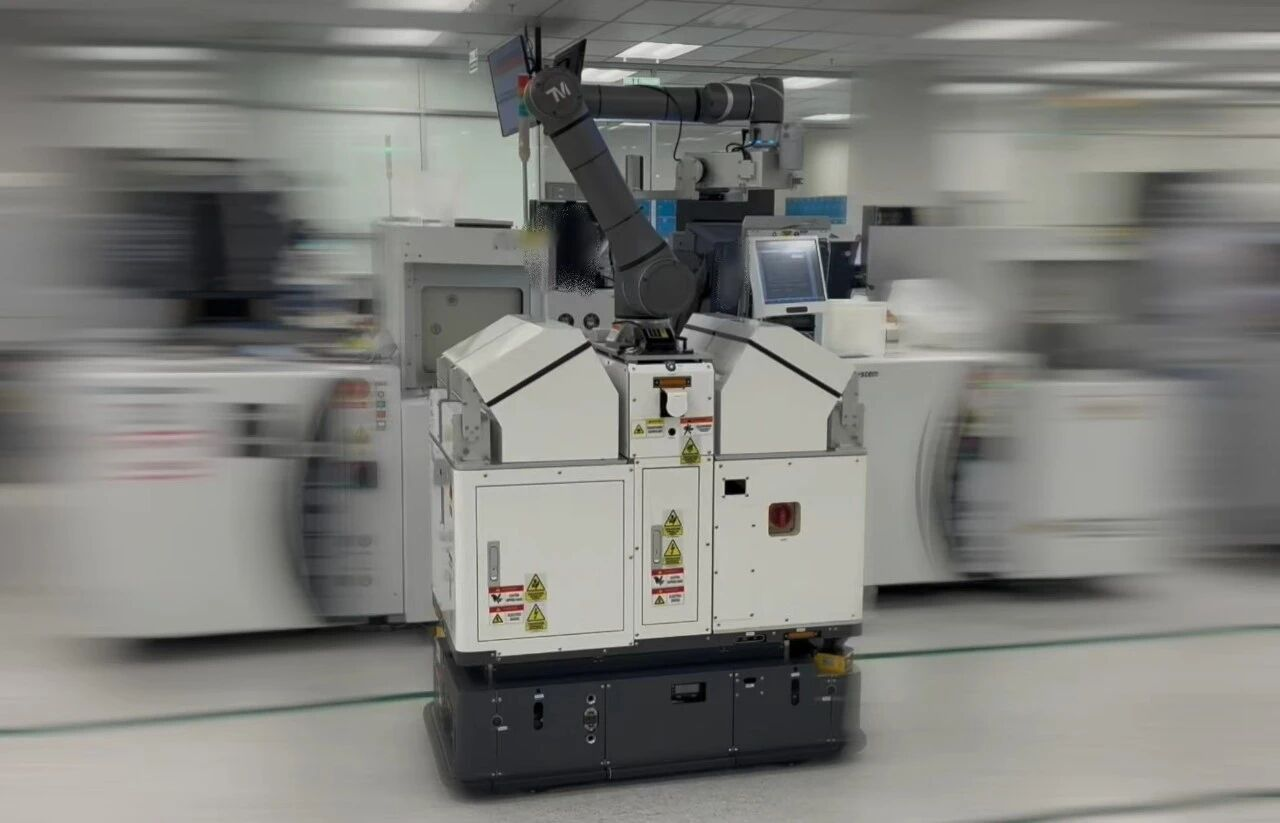
This extreme focus is first reflected in the relentless pursuit of the technological barriers in semiconductor manufacturing. Semiconductor manufacturing has extremely stringent requirements for clean environments, making it one of the highest-standard and most strictly controlled areas among all industrial cleanrooms. According to ISO 14644-1 (2015) “Cleanrooms and Associated Controlled Environments Part 1: Classification of Air Cleanliness by Particle Concentration” established by the International Organization for Standardization, TÜV Cleanroom Class 1 for semiconductors is the highest level. GYRO not only meets this level requirement but has also built its own cleanroom in Suzhou for long-term equipment testing and stability verification, solidifying product reliability through engineering.
In terms of product strategy, GYRO consistently evolves around the common needs of the semiconductor industry. In 2025, the company launched a semiconductor dual-arm composite robot. The core positioning of this product is not to replace existing solutions but to supplement scenarios where single-arm robots cannot perform their tasks, further contributing to the upgrade of unmanned factories.
It is worth noting that GYRO adheres to the core principles of platformization and replicability, avoiding the dispersion of R&D resources due to high customization. “Every development we undertake is for the continuous upgrading of the entire product system, not just serving a single customer,” said SENG THOR ANG.
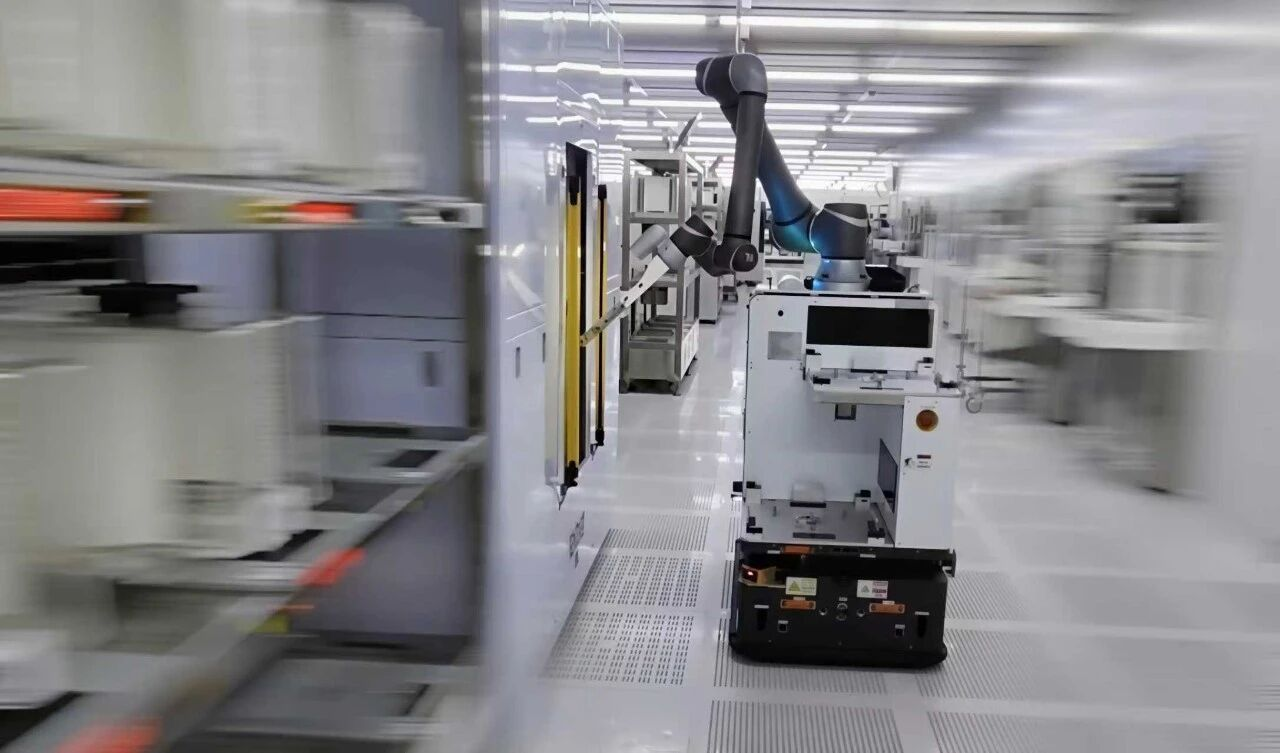
This focus is also reflected in its rationality and soberness in the face of market trends. Currently, “humanoid robots” are a hot trend in the industry, with many companies following suit, but GYRO’s actions have been pragmatic and restrained. It is understood that although the company has invested in related R&D, it has not pursued a bipedal form, but instead focuses on a wheeled + dual-arm structure to meet the extreme requirements of stability and security in semiconductor scenarios.
From Semiconductors to AI Data Centers: Rigorous Verification in Higher-Value Scenarios
This system capability, honed over a long period in semiconductor scenarios, has not stopped within wafer fabs. During the interview, a gradually clear change emerged: GYRO‘s system-level capabilities are being validated in the more demanding and less fault-tolerant AI data center scenarios.
SENG THOR ANG revealed that GYRO has partnered with a world-leading AI data center operator. Its overall system design has been approved after multiple rounds of evaluation, and a formal order has been secured. The project is expected to be delivered by the middle of this year.
Compared to semiconductor manufacturing scenarios, the value of a single server and the data and computing power it carries in an AI data center is far greater than that of a box of wafers, which means that if a system malfunctions, its potential impact and losses will be magnified many times over. Therefore, customers often adopt more cautious and stringent standards when selecting partners.
As a result, during the decision-making process, the AI data center client conducted a highly systematic and in-depth evaluation of GYRO‘s company background, technical system, and engineering capabilities. From repeated demonstrations of the initial technical solutions to multiple rounds of communication at the system architecture level, and on-site inspections to break down and discuss potential risks item by item, the entire process lasted a considerable amount of time.
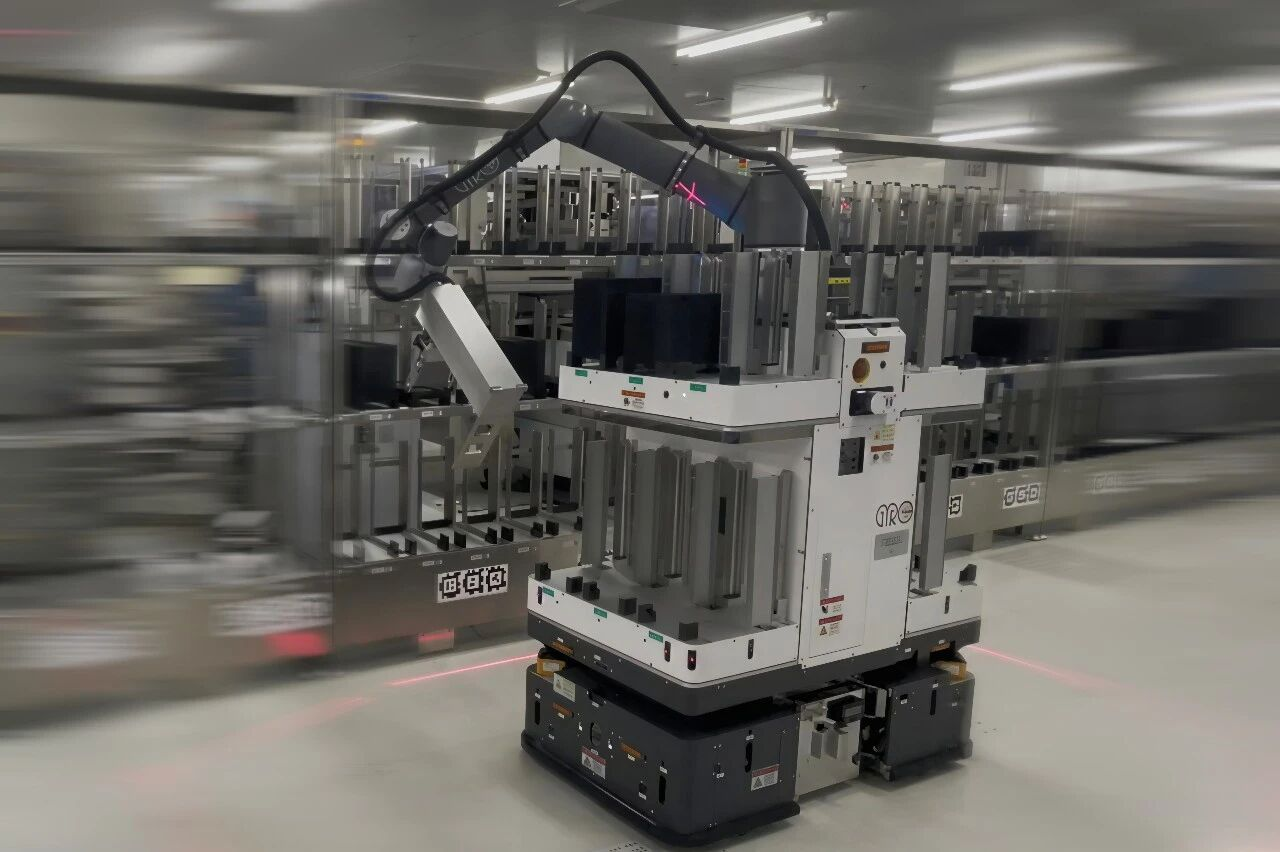
Ultimately, GYRO won this order not because of a single technological advantage, but because of a comprehensive recognition of its system reliability, long-term stable operation capabilities, and ability to predict and resolve risks in complex application scenarios.
Based on this, GYRO is gradually coming into the view of more AI data center clients. Currently, several international AI data center stakeholders are conducting technical communication and application scenario evaluations with the company to gain a deeper understanding of its system architecture and practical implementation capabilities. SENG THOR ANG stated that the company will continue to promote relevant cooperation with a cautious attitude, hoping to gradually expand more high-value scenario implementation opportunities while maintaining a steady pace and clear boundaries.
To some extent, these validations from higher-value scenarios also indirectly confirm a judgment that the application of composite robots in high-end manufacturing and infrastructure is still far from mature.
A “Just Beginning” Track
“From a macro perspective, this track is truly just beginning,” SENG THOR ANG stated when asked about the penetration rate of composite robots in the semiconductor industry.
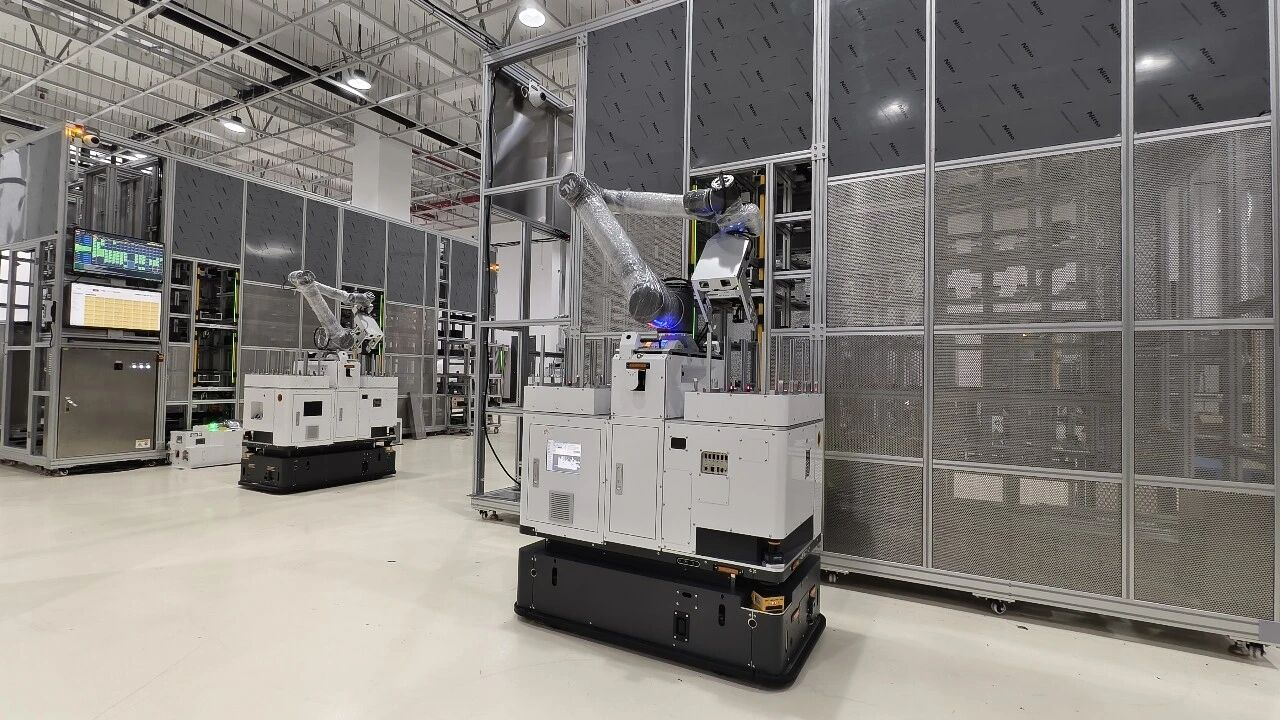
Currently, the penetration rate of composite robots in the semiconductor industry is still in its early stages. Only a few leading companies have achieved large-scale deployment, and even for leading customers who have purchased dozens of devices, many processes in their factories have not yet been automated.
Behind the low penetration rate are two major barriers. On the one hand, the investment threshold for equipment and systems is high, which is undoubtedly a significant investment for small and medium-sized enterprises; on the other hand, the engineering complexity brought about by the deep integration of robots with production lines and IT systems makes it difficult for some competitors to continue to promote application after completing the initial deployment.
However, GYRO believes that the composite robot track still has huge potential for growth.
Irreversible changes in the labor market are becoming a key driving force for industry upgrading. The trend of the new generation of workers being unwilling to engage in repetitive labor is forcing factories to accelerate their unmanned transformation.
SENG THOR ANG‘s confidence in the market potential stems from the unshakeable core position of the semiconductor industry. “From everyday mobile phones and computers to high-end AI servers and aerospace equipment, nothing can function without semiconductor chips,” he frankly stated. He acknowledged that behind every wave of technological advancement lies an urgent need for wafer capacity and a pursuit of efficient production logistics; this is precisely the key area where composite robots can leverage their core value and exert precise force.
This is a marathon without an end. Currently, a new wave of capacity expansion in the global semiconductor industry is opening up even greater possibilities for GYRO. “Almost all related companies are expanding production,” SENG THOR ANG said with certainty, “I feel that the semiconductor market truly has no end in sight.”
__________________________________________________________________________________________________________________________________________________________________
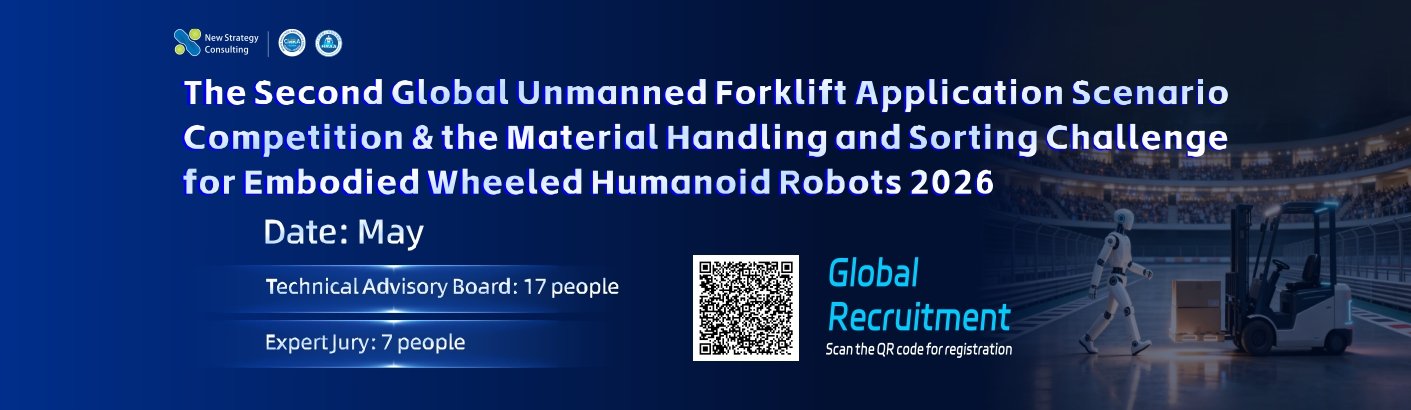
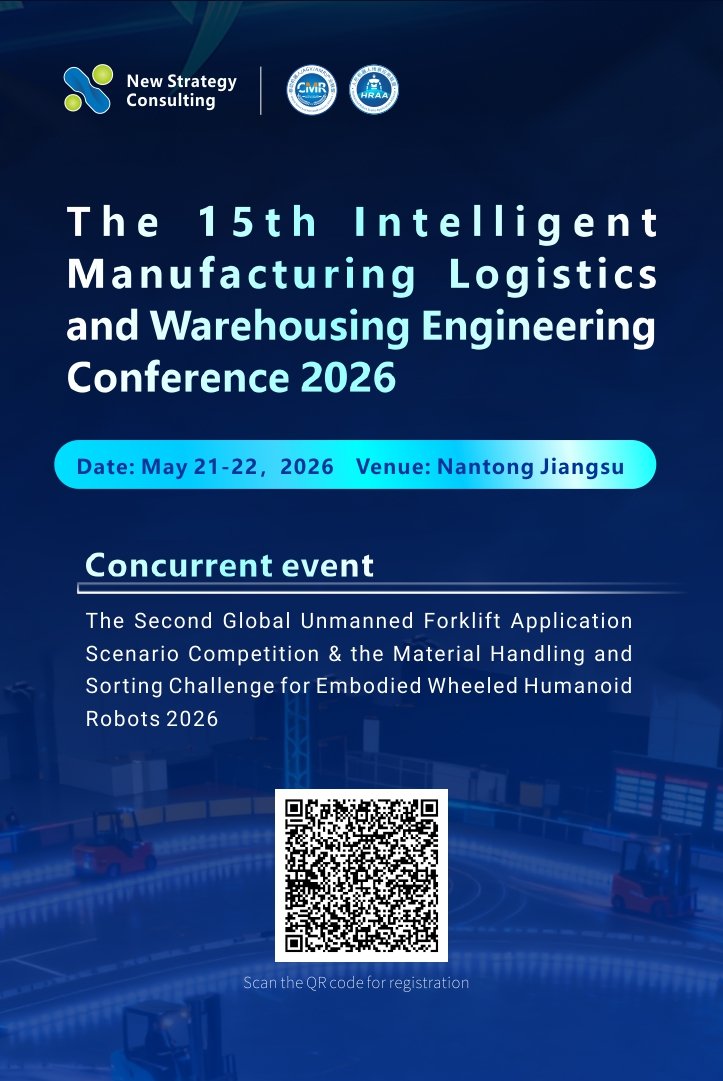
The Second Global Unmanned Forklift Application Scenario Competition & the Material Handling and Sorting Challenge for Embodied Wheeled Humanoid Robots 2026 will be held by CMRA in May. Building upon the unmanned forklift competition, a wheeled humanoid robot track will be introduced for the first time, responding to the industry’s real-world needs for embodied intelligent application scenarios and further building a bridge connecting technological innovation and industrial applications.