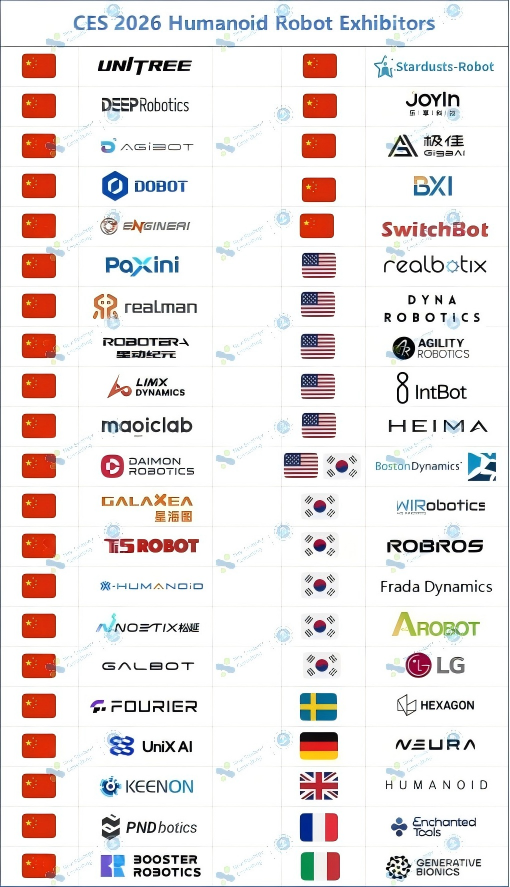
According to official CES data, there are 598 exhibitors related to robotics at this show, with 149 of them from China, accounting for nearly a quarter. In the most closely watched segment of humanoid robots, of the 38 exhibitors officially counted, 21 were from China, accounting for more than half. However, in reality, the number of companies exhibiting humanoid robots this year may be even higher.
The List of CES 2026 Humanoid Robot Exhibitors is as below:
China: From “Concentrated Product Showcase” to “System-Level Output”
In the humanoid robot exhibition area at CES 2026, the presence of Chinese companies is almost impossible to ignore. Unlike the scattered, single-point technology demonstrations of previous years, Chinese manufacturers present a complete industrial chain structure, from complete machines and body motion control to perception, dexterous hands, and system platforms this year.
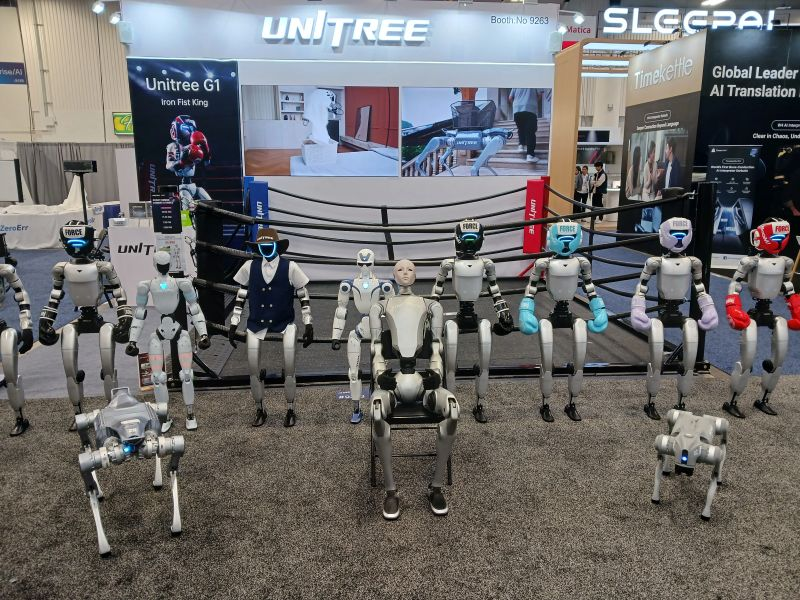
Unitree is undoubtedly one of the exhibitors with the strongest “mass production signal.” At this CES, Unitree focuses on showcasing the mass-produced version of its G1 humanoid robot. At the same time, Unitree also exhibits its new generation full-size humanoid robot H2, which shows significantly enhanced motion performance and dynamic capabilities.
Deep Robotics continues its consistent engineering-oriented approach at CES 2026. Its core exhibits include the upgraded X30 and the wheeled-legged robot M20 Pro, with the wheeled-legged structure’s balance capabilities in complex industrial terrain being a key focus of the demonstration.
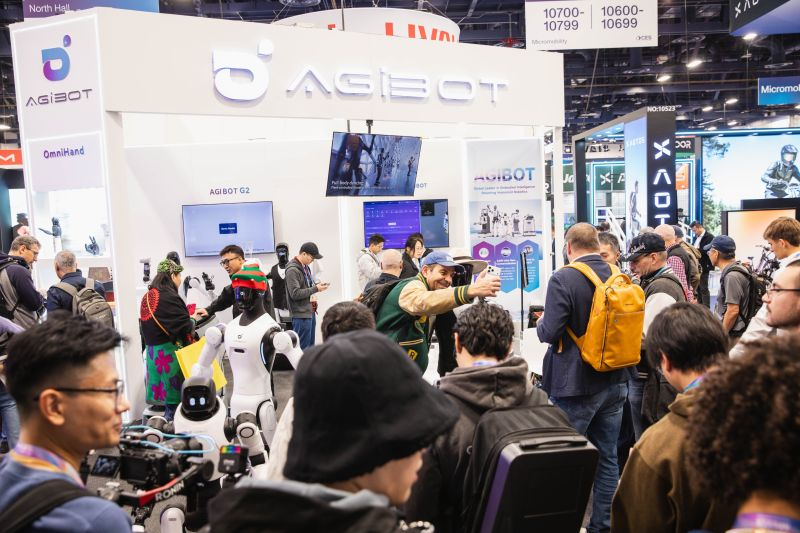
AGiBOT completes its North American debut of its full range of products at CES 2026. The booth showcases various forms of humanoid and human-like robots, including AGiBOT X2 series (focused on bionic interaction), AGiBOT A2 (for commercial services), and AGiBOT G2 (for home and research scenarios).
Dobot officially releases Rover X1, its first intelligent quadruped robot, positioned as a consumer-grade product, focusing on home companionship and smart butler functions, emphasizing the transition from laboratory technology to daily life scenarios. In addition to Rover X1, Dobot also showcases the application of its humanoid robots and collaborative robotic arms in embodied intelligence scenarios.
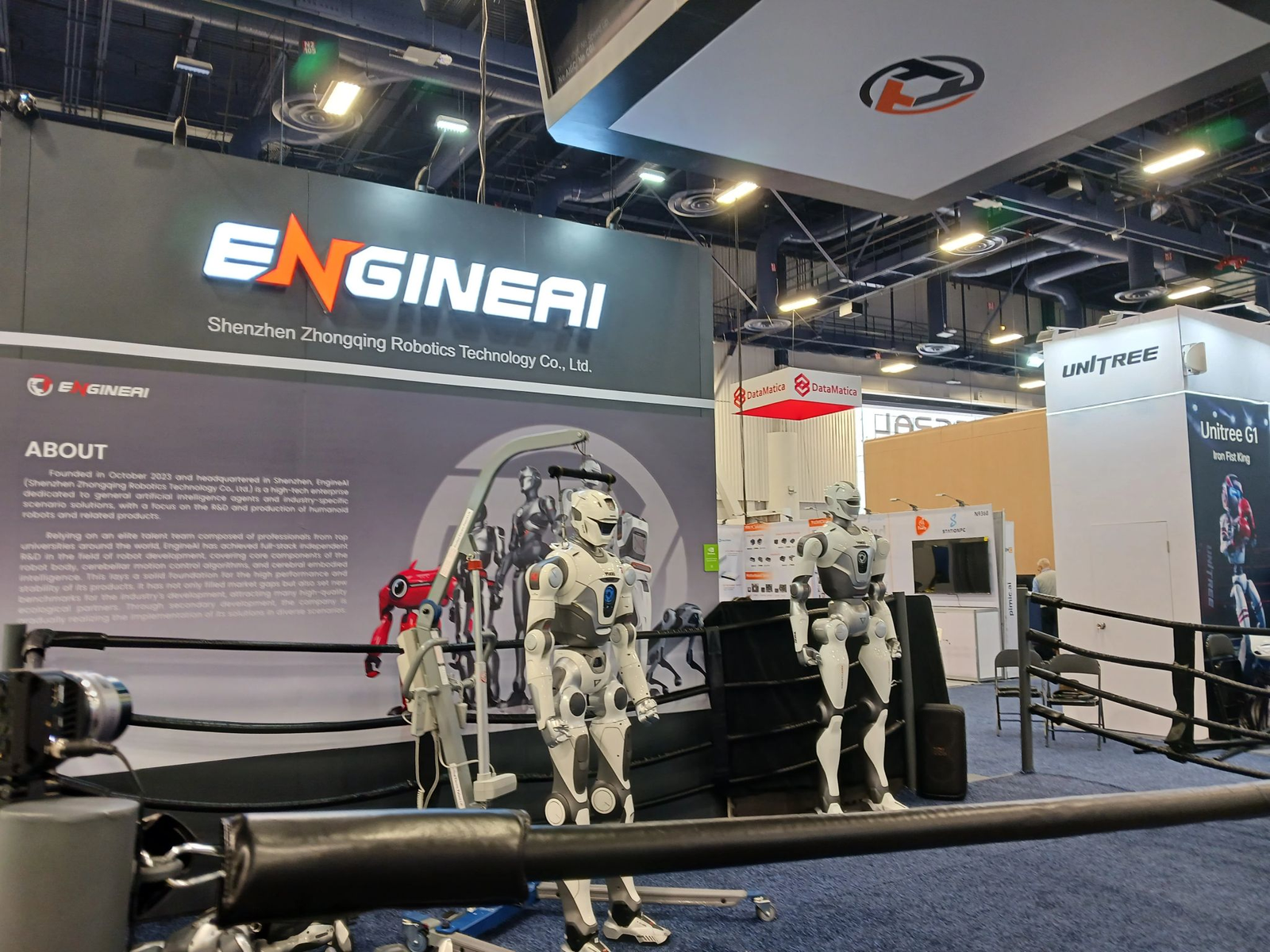
The T800 full-size general-purpose humanoid robot from ENGINEAI is one of the most eyecatching new products among Chinese humanoid robots at CES 2026. The T800 boasts overall proportions highly similar to those of an adult human, emphasizing dynamic stability and engineering reliability.
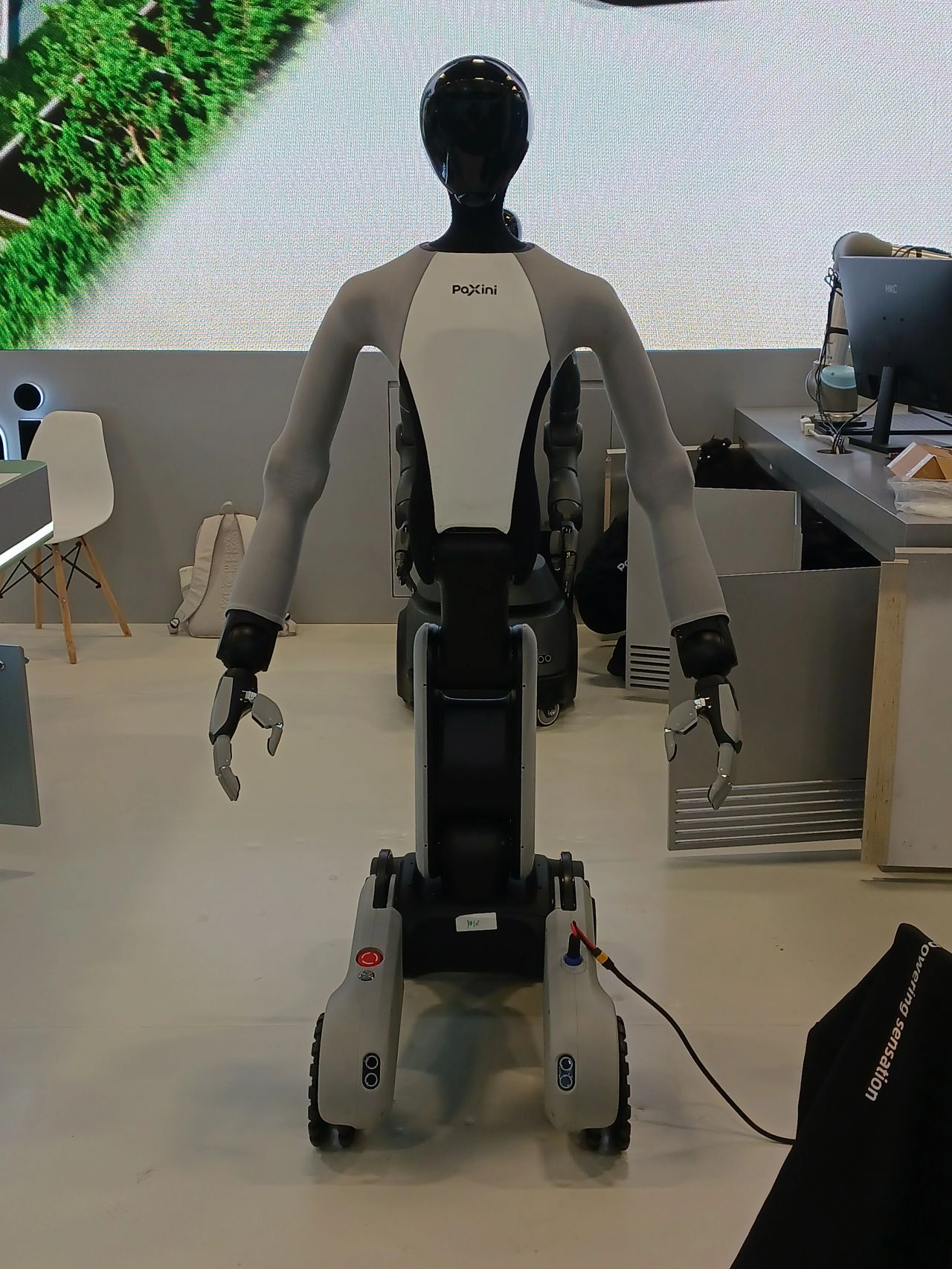
PaXini introduces the second-generation multi-dimensional tactile humanoid robot TORA-ONE, which features 47 degrees of freedom. Its DexH13 GEN2 dexterous hand is a major highlight, being the industry’s first dexterous hand integrating “multi-dimensional tactile sensing + AI vision,” with nearly a thousand tactile sensors integrated into each fingertip.
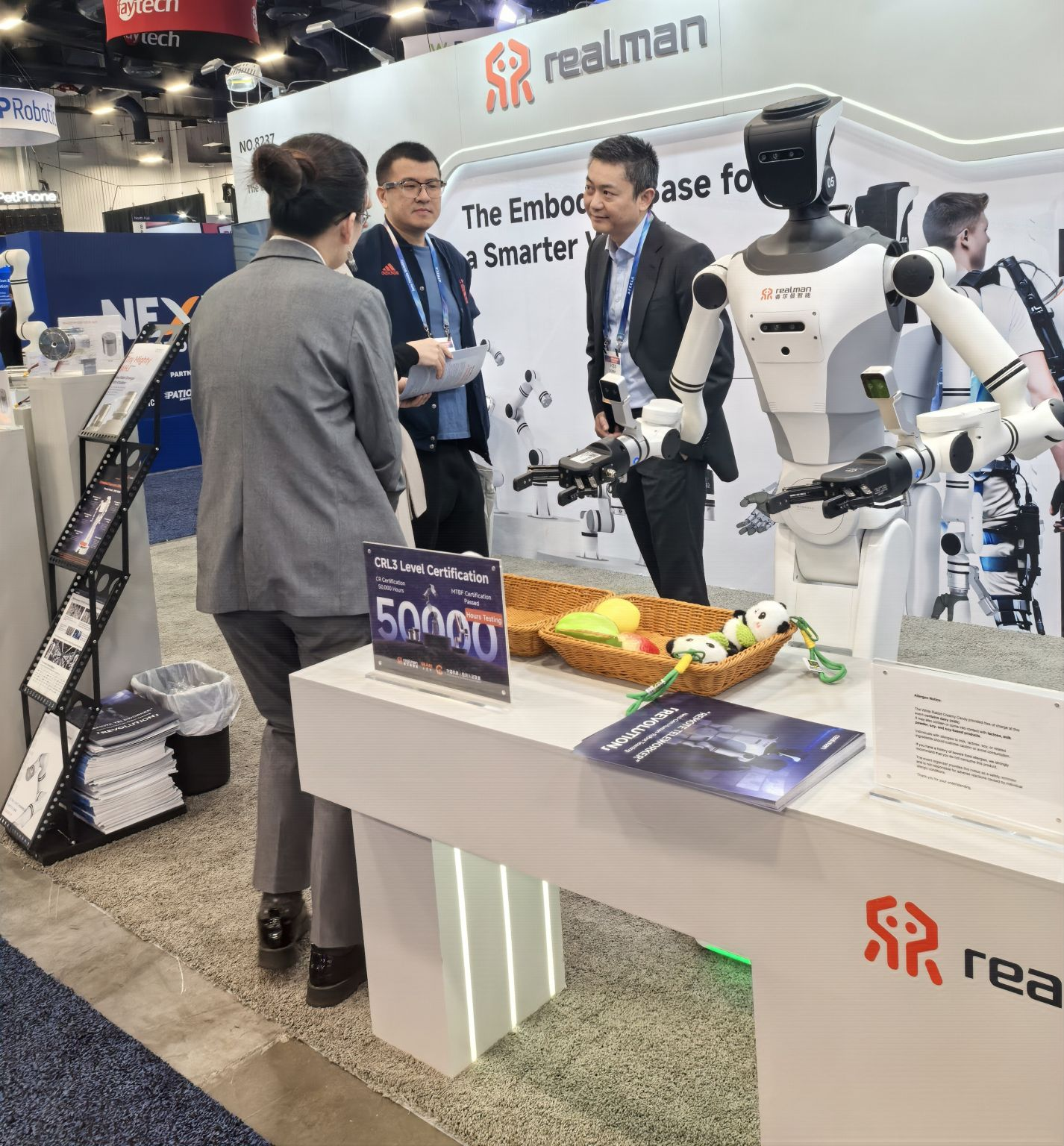
Realman, at CES 2026, focuses on application-level solutions, showcasing its RXL series of humanoid robotic arms. Its composite lifting robot demonstrates the material delivery capabilities of robotic arms and mobile platforms in scenarios such as hotels and hospitals, emphasizing system integration and practical application.
ROBOTERA presents its flagship humanoid robots, ROBOTERA L7 and ROBOTERA Q5, highlighting the latest advancements in bipedal stable walking and full-body coordinated control.
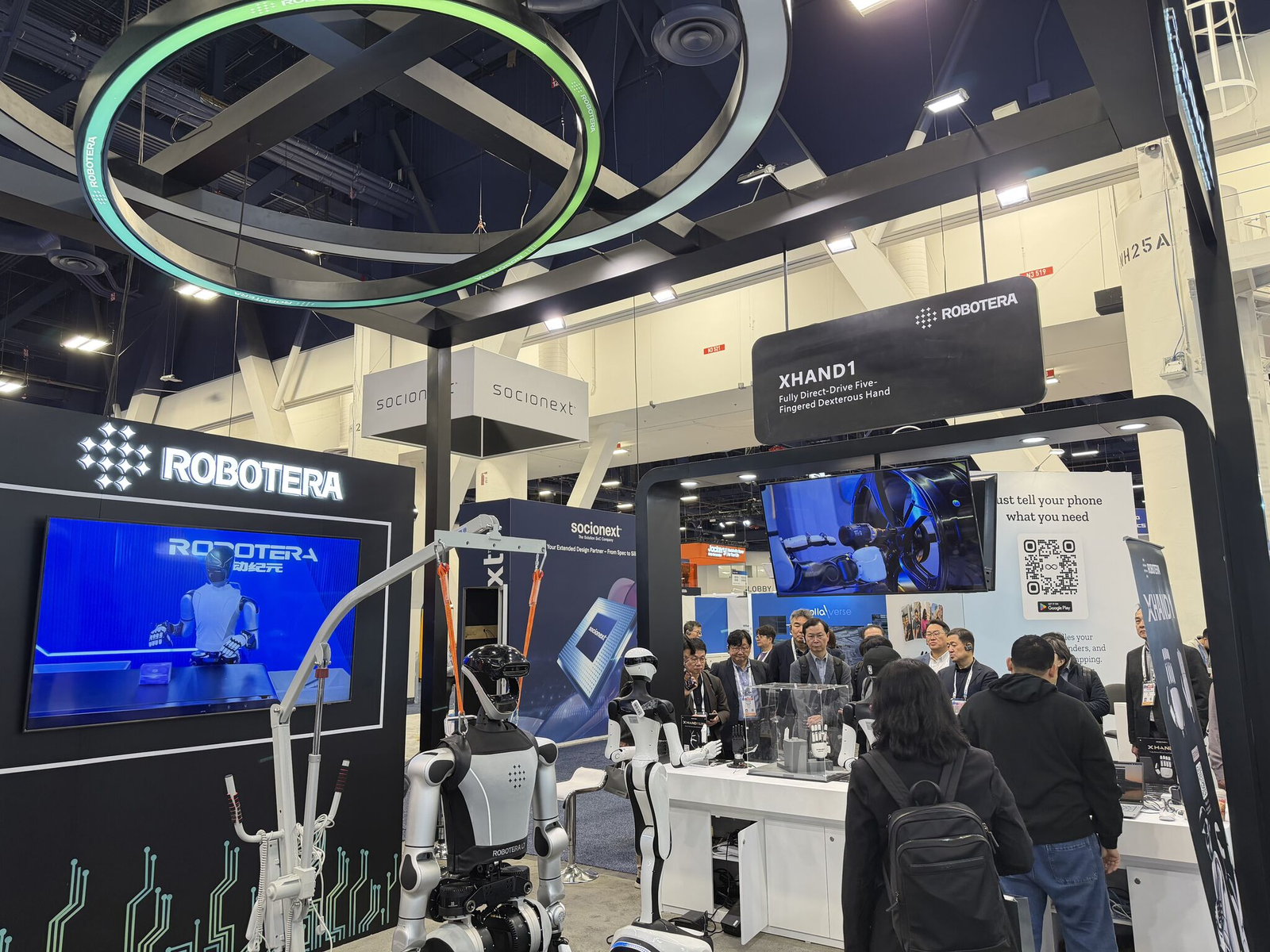
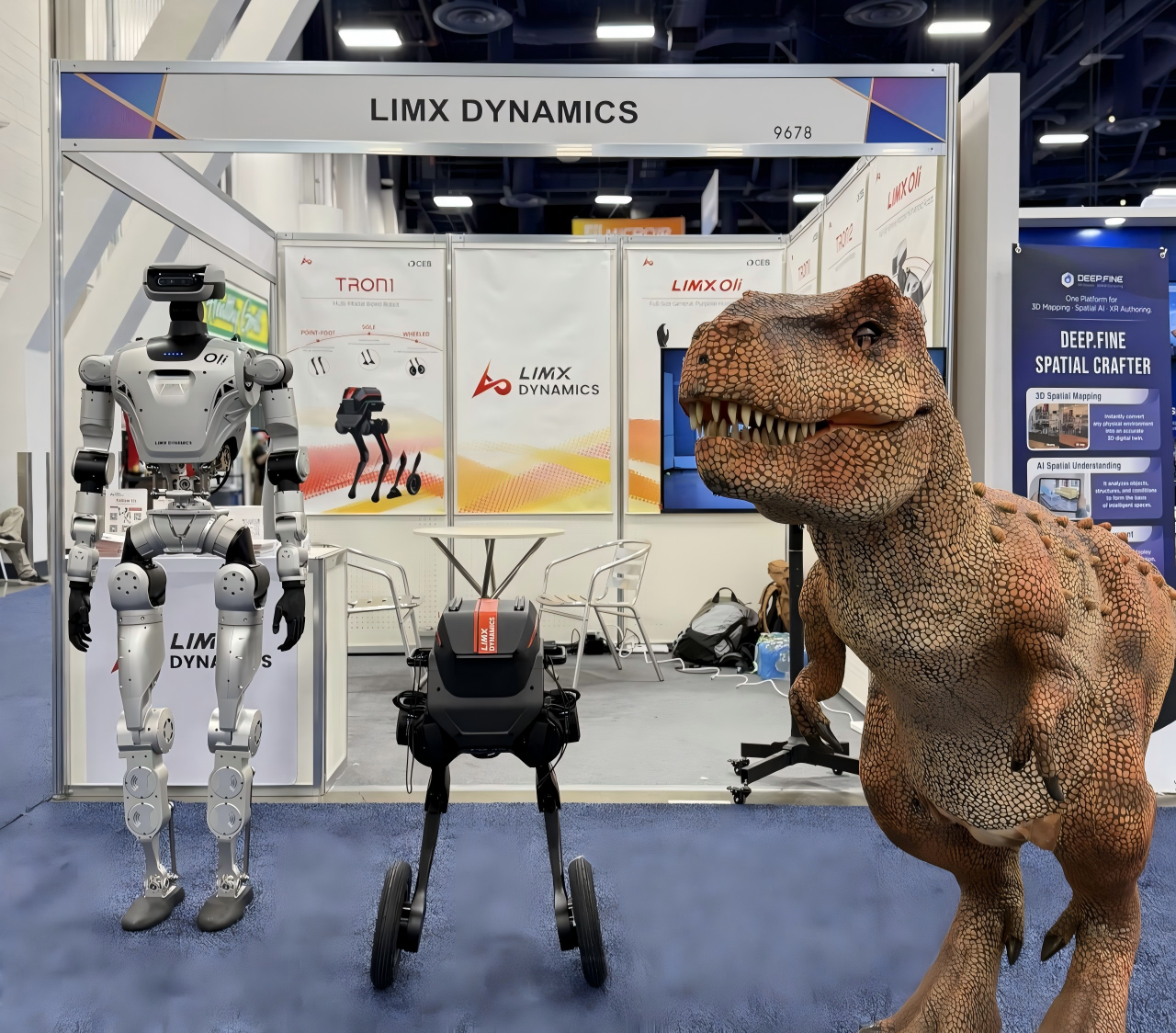
In addition, companies such as Limx Dynamics, MagicLab, Daimon Robotics, GALAXEA AI, Ti5 Robot, and X-Humanoid also showcase their humanoid robot prototypes or core technology modules at CES 2026.
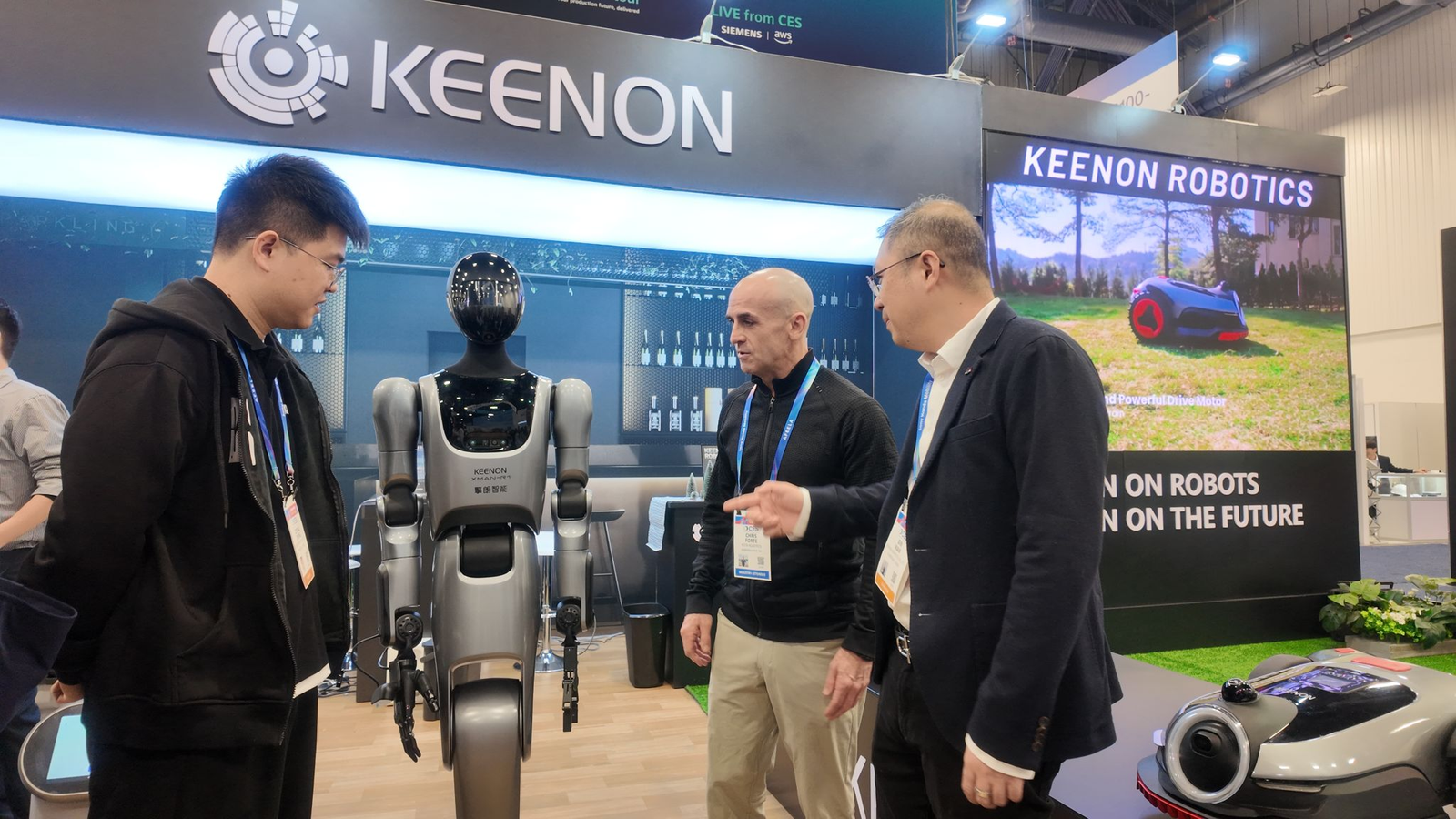
Companies like NOETIX, Galbot, Fourier, UniX AI, KEENON Robotics, PNDbotics, Booster Robotics, BXI Robotics, Stardusts-Robot, JOYIN, and GigaAI collectively form a broader “technology and application reserve force” for the Chinese humanoid robot industry.
Overall, the Chinese companies at CES 2026 present not just scattered technological breakthroughs, but a complete picture encompassing the entire machine, body movement, dexterous manipulation, sensing systems, and control platforms. This allows China to occupy a significant position in the global competition for humanoid robots, particularly in terms of “scalability and commercial viability.”
The “platformization” of the US, the “industrialization” of South Korea, and the “scenario-based” approach of Europe
In stark contrast to the Chinese companies, foreign manufacturers at CES 2026 present different development priorities.
Undoubtedly, the most attention-grabbing exhibit this year is Atlas jointly presented by Boston Dynamics and Hyundai Motor Group. Atlas performs a live demonstration at CES, showcasing its fluid gait and coordinated limb control, marking the classic humanoid robot’s transition from the laboratory stage to industrial applications. Hyundai Motor Group explicitly states that Atlas will undergo pilot testing at its factory in Georgia, USA, with plans to begin manufacturing cars there in 2028, aiming for an annual production of 30,000 units.
Besides Atlas, another major characteristic of North American companies in the humanoid robot field is their emphasis on AI platforms and system capabilities. Whether it’s the integration with large language models or building sustainable learning and upgrade systems around robots, American companies are more focused on the long-term vision of “robots as general-purpose computing platforms,” rather than just single hardware products.
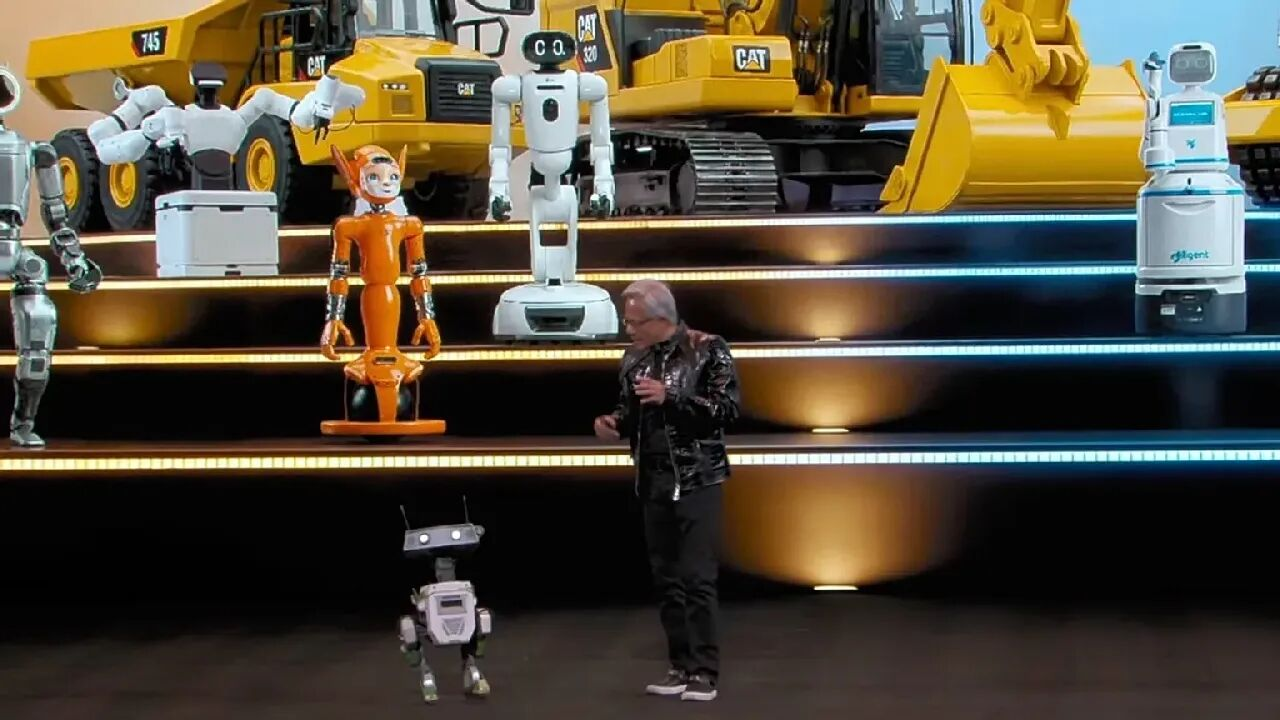
Nvidia releases a series of new robotic foundation models, simulation tools, and edge hardware.
South Korea demonstrates strong industrial ambitions at CES 2026.
Korean companies showcases their products collectively under the K-Humanoid Alliance. This alliance comprises over 40 research institutions and companies, including KAIST, Seoul National University, POSTECH, Rainbow Robotics, and members such as LG, Doosan, and HD Hyundai Robotics, collectively demonstrating South Korea’s overall progress in humanoid robot bodies, control systems, and application exploration.
LG Electronics, in particular, launches the CLOiD smart home assistant robot at the exhibition, clearly introducing humanoid or human-like robots into home life scenarios. CLOiD is equipped with dual robotic arms and five-fingered hands, demonstrating capabilities such as household assistance and item delivery, and is deeply integrated with LG’s own smart home ecosystem.
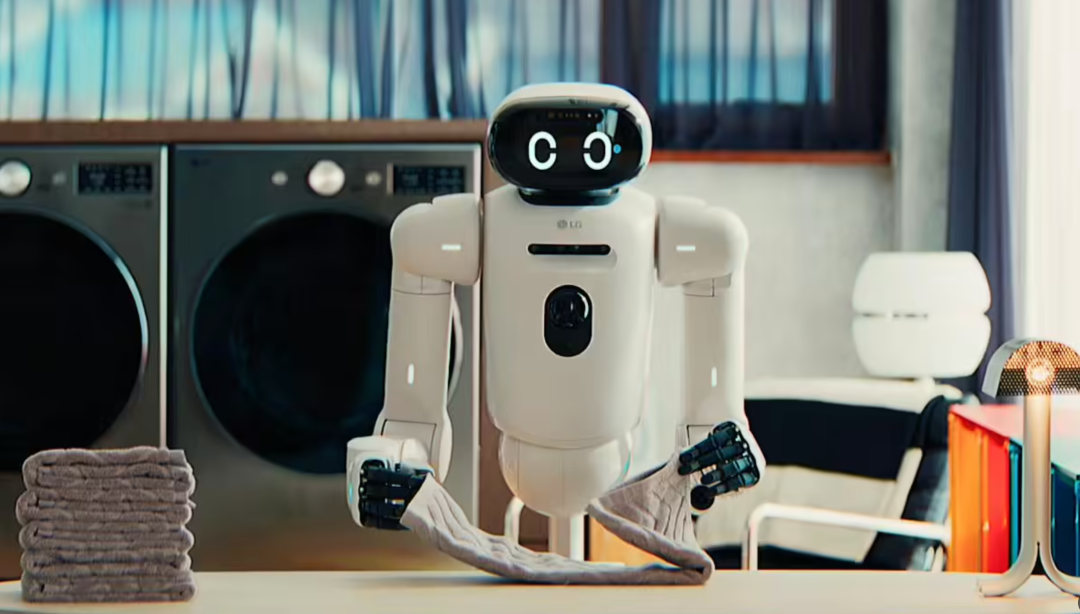
In Europe, several companies focused on industrial applications of humanoid robots appear at CES 2026.
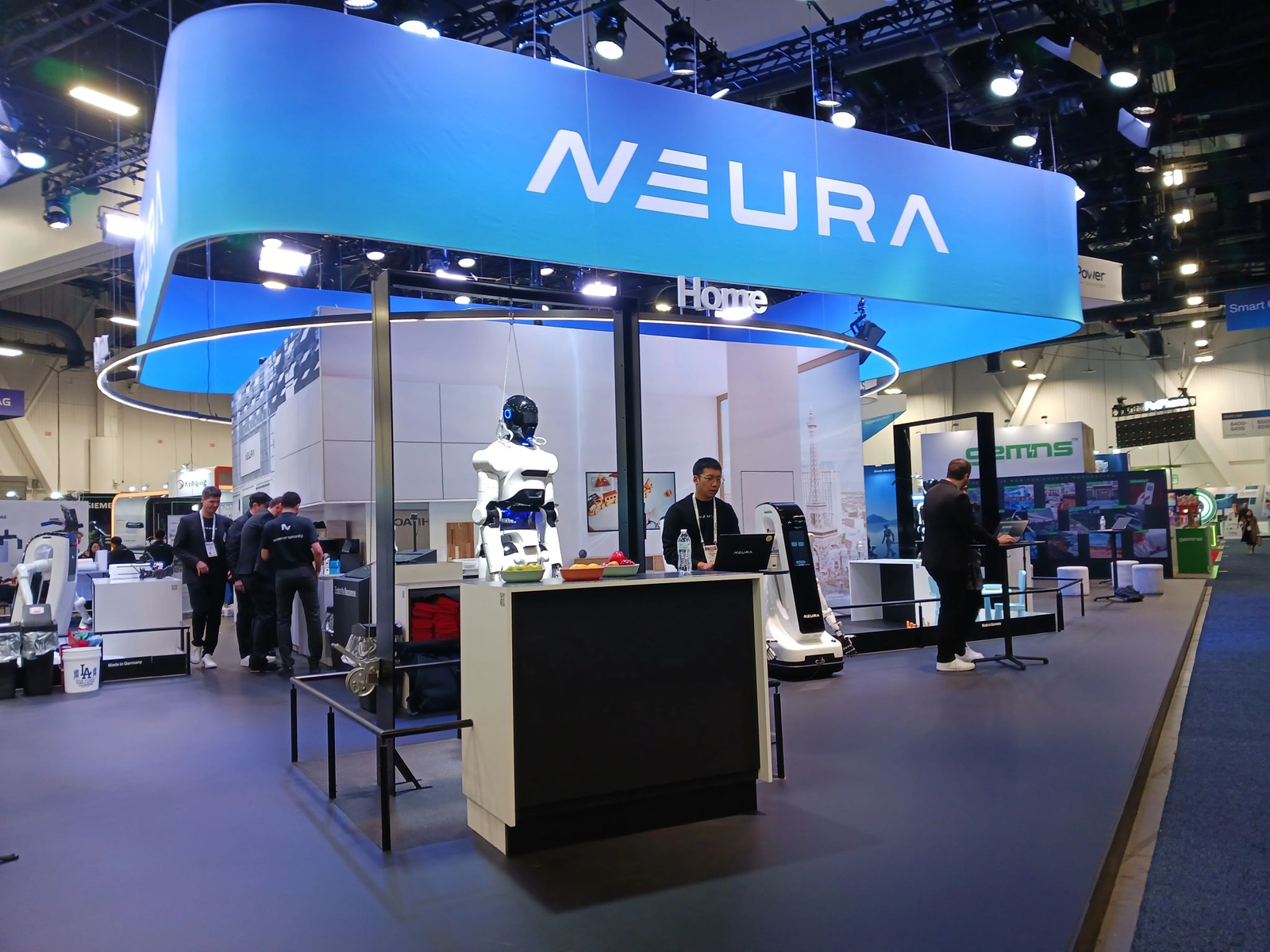
NEURA Robotics releases its humanoid robot 4NE1 during the exhibition and showcases the platform’s design concepts in perception, safe collaboration, and autonomous control at its booth.
Humanoid brings its humanoid robot prototype HMND 01 Alpha. This product is clearly positioned for industrial applications, focusing on structural design, balance capabilities, and modular mechanical systems, with the overall presentation leaning towards an engineering prototype rather than a consumer-grade product.
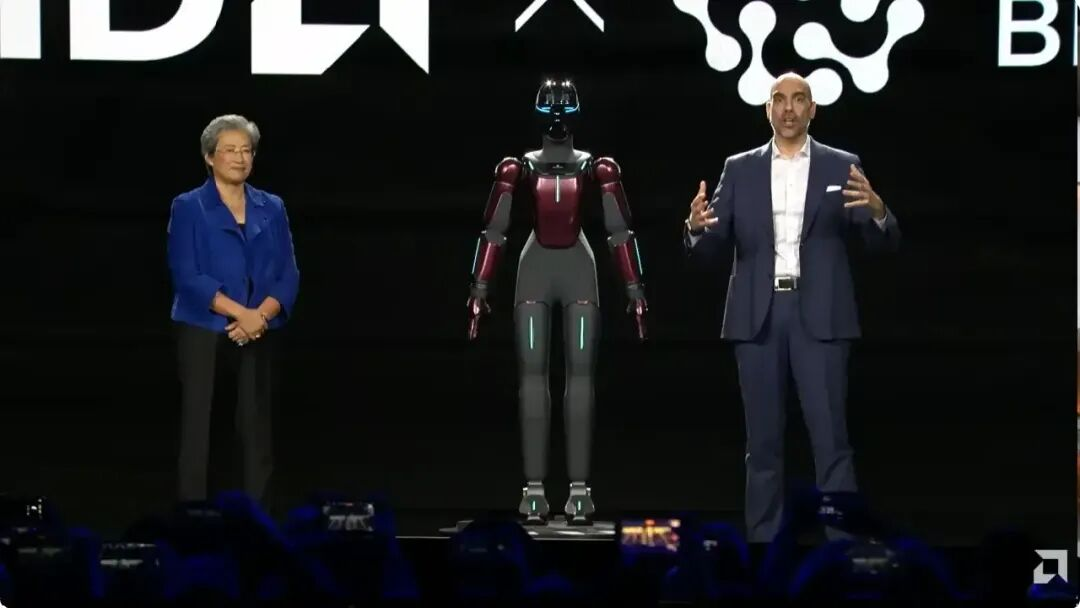
Hexagon, an industrial software and measurement company headquartered in Sweden, also focuses its AEON humanoid robot project on applications in industrial environments. In addition, global semiconductor company AMD and Italian startup Generative Bionics jointly unveil a humanoid robot, GENE.01, at CES, focusing on achieving safer human-robot interaction.
Overall, the humanoid robot demonstrations from abroad present two main development logics: first, emphasizing underlying intelligence and platform capabilities, aiming to build robots into open development platforms, closely integrated with large language models, perception systems, and cloud services; second, focusing on in-depth design around specific application scenarios and ecosystem integration, such as industrial collaboration, home services, and medical assistance.
Re-understanding the position of humanoid robots in global competition
CES 2026 shows that humanoid robots are no longer in the “whether it’s feasible” discussion stage. Whether it’s the mass-produced products displayed by Chinese companies or the engineering attempts by overseas manufacturers focusing on industrial, home, and service scenarios, it shows that the humanoid robot form has been widely accepted as an important direction for the next stage. The differences at the exhibition site are more about how each party is advancing, rather than whether they are advancing.
Chinese companies tend to showcase products as individual units, emphasizing price, versions, and mass production capabilities; American companies focus on the pace of industrial deployment and the advancement of system capabilities; South Korea integrates scientific research and industrial resources through alliances; and Europe is gradually entering this track with industrial humanoid robots as an entry point. These paths coexist, forming the basic pattern of current global humanoid robot competition.
CES 2026 is more like a window to showcase current progress, rather than the end point. After the exhibition, the real competition for humanoid robots will shift to factories, warehouses, homes, and public service scenarios. Whether the paths of different countries and different companies are effective will depend on their deployment effectiveness and continuous iteration capabilities in real-world environments.