As the fiscal year 2025 draws to a close, the autonomous driving sector is approaching a pivotal turning point marked by large-scale commercialization and profit realization.
From enclosed mining areas to open roads, from Robotaxi to unmanned delivery services, and from laser radar to autonomous driving chips, enterprises across the entire industrial chain have delivered differentiated performance reports.
To this end, Low-speed Automated Driving Industry Alliance (LSAD) has compiled core performance data from 13 listed autonomous driving companies, providing industry insights for trend analysis and strategic planning.
CiDi: Unmanned mining truck and solution revenue reaches 834 million yuan
In 2025, CiDi achieved operating revenue of 885 million yuan, marking a year-on-year growth of 115.8%. The autonomous driving segment contributed 843 million yuan, accounting for 95.3% of total revenue and becoming the primary growth driver. Notably, revenue from autonomous mining truck products and solutions surged to 834 million yuan, more than tripling year-on-year. The company’s gross profit rose to 189 million yuan, representing an 86.7% increase. As of the end of 2025, CiDi maintained robust cash reserves of 1.384 billion yuan, ensuring ample liquidity to support business expansion and technological innovation.
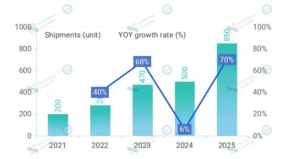
At the operational level, CiDi’s autonomous mining truck solution delivery volume reached 630 units/set in 2025, representing a year-on-year growth of 317.22%. According to the announcement, as of February 28, 2026, the total number of delivered and under-delivery autonomous mining trucks had exceeded 1,500 units, with cumulative unmanned driving mileage surpassing 16 million kilometers.
Breton: Unmanned equipment sales revenue accounts for over 11% of total revenue
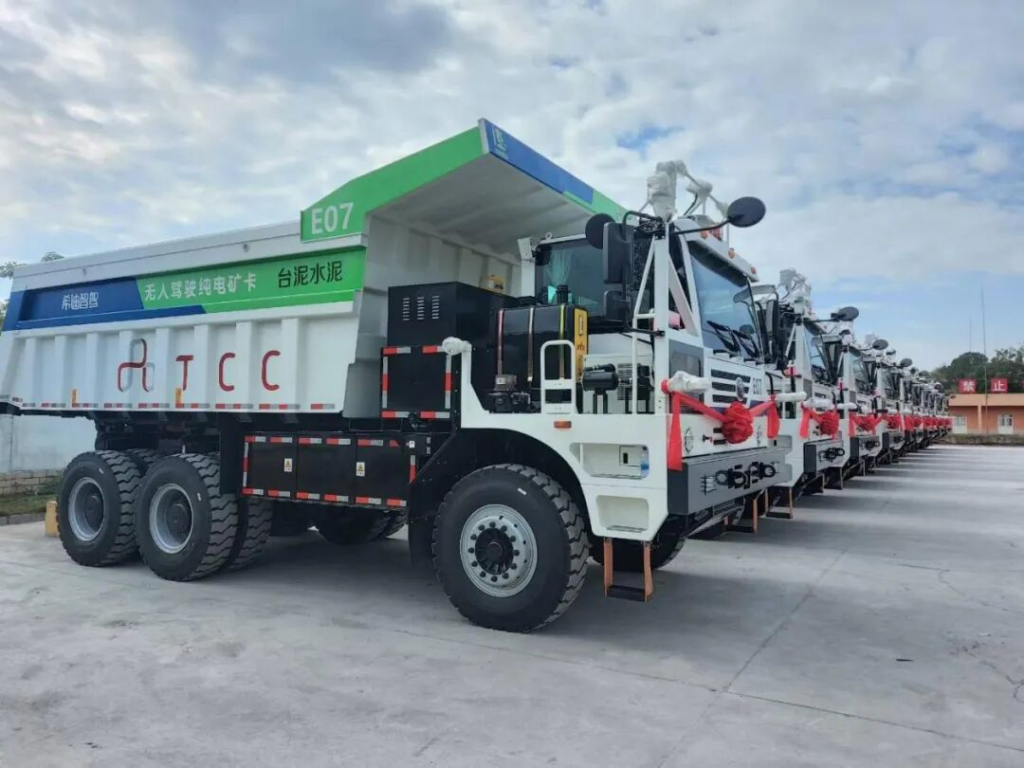
In 2025, the company achieved total revenue of 779 million yuan, representing a 22.66% year-on-year increase, primarily driven by a surge in sales of electric wide-body dump trucks, which accounted for 78.5% of total revenue. Gross profit reached 86.174 million yuan, up 133.92% year-on-year, with gross margin rising from 5.83% to 11.06%, reflecting optimized product structure and scaled operational efficiency. Net profit attributable to shareholders decreased by 319 million yuan, marking a 16.06% reduction in losses compared to the previous year.
In the autonomous driving business segment, unmanned equipment sales revenue accounts for over 11% of total revenue, spanning three operational models: equipment sales, technical services, and line-controlled chassis systems, with technical barriers gradually taking shape.

MINIEYE: L4 autonomous vehicle business generated annual revenue of 65 million yuan
In 2025, the company achieved annual revenue of 759 million yuan, representing a 16% year-on-year growth, primarily driven by smart cockpit solutions and L4 autonomous vehicle business. The gross margin increased by 2.6 percentage points to 18.6%, reflecting optimized product structure and the emergence of economies of scale.
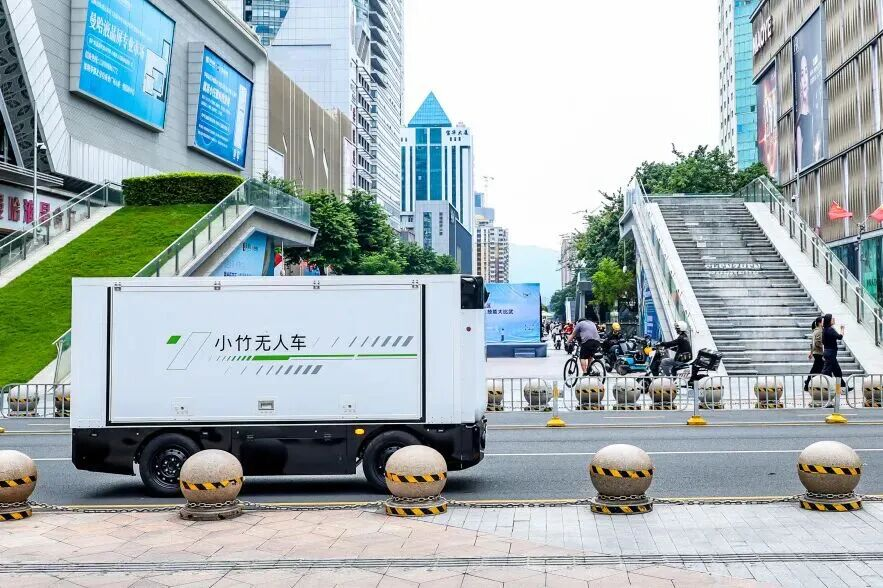
The financial report indicates that L4 autonomous vehicle operations generated annual revenue of 65 million yuan during the reporting period, accounting for 8.6% of total revenue, with a 450% sequential growth in the second half. The “Bamboo” Robovans have been deployed in 18 cities, with over 6,000 units in partnership across courier and cold chain logistics sectors. Global expansion has accelerated, including 12 new overseas projects covering markets such as the EU and Middle East. Bamboo Robovans have entered Saudi Arabia, with plans to deploy 1,000 units by 2030.
ZDENERGY: Charging robot business revenue surges by approximately 88.83%
In 2025, ZDENERGY’s total revenue reached approximately 716.5 million yuan, representing a 20.7% increase from the previous year’s 593.4 million yuan. The annual gross profit amounted to 108.9 million yuan, up 23.0% year-on-year, while the gross margin improved by 0.3 percentage points to around 15.2%. This profit growth was primarily driven by higher sales volumes of high-margin overseas products and robotics solutions.
In 2025, the company accelerated the deployment of electric vehicle charging robots, successfully implementing them across multiple scenarios including automobile manufacturers, autonomous driving companies, energy firms, specialized vehicle manufacturers, and public infrastructure operators. Revenue in this segment saw a significant year-on-year growth of approximately 88.83%.

WeRide: Its core business Robotaxi generated annual revenue of 150 million yuan.
In 2025, WeRide achieved total revenue of 690 million yuan, marking a 90% year-on-year surge and setting a new historical record. The fourth quarter alone generated 314 million yuan in revenue, representing a staggering 123% growth. Its core business, Robotaxi, emerged as the primary growth driver, with annual revenue reaching 150 million yuan—a 209.6% year-on-year increase—while fourth-quarter earnings hit 50.6 million yuan, up 66.4% from the previous year. Domestic registered users saw a quarterly growth exceeding 900% compared to the same period last year. On the profitability front, the company maintained a 30% gross margin and gross profit of 210 million yuan, reflecting an 86.8% year-on-year increase, with net losses narrowing by 34.2% year-on-year.
The financial report indicates that in 2025, revenue from its autonomous minibus business grew by approximately 190% year-on-year, while unmanned sanitation vehicle revenue increased by about 73.7%. As of the end of 2025, the company’s global autonomous vehicle fleet reached 2,113 units, including 1,125 Robotaxi vehicles, with plans to deploy 2,600 Robotaxi units worldwide by the end of 2026.

Pony.ai: Robotaxi revenue surges 129% year-on-year
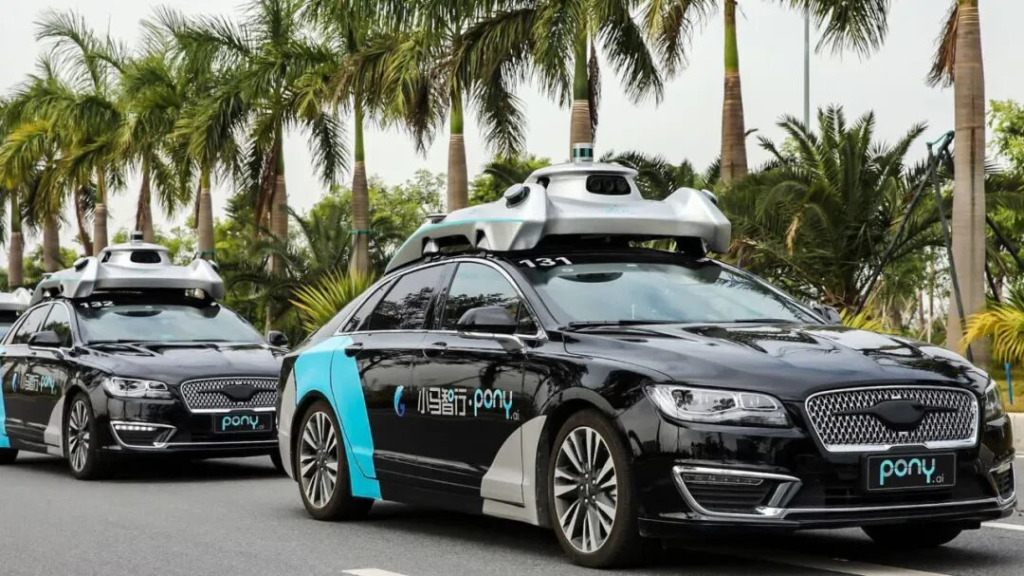
The financial report reveals that Pony.ai’s total annual revenue reached 629 million yuan, marking a 20% year-on-year increase. Its core robotaxi business generated 116 million yuan in revenue, surging 129% year-on-year, with passenger fares skyrocketing nearly 400%. In the fourth quarter alone, robotaxi operations brought in 46.6 million yuan, up 160% year-on-year, while passenger fare revenue surged over 500%. Registered users surpassed one million—nearly triple the figure from the same period last year—while paid orders saw significant growth. Notably, Shenzhen’s paid order volume during January-February 2026 already exceeded the total for the entire year of 2025.
Currently, its robotaxi fleet exceeds 1,400 vehicles, with plans to expand to over 3,000 by the end of 2026. The fleet will be deployed in more than 20 cities worldwide, adopting a “co-construction fleet model” to reduce capital expenditures. As of the end of 2025, total cash equivalents and short-term investments reached 10.593 billion yuan (approximately $1.5 billion), providing financial security for expansion.
iMotion: Successfully Enters the New Tracks of Unmanned Logistics Vehicles and Intelligent Heavy Trucks
In 2025, iMotion reported annual revenue of 1.001 billion yuan, marking a 19.81% year-on-year decline. Gross profit plummeted to 15.24 million yuan, a sharp drop of 83.22% compared to the previous year, with gross margin significantly shrinking to 1.52%. Shareholders incurred a loss attributable to shareholders of 416 million yuan, representing a 44.17% year-on-year increase, translating to an average loss of 1.7 yuan per share.
The financial report reveals that revenue from self-developed IDC series domain controllers surged 108.67% year-on-year, while smart front-view cameras saw a 147.73% revenue growth. The company secured 37 designated projects throughout the year, successfully entering the unmanned logistics vehicle and intelligent heavy truck sectors, with the iDC700 winning top-tier project contracts. Last year, the company invested 323 million yuan in R&D, achieved mass production of the iDC500, and continued implementing end-to-end solutions and VLA large model technologies.

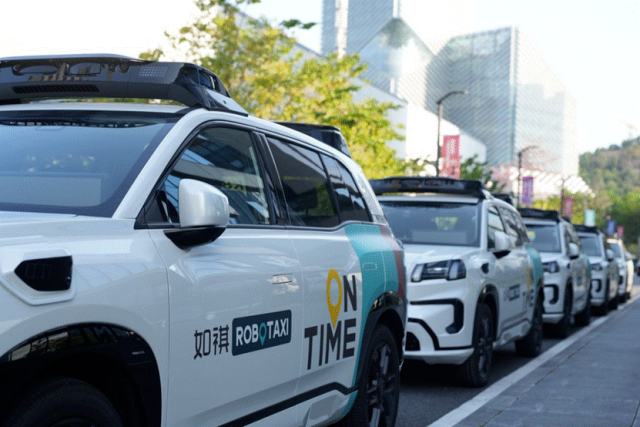
ON TIME: Robotaxi Service Revenue Shows Significant Growth Rate
In fiscal year 2025, ON TIME achieved total revenue of 5.286 billion yuan, marking a significant year-on-year increase of 114.6%. The company’s revenue structure has also evolved, with technical services generating 160 million yuan in revenue during the year—representing a staggering 487.4% year-on-year growth—while traditional mobility services remained stable. According to the financial report, the “Other Income” category under “Mobility Services” includes Robotaxi services and marketing promotion services, which saw a remarkable 182.64% year-on-year revenue growth in 2025.
Additionally, on March 19, the company announced that over 100 new Robotaxi vehicles had been delivered by Pony.ai to join ON TIME’s Robotaxi fleet, which will launch a hybrid commercial operation model combining human-driven ride-hailing services with Robotaxi services in Guangzhou. Following the addition of this new fleet, the total number of Robotaxi vehicles operated by ON TIME has significantly expanded to approximately 600 units.
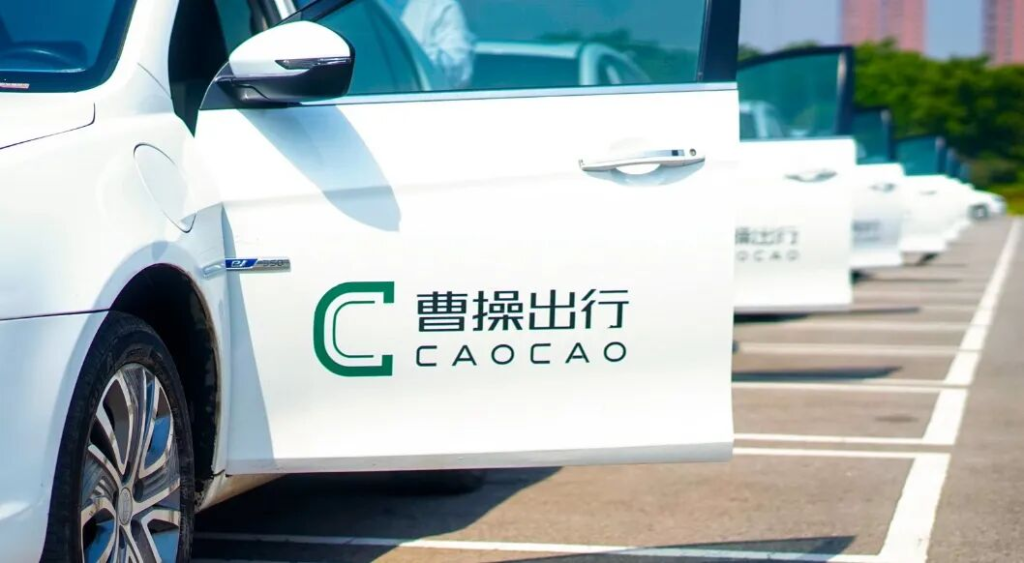
CaoCao: Robotaxi Transformation Accelerates Across the Board
During the reporting period, the company achieved revenue of 20.2 billion yuan, representing a 38% year-on-year increase. Its profitability demonstrated significant improvement, with gross margin rising from 8.1% in the same period of 2024 to 9.4%, an increase of 1.3 percentage points. Notably, the company recorded its first positive adjusted net profit in the fourth quarter of 2025.
The announcement revealed that the company has significantly accelerated its Robotaxi transformation, deploying over 100 autonomous vehicles and launching a full-stack 2.0 solution. It aims to deploy a cumulative total of 100,000 vehicles by 2030 while advancing infrastructure projects such as Hangzhou’s’ Green Intelligent Traffic Island.’
Hesai: The first company in the LiDAR industry to achieve full-year GAAP profitability.
In 2025, Hesai achieved annual revenue of 3.03 billion yuan, marking a 45.8% year-on-year growth and setting a new historical record. The company’s fourth-quarter revenue exceeded 1 billion yuan, achieving significant year-on-year growth for seven consecutive quarters. Notably, Hesai became the first company in the LiDAR industry to report full-year GAAP profitability, with annual GAAP net profit reaching 440 million yuan and Non-GAAP net profit hitting 550 million yuan.
The financial report reveals that Hesai’s annual LiDAR delivery volume tripled year-on-year to over 1.6 million units in 2025, with shipments projected to double to 3-3.5 million units in 2026, demonstrating sustained expansion of mass production capabilities. In robotics, Hesai has achieved multiple breakthroughs, securing the top market share across all major robot sub-sectors.

RoboSense: Robotics Business Becomes Core Profit Driver
In 2025, RoboSense achieved annual revenue of 1.941 billion yuan, representing a year-on-year increase of 17.72%, with a net loss of 145 million yuan, a year-on-year decrease of 69.72%. The fourth quarter alone recorded revenue of 751 million yuan and net profit of 104 million yuan, marking the first quarterly profit for the company.
The financial report revealed that total LiDAR sales reached approximately 912,000 units for the year, marking a 67.6% year-on-year increase. Specifically, ADAS applications accounted for 609,000 units sold, while robotics and related sectors contributed 303,000 units, with the robotics segment experiencing an explosive 1,141.8% year-on-year sales growth. The consolidated gross margin rose to 26.5%, representing a 9.3 percentage point improvement compared to 2024 levels. The ADAS business maintained a gross margin of 19.1%, while the robotics segment achieved a margin of 39.7%, solidifying their position as key profit drivers.

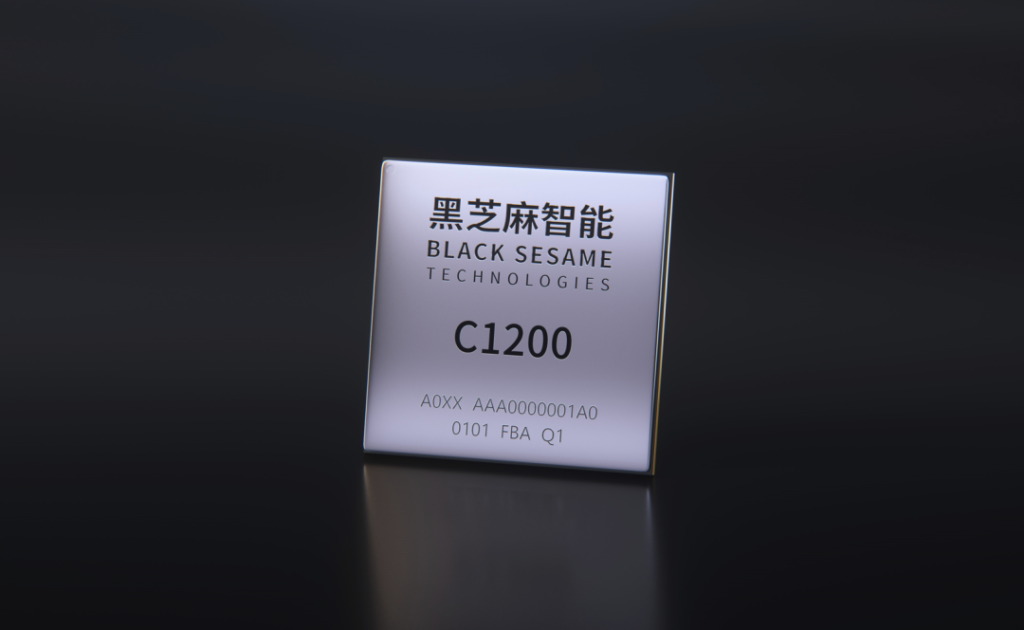
Black Sesame Technologies: Achieves Batch Shipping in L4 Scenarios Such as Unmanned Logistics
During the reporting period, the company achieved operating revenue of 822 million yuan in 2025, marking a 73.4% year-on-year increase and setting a new historical record. Gross profit rose from 195 million yuan to 337 million yuan, while the adjusted net loss narrowed by 17.5% compared to the previous year. The operating loss also showed a year-on-year reduction, and net cash flow from operating activities decreased from 1.19 billion yuan to 985 million yuan.
The financial report revealed that the assisted driving products and solutions division generated annual revenue of 686.9 million yuan, marking a 56.8% year-on-year increase and accounting for approximately 83.5% of total revenue, with gross margins remaining stable at 37.4% as in 2024. Black Sesame Technologies attributed the growth to three key drivers: first, the launch of new models equipped with Huashan-series chips, which demonstrated strong sales performance; second, significant growth in both the number of L2-L3 commercial vehicle clients and average order value; and third, successful batch deliveries in L4 scenarios such as unmanned logistics.
Horizon Robotics: Automotive-grade chip shipments exceed 4 million units
In 2025, Horizon Robotics achieved total revenue of 3.76 billion yuan, marking a 57.7% year-on-year growth. Automotive solutions accounted for 94.6% of the revenue, solidifying their position as the core business pillar. The shipment volume of automotive-grade chips surpassed 4 million units, representing a 38.8% increase year-on-year, while mid-to-high-end intelligent driving chips saw a nearly fivefold surge in shipments, accounting for 45% of total shipments. This performance drove an average selling price (ASP) increase of over 75%, achieving simultaneous growth in both volume and pricing.
The financial report revealed an adjusted operating loss of 2.37 billion yuan for the full year, marking a 58.7% year-on-year increase. R&D investment reached 5.15 billion yuan, up 63.3% year-on-year, primarily allocated to next-generation chip development, algorithm optimization, and cockpit-instrument integration technology deployment. Gross margin declined from 77.3% in 2024 to 64.5%, driven by a 43.2% rise in product solution revenue (gross margin: 34.5%), which fell short of the 94.5% margin from licensing and services operations.

Conclusion:
The financial reports of these companies clearly demonstrate that the industry remains in an expansionary phase, with significant growth in revenue scale, application scenarios, and order volume, reflecting a steady development trend.
Upstream hardware manufacturers such as LiDAR and chip producers have taken the lead in achieving profitability, laying a solid foundation for cost reduction and efficiency improvement across the entire industrial chain. Leading automotive manufacturers continue to consolidate their technological barriers and operational advantages, with increasingly clear commercialization pathways. The sector’s popularity and implementation progress are showing dual improvements, and its long-term growth potential remains highly promising.
It is evident that deepening vertical market penetration, prioritizing effective R&D, and accelerating global expansion have become the shared strategy among industry leaders.
However, the industry continues to face significant profit pressures. Most companies remain in a phase of high investment and low returns, with persistent losses and cash flow constraints that have not been fundamentally alleviated. As homogenized competition intensifies, profit realization cycles are becoming increasingly prolonged. Enterprises lacking self-sustaining capabilities and overly reliant on external financing may encounter greater survival challenges during the impending industry consolidation.
In summary, growth is reflected in the ledger, while profitability is discerned beneath it.